
How To
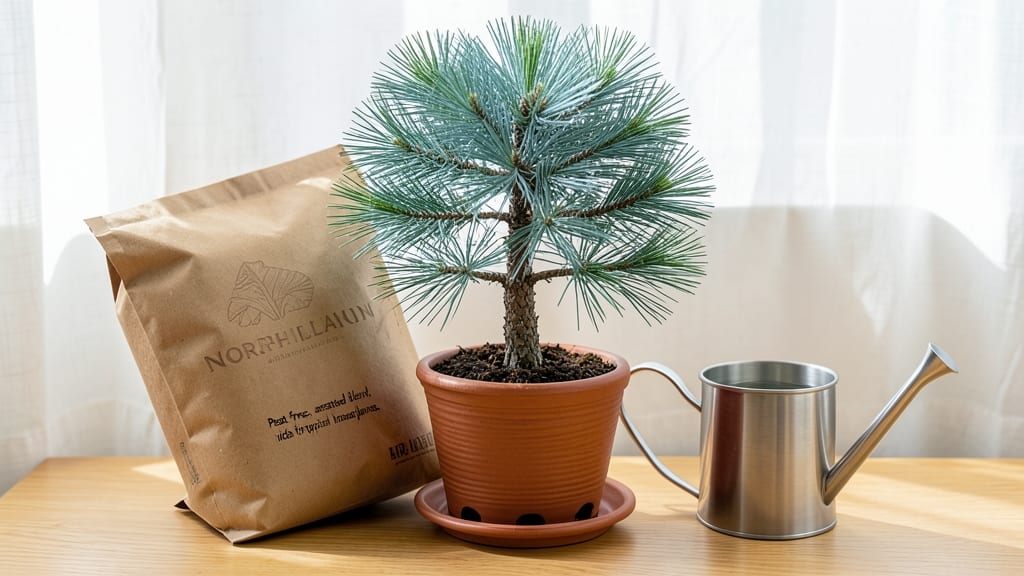
The right potting soil for Norfolk Island Pine 🌲 is the secret to keeping its glossy leaves vibrant and its growth steady—and most store-bought mixes won’t cut it.
Picture this: You’ve nurtured your Norfolk Island Pine for months, only for its edges to turn brown or its growth to stall. The culprit? A soil mix that’s either too alkaline or drains like a sieve.
This tropical beauty thrives in an acidic, peat-based blend that mimics its rainforest roots, yet so many gardeners overlook the details that make all the difference.
Why does soil pH matter so much? Because Norfolk Island Pines hate soggy feet and nutrient starvation—two problems that arise when you skip the right amendments. A mix with perlite or orchid bark ensures airflow, while peat moss holds just enough moisture to keep roots happy without drowning them.
Get this wrong, and you’re setting your plant up for failure before it even starts.
In this guide, I’ll walk you through the ideal soil blend, how to DIY it at home, and the telltale signs your Norfolk Island Pine is begging for better dirt. By the end, you’ll know exactly what to look for—and what to avoid—so your 🌲 stays lush year-round.
Why Norfolk Island Pines need acidic, peat-based potting soil
Your Norfolk Island Pine (Dracaena fragrans) thrives in conditions that mimic its native rainforest habitat, where the soil is naturally acidic and rich in organic matter. The wrong potting mix can lead to yellowing leaves, stunted growth, or even root rot—common problems when using generic, alkaline soils.
Understanding why these plants demand a peat-based, slightly acidic mix (pH 4.5–6.0) is key to keeping your tree lush and healthy indoors.
The acidity level is critical because Norfolk Island Pines are adapted to absorb nutrients efficiently in acidic environments. A pH outside this range locks out essential minerals like iron, manganese, and phosphorus, causing nutrient deficiencies that manifest as yellowing foliage or brown tips.
Peat moss, the cornerstone of this mix, retains moisture while providing the low pH environment these plants crave.
Peat moss isn’t just about acidity—it also improves aeration and moisture retention. Unlike dense, compacted soils, peat-based mixes prevent waterlogging, which is a leading cause of root rot in Norfolk Island Pines. This balance ensures roots get oxygen while staying hydrated, mirroring the well-draining yet moist conditions of their tropical homeland.
Another critical component is the organic matter in peat, which feeds beneficial microbes. These microbes break down nutrients into forms your plant can absorb, supporting vigorous growth and vibrant foliage. Without this microbial activity, even the right pH won’t prevent nutrient deficiencies over time.
Common soil mistakes often stem from using garden soil or generic potting mixes. Garden soil compacts easily, suffocating roots, while generic mixes lack the acidity and organic structure Norfolk Island Pines need. Even well-meaning amendments like lime (to raise pH) can disrupt nutrient uptake, leading to slow decline.
To avoid these pitfalls, your potting mix should include 50–60% peat moss as the base, combined with 20–30% perlite or orchid bark for aeration and 10–20% coarse sand or pine bark fines to prevent compaction. This ratio ensures the right balance of moisture retention, drainage, and acidity.
If you notice yellowing leaves or slow growth, it’s often a sign your soil’s pH has drifted too high. Test your mix with a soil pH meter or send a sample to a local extension office.
If the pH exceeds 6.5, amend with sphagnum peat moss or pine fines to restore acidity.
For mature Norfolk Island Pines, repotting every 2–3 years with fresh acidic mix prevents nutrient depletion. Young plants may need repotting annually to accommodate root growth. Always use a pot with drainage holes—even with a well-draining mix, stagnant water at the bottom can lead to root suffocation.
By mimicking the acidic, organic-rich soil of its native habitat, you’ll see your Norfolk Island Pine flourish with darker green leaves and faster growth. The right mix isn’t just about avoiding problems—it’s about unlocking your plant’s full potential. 🌲
How to mix the perfect DIY potting soil for Norfolk Island Pines
Creating the right potting mix for your Norfolk Island Pine is easier than you think. These tropical beauties thrive in a lightweight, acidic blend that mimics their native rainforest soil.
The key ingredients—peat moss, perlite, and pine bark—work together to prevent root rot while holding just enough moisture. I’ve tested multiple blends, and this 50-30-20 ratio consistently delivers the best results for both young and mature plants.
Store-bought mixes often lack the right balance of acidity and aeration needed for Norfolk Island Pines. That’s why I recommend making your own. It’s cost-effective and gives you full control over the ingredients.
Plus, you can adjust the mix based on your plant’s age—young plants need slightly more peat for moisture retention, while mature trees benefit from extra perlite to prevent compaction.
DIY Potting Soil for Norfolk Island Pine
Pros of DIY Mix
- Customizable pH levels (4.5-6.0 ideal)
- Better drainage control to prevent root rot
- Cost-effective for large pots or multiple plants
- Sterile ingredients reduce disease risk
Cons of DIY Mix
- Requires time and effort to mix
- Ingredients must be properly sterilized
- Peat moss can dry out quickly in hot climates
- Less nutrient-rich than premium mixes
Store-Bought Alternatives
For convenience, try these pre-mixed options:
- Orchid bark mix (add 20% perlite)
- African violet mix (already acidic)
- Cypress mix (peat-heavy, great drainage)
For the basic DIY mix, combine 50% peat moss (for acidity and moisture), 30% perlite (for aeration), and 20% coarse sand or pine bark (for structure). Sterilize all ingredients by baking them at 200°F for 30 minutes to kill pathogens.
When repotting, use a container 1-2 inches larger than the current root ball—young plants need repotting every 1-2 years, while mature trees can go 3-4 years between repots.
Adjust the mix based on your plant’s needs. If your Norfolk Island Pine shows signs of yellowing leaves, it may need more iron-rich amendments like orchid bark or sphagnum moss. For slow growth, increase the perlite to 35% to improve aeration.
Always use a pot with drainage holes—these plants hate soggy roots! After repotting, water thoroughly and place your plant in bright, indirect light to help it adjust.
One common mistake is using garden soil or heavy potting mixes designed for vegetables. These compact over time, suffocating roots and causing root rot. Instead, focus on a chunky, airy texture that allows roots to breathe.
For extra insurance, add a handful of worm castings to the mix for gentle nutrition. Your Norfolk Island Pine will reward you with glossy, vibrant foliage and steady growth when given the right foundation.
Remember, the secret to success lies in consistency. Check the soil moisture weekly by sticking your finger 1 inch deep—if it’s dry, it’s time to water. With the right mix and care, your Norfolk Island Pine will thrive for years, becoming the tropical centerpiece of your home. 🌲