
Pests
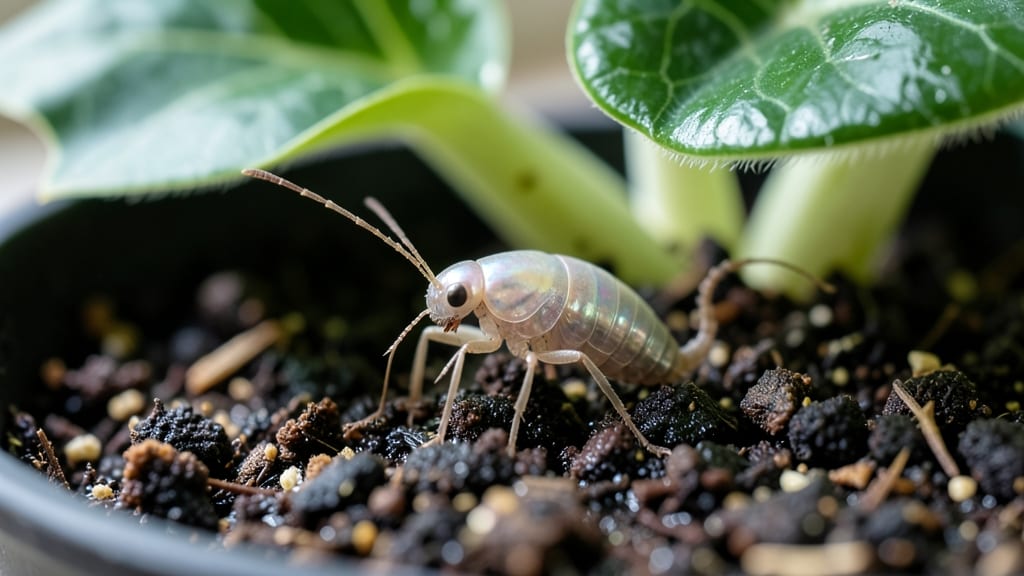
Finding tiny bugs wriggling in your potted plant soil is every gardener’s worst nightmare—especially when your thriving ferns suddenly look like they’re being eaten alive. 🌱 I’ve pulled apart more infested pots than I’d like to admit, and the key to saving your plants starts with knowing exactly what’s chewing on their roots.
Fungus gnats, root maggots, or soil mites? Each one needs a different approach, and acting fast means the difference between a recovered plant and a lost pot.
The problem usually starts with overwatering or poor drainage, creating the perfect damp buffet for these pests. You’ll spot fungus gnats as tiny black flies hovering near soil, while root maggots leave behind chewed roots that look like Swiss cheese.
Soil mites, on the other hand, are nearly invisible but cause stunted growth and yellowing leaves. The good news? Most of these can be eliminated in 7-14 days with the right steps—no harsh chemicals required.
Here’s the game-changer: a mix of yellow sticky traps for gnats, a top-dressing of sand or diatomaceous earth for maggots, and beneficial nematodes for mites. These methods work because they target the pests’ life cycles without harming your plants.
Once you’ve identified the culprit, you’ll see improvement within a week—just keep an eye on moisture levels to prevent a repeat invasion.
For stubborn cases or large collections, professional help might be worth the investment. But for most of us, a little detective work and these natural fixes will have your potted plants looking lush and pest-free in no time.
The secret? Catching it early before the bugs throw a full-blown party in your soil.
Common Causes Of Soil Pests
Unwanted critters in your potted plants’ soil aren’t just random—there’s usually a reason they’ve moved in. Understanding these triggers helps you prevent future infestations and tackle the problem at its source. Let’s break down the most common culprits and why they turn your soil into their home.
---
Soil that’s too dense, nutrient-poor, or perpetually soggy creates the perfect breeding ground for pests. Here’s why:
- Compacted or Low-Quality Soil: Bugs like fungus gnats, springtails, and even nematodes thrive in soil that lacks aeration.
When soil is tightly packed (often from repurposing garden soil or using cheap potting mixes), it traps moisture and organic matter—buffet-style for pests. - Overwatering: Most soil-dwelling pests need moisture to survive.
If your plant’s soil stays damp for days (or worse, sits in water), you’re signaling to pests: “All-you-can-eat zone open!” Fungus gnats, for example, lay eggs in moist soil, and their larvae feast on decaying organic matter. - Lack of Drainage: Pots without drainage holes or soil that doesn’t dry out between waterings create anaerobic (oxygen-poor) conditions.
This stresses plants and attracts pests like root maggots or shore flies.
Pro Tip: 💡 Use a well-draining potting mix (like a blend of peat, perlite, and compost) and water only when the top inch of soil feels dry. Elevate pots to improve airflow!
---
Pests are opportunistic scavengers, and decaying plant material is like a five-star restaurant to them. Common offenders include:
- Old or Dead Roots: If your plant has been root-bound or you’ve recently repotted, old roots left in the soil decompose, attracting fungus gnats and other larvae. - Over-Fertilization: Too much organic fertilizer (like compost tea or fish emulsion) provides an excess of nitrogen, which speeds up decomposition—and pests love the resulting “rotting buffet.” - Leaf Litter & Mulch: Piles of fallen leaves, spent mulch, or even old plant clippings in the soil can harbor eggs or adult pests waiting to hatch.
Action Step: ✨ Before repotting, remove all old soil and trim dead roots. Replace mulch annually and avoid piling organic matter directly on the soil surface.
---
Healthy plants naturally deter pests with strong roots and resilient foliage. When plants are stressed, they become easy targets:
- Underwatering or Drought Stress: While overwatering attracts pests, too little water weakens plants, making them vulnerable to root-feeding insects like mealybugs or scale. - Nutrient Deficiencies: Plants lacking nitrogen, phosphorus, or potassium struggle to grow strong root systems.
Weak roots are easier for pests like nematodes to invade. - Disease or Damage: Plants already battling fungal infections (like powdery mildew) or physical damage (like broken stems) are more attractive to pests seeking easy meals.
Quick Fix: 🌡️ Monitor your plant’s moisture levels and fertilize with a balanced, slow-release formula (like 10-10-10) every 6–8 weeks to keep it robust.
--- Pests can hitchhike into your home on unsuspecting carriers:
- Dirty Gardening Tools: Shovels, trowels, or even your hands can transfer eggs or larvae from infested soil to your potted plants. - Infested Potting Mix: Cheap or reused soil from garden centers, outdoor beds, or even “sterile” mixes can contain dormant pest eggs. - New Plants: Bringing home a beautiful fern or succulent might also bring hidden guests.
Many pests (like spider mites or thrips) hide in the soil or foliage of nursery plants.
Prevention Tip: 🔥 Sterilize tools with rubbing alcohol, quarantine new plants for 2 weeks, and always use fresh, sterile potting mix for repotting.
--- Pests don’t just appear—they’re drawn by specific conditions:
- High Humidity: Many soil pests (like slugs or pill bugs) thrive in damp, humid environments. Greenhouses, bathrooms, or kitchens with poor ventilation are prime targets. - Warmth: Most pests are cold-blooded and become active in temperatures above 60°F (15°C).
Indoor heat (especially near radiators or sunny windows) speeds up their life cycles. - Lack of Predators: Outdoor soil has natural predators (like ground beetles or nematodes), but potted plants lack this balance. Without checks, pests multiply unchecked.
Solution: ⏰ Use a small fan to improve airflow around potted plants and avoid placing them in consistently humid or overly warm spots.
Quick Fixes for Common Soil Pests
Unwanted critters in your potted plants can feel like a nightmare, but don’t panic—most soil pests have simple, effective solutions. Below, we’ve mapped the most common culprits to practical fixes, so you can restore your plants to health without stress.
Each remedy is designed to be fast, chemical-free (or low-chemical), and easy to implement, whether you’re a beginner or a seasoned gardener.
---
Cause: Overwatering, moist soil, or decaying organic matter attracts these delicate-winged pests. Fix: 🔥 Drown Their Larvae – Pour a thin layer of hot water (not boiling) over the soil surface to kill larvae. Repeat weekly if needed. 🍳 DIY Yellow Trap – Fill a small container with apple cider vinegar + a drop of dish soap, place it near the plant, and cover with yellow paper (fungus gnats are drawn to yellow). They’ll drown, and you’ll see fewer flies in days. 👨🍳 Adjust Watering – Let the top 1–2 inches of soil dry out between waterings. Use pots with drainage holes to prevent soggy conditions. 🌡️ Prevention Tip: Sprinkle a thin layer of sand or perlite on top of the soil to deter egg-laying.
---
Cause: High humidity, decaying plant matter, or over-fertilized soil. Fix: 🔪 Reduce Moisture – Let the soil dry out more between waterings. Avoid misting leaves excessively. 📊 Neem Oil Spray – Mix 1 tsp neem oil + 1 tsp mild soap in 1 quart of water, spray the soil (avoid over-saturating), and repeat every 3–5 days until gone. ✨ Beneficial Nematodes – Apply Steinernema feltiae (a natural predator) to the soil. These microscopic worms hunt springtail larvae without harming plants. 🎯 Prevention Tip: Use coconut coir or peat moss instead of fresh compost, as springtails thrive in overly rich organic matter.
---
Cause: Microscopic worms that burrow into roots, causing stunted growth and yellowing leaves. Fix: 🌱 Replace Infested Soil – If nematodes are severe, repot the plant into fresh, sterile potting mix (avoid garden soil). 💪 Marigold Companion Planting – Grow French marigolds nearby—they release natural compounds that repel nematodes. 🥗 DIY Chili Pepper Spray – Blend 1 chili pepper + 1 liter of water, strain, and spray the soil. The capsaicin disrupts nematode feeding. 🔥 Solarization (For Outdoor Pots) – Place pots in direct sunlight for 4–6 weeks (covered with clear plastic) to bake out nematodes.
--- Cause: Dry conditions or other pests (like fungus gnats) attracting spider predators. Fix: 🕸️ Increase Humidity – Group plants together or use a humidifier near them.
Spiders prefer dry environments. 🌡️ Blast Off with Water – Use a gentle stream of water to dislodge spiders and webs from soil crevices. 🎯 Prevention Tip: Introduce ladybugs or lacewings—they eat mites and keep spider populations in check.
--- Cause: Grubs from beetles that burrow into roots, eating them from the inside out. Fix: 🔪 Bait Trap with Potatoes – Bury raw potato slices near the roots.
Wireworms will crawl in—dig them up and dispose of them. 🍳 Diatomaceous Earth (DE) – Sprinkle food-grade DE lightly on the soil surface.
It dehydrates wireworm larvae (reapply after watering). ⏰ Crop Rotation – If repotting, use sterile potting mix and avoid planting susceptible plants (like tomatoes or corn) in the same spot.
--- - Inspect New Plants – Quarantine new potted plants for 2–4 weeks before introducing them to others. - Use Sterile Potting Mix – Avoid garden soil; opt for bagged mixes labeled "sterile" or "pest-free." - Rotate Your Pots – Move pots occasionally to disrupt pest life cycles (many bugs rely on consistent conditions). - Healthy Plants = Fewer Pests – Overwatered or nutrient-deficient plants attract more bugs. Fertilize lightly and prune dead leaves regularly.
--- Final Note: Most soil pests are a sign of environmental stress (like overwatering or poor drainage). By fixing the root cause, you’ll not only eliminate the bugs but also strengthen your plants’ resilience for the future. 🌱✨
Frequently asked questions
Are those tiny black specks in my soil actually bugs?
Yes! Those specks are likely springtails or fungus gnat larvae, both common soil pests. Springtails look like tiny black fleas with tails, while fungus gnat larvae resemble white maggots. Neither is harmful to humans, but they can damage plant roots if left unchecked.
How do I know if my plant has root damage from soil bugs?
Check for yellowing leaves, stunted growth, or roots that look chewed or mushy when you repot. If you see tiny holes or brown spots on roots, it’s likely pest activity. For fungus gnats, you might also spot adult flies hovering near the soil surface.
Can I use coffee grounds to get rid of soil pests?
Coffee grounds can help, but they’re not a complete solution. Sprinkle a thin layer on top of moist soil—it repels some pests and adds nutrients. However, for severe infestations, combine it with other methods like yellow sticky traps for gnats or neem oil for larvae.
Will my other potted plants get infected if I don’t treat this one?
Soil pests spread quickly through contaminated tools, water droplets, or even airborne larvae. Isolate the infested plant immediately, sterilize your tools with rubbing alcohol, and avoid watering nearby plants with the same container.
How often should I check my potted plants for soil bugs?
Inspect your plants every 2 weeks during growing seasons (spring-fall) and monthly in winter. Focus on the soil surface, drainage holes, and root zones. Early detection makes treatment much easier—most pests can be eliminated before they cause serious damage.