
How To
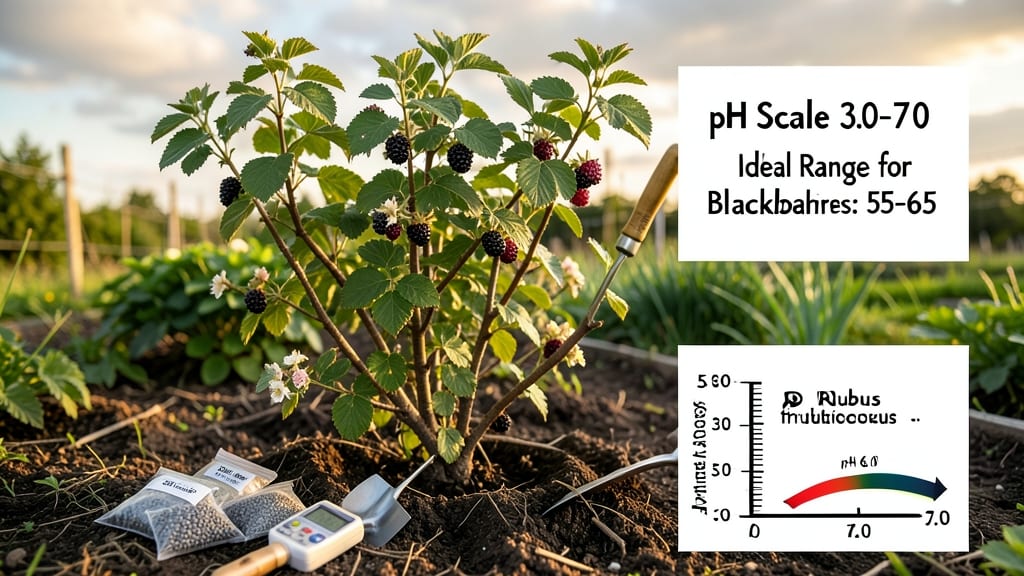
The ideal blackberry soil pH for juicy, bigger berries is between 5.0 and 6.5—too far from that range, and you’re basically asking for small, tart fruit instead of the sweet harvest you planted for.
Picture this: you’ve spent months nurturing your 🫐 bushes, only to watch them struggle with yellow leaves or stunted growth. The culprit? Soil that’s either too acidic or alkaline. Getting the pH right isn’t just about fixing problems—it’s about unlocking the full potential of your blackberries, from flavor to size.
Most gardeners don’t realize how quickly soil pH shifts, especially after rain or amendments. A simple test with a home pH kit (or even a DIY vinegar-and-baking-soda trick) can reveal whether your soil is starving your plants of essential nutrients like iron or manganese.
In this guide, I’ll walk you through testing your soil, the easiest ways to adjust pH (whether you need to lower or raise it), and how to keep those levels steady for years of bigger, sweeter berries—no guesswork required.
Optimal blackberry soil pH range: why acidic soil grows bigger berries
If your blackberry bushes are struggling to produce sweet, plump berries, your soil pH might be the culprit. Blackberries thrive in acidic soil, specifically within a pH range of 5.0 to 6.5.
When soil pH falls outside this range, nutrient uptake suffers, leading to smaller, tart berries or poor plant health. Understanding this balance is key to unlocking your blackberry bush’s full potential.
Soil pH directly impacts how your blackberries absorb essential nutrients like iron, manganese, and zinc. In acidic conditions (pH 5.0–6.5), these nutrients become more available, promoting lush foliage and bigger, sweeter berries.
But when pH drifts too high or too low, your plants can’t access these nutrients, resulting in yellow leaves, stunted growth, or even death.
Before diving into fixes, let’s clarify the ideal conditions. Blackberries prefer slightly acidic soil, where the pH balance allows roots to efficiently absorb water and nutrients.
If your soil is too alkaline (pH above 7.0), critical nutrients like iron become locked away, causing chlorosis (yellowing leaves) even when iron is present in the soil.
Here’s a quick breakdown of how soil pH affects your blackberries:
| pH Range | Nutrient Availability | Plant Response | Quick Fixes |
|---|---|---|---|
| 5.0–6.5 | High iron, manganese, zinc | Optimal growth, sweet berries | Maintain with compost |
| Below 5.0 | Toxic aluminum buildup | Stunted growth, leaf burn | Add lime (raise pH) |
| Above 6.5 | Low iron, manganese | Yellow leaves, small berries | Add sulfur (lower pH) |
Testing your soil’s pH is the first step to solving blackberry problems. You can use a DIY soil test kit (available at garden centers for under $10) or send a sample to a local extension office for professional analysis.
For quick results, dig a 6-inch hole near your blackberry bush, collect soil, and follow the kit instructions. Aim for a pH reading between 5.0 and 6.5 for best results.
If your soil is too alkaline (pH above 6.5), adding elemental sulfur or peat moss can lower the pH over time. Work 2–3 pounds of sulfur per 100 square feet into the top 6 inches of soil in early spring or fall.
For organic options, try pine needles or composted leaves, which naturally acidify soil as they break down.
On the flip side, if your soil is too acidic (below 5.0), you’ll need to raise the pH. Sprinkle garden lime (calcium carbonate) over the soil and water it in. Start with 5 pounds per 100 square feet and retest after a few months.
Avoid overdoing it—too much lime can make the soil too alkaline, creating a new set of problems.
Watch for visual signs of pH imbalance in your blackberries. Yellow leaves with green veins often signal iron deficiency due to high pH, while brown leaf edges or stunted growth may indicate over-acidification.
Regularly monitoring your soil and adjusting as needed ensures your blackberries stay healthy and productive throughout the growing season.
Remember, soil pH isn’t a one-time fix. It fluctuates naturally, especially after rain or when you amend the soil. Plan to retest your soil every 1–2 years and make adjustments as needed. With the right pH balance, you’ll enjoy bigger, sweeter blackberries and stronger, healthier plants.
How to adjust blackberry soil pH: step-by-step acidification guide
Blackberries thrive in acidic soil with a pH range of 5.0–6.5. If your soil test shows a higher pH, your plants may struggle to absorb essential micronutrients like iron and manganese, leading to poor fruit quality.
The good news? Adjusting your soil’s pH is simpler than you think—whether you need to lower pH for acid-loving berries or raise pH for nutrient balance, I’ve got you covered with science-backed methods.
For most gardeners, the challenge lies in choosing the right amendment without overdoing it. For example, elemental sulfur is a classic for acidification, but applying too much can harm beneficial soil microbes. Meanwhile, lime raises pH quickly but may require years to fully integrate into the soil.
Let’s break down the best approaches, including organic and synthetic options, so you can pick what works for your garden’s needs.
Adjusting Blackberry Soil pH: Quick Comparison
| Method | Pros | Cons | Best For |
|---|---|---|---|
| Elemental Sulfur | Slow-release, organic option; safe for microbes | Takes 2–4 months to work; requires reapplication | Long-term acidification |
| Aluminum Sulfate | Fast-acting (weeks, not months); effective for high-pH soils | Can cause aluminum toxicity; not organic | Quick fixes for alkaline soils |
| Peat Moss | Improves soil structure; organic matter boost | Temporary effect; depletes over time | Container gardens or raised beds |
| Lime (Calcium Carbonate) | Raises pH quickly; improves soil structure | Overapplication can lock out nutrients; slow to integrate | Soils with pH below 5.0 |
| Wood Ash | Free and natural; adds potassium | Highly alkaline; use sparingly | Small-scale pH adjustments |
To lower pH, start with elemental sulfur—it’s the gold standard for organic gardeners. For every 1 point you need to drop (e.g., from 7.0 to 6.0), apply 2–4 pounds per 100 sq ft.
Mix it into the top 6 inches of soil in early spring or fall for best results. If you’re in a hurry, aluminum sulfate works faster but requires caution: use 5–10 pounds per 100 sq ft for a 1-point drop, and water thoroughly afterward to prevent root burn.
For raising pH, pelletized lime is the safest bet.
Aim for 50 pounds per 100 sq ft to raise pH by 1 point, but test your soil first—over-limeing can make nutrients like iron unavailable. Wood ash is a free alternative, but use it sparingly (1–2 cups per plant) since it’s highly alkaline.
Always apply amendments in small batches and retest soil every 3–6 months to avoid overshooting.
Monitoring progress is key. Grab a DIY pH test kit (costs under $10) or send a sample to your local cooperative extension service for accurate results. Aim to keep your soil’s pH between 5.5–6.0 for blackberries—this range maximizes nutrient uptake and fruit sweetness.
Remember, organic matter like compost also helps buffer pH over time, so keep adding it annually to maintain balance.
Pro tip: If your blackberries are already planted, focus on the root zone (first 12 inches of soil). Amendments work best when mixed into moist soil, so water the area before applying.
For container-grown blackberries, use sphagnum peat moss or pine fines to acidify potting mix—just 10–20% by volume is enough to make a difference.