
How To
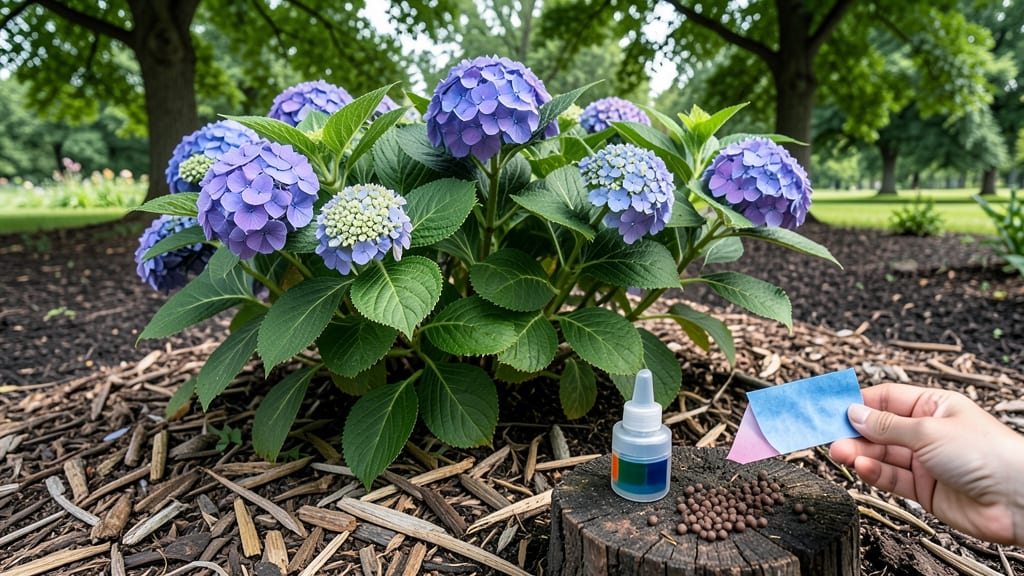
For acid soil hydrangeas, maintaining a pH between 5.0 and 6.0 ensures vibrant blue or purple blooms. Test your soil with a pH meter or kit, then use sulfur or peat moss to lower pH if needed—avoid lime or wood ash, which increase alkalinity.
Hydrangeas are famously finicky about soil chemistry, and their stunning colors depend entirely on pH levels. 🌸 When soil is too alkaline (above 7.0), aluminum becomes unavailable, preventing the production of blue pigments. Conversely, slightly acidic conditions unlock aluminum uptake, giving you those signature deep blues and purples.
I’ve seen gardeners struggle for years with pale pink blooms only to discover their soil was too neutral—once they adjusted the pH, the color transformation was dramatic. The key is patience: changes take time, so retest every few weeks until you hit that sweet spot between 5.0 and 6.0.
To lower pH naturally, try organic amendments like pine needles or coffee grounds—they’re slow-acting but safe for plants.
For faster results, elemental sulfur works well, though it requires careful application based on your soil’s current pH. 💫 Pro tip: If your hydrangeas are already established, focus on amending the root zone rather than the entire garden bed.
This targeted approach saves time and resources while still delivering the vibrant blooms you’re after.
💡 In This Article
- How Soil pH Affects Hydrangea Bloom Colors
- Step-by-Step Guide to Lowering Soil pH for Hydrangeas
How soil pH affects hydrangea bloom colors
The vibrant hues of hydrangea blooms—ranging from deep blues to soft pinks—are directly tied to soil chemistry, specifically pH levels and nutrient availability. At the heart of this color magic is aluminum: when soil pH drops below 6.0, aluminum becomes more soluble and accessible to hydrangea roots.
This metal acts as a natural pigment booster, enhancing the production of delphinidin, the anthocyanin responsible for blue and purple shades. In contrast, alkaline soils (above 7.0) lock out aluminum, forcing the plant to rely on phosphorus for pigmentation, which yields pink or red blooms.
Think of it like a chemistry experiment: the pH scale measures hydrogen ion concentration, and each level unlocks different nutrients.
For example, at pH 5.0-6.0, hydrangeas absorb optimal amounts of iron, manganese, and zinc—nutrients that support vibrant color production. 🔥 The visual shift is dramatic: I’ve seen hydrangeas go from pale lavender to rich cobalt blue within a single growing season after adjusting soil pH. This transformation happens because aluminum isn’t just a pigment enhancer; it also influences cell structure in the petals, creating denser, more saturated colors.
What most gardeners don’t realize is that soil pH isn’t static—it fluctuates with rainfall, compost additions, and even seasonal temperature changes. For instance, heavy rain can temporarily lower pH, while drought may concentrate alkaline minerals, pushing pH upward.
This is why consistent monitoring is key. A simple soil test kit (costing around $10-$20) reveals the current pH, while a deeper lab analysis (around $50) provides a full nutrient breakdown, including aluminum levels.
Color isn’t the only factor at play—soil structure matters too. Acidic soils (pH <6.0) tend to have more organic matter, which improves water retention and root health. This creates an ideal environment for hydrangeas to thrive, producing larger, more abundant blooms alongside their vibrant colors.
The contrast between a well-amended acidic bed and a neglected alkaline one is striking: the former bursts with color, while the latter often yields sparse, dull flowers.
For those aiming for specific shades, precision matters. To achieve deep blue blooms, target a pH of 5.0-5.5. For lighter blues or purples, aim for 5.6-6.0. The difference comes down to aluminum availability: at lower pH, more aluminum is present, intensifying the blue pigment.
This is why gardeners often experiment with small adjustments—shifting pH by just 0.2 units can produce noticeable color changes.
Visualize this: a hydrangea bush in pH 5.2 soil might produce blooms with deep violet centers fading to sky blue edges, while the same variety at pH 6.8 could yield soft pink flowers.
The science behind this lies in how pH alters the plant’s uptake of not just aluminum, but also calcium and magnesium—nutrients that influence overall plant health and pigment stability.