
Neem Oil
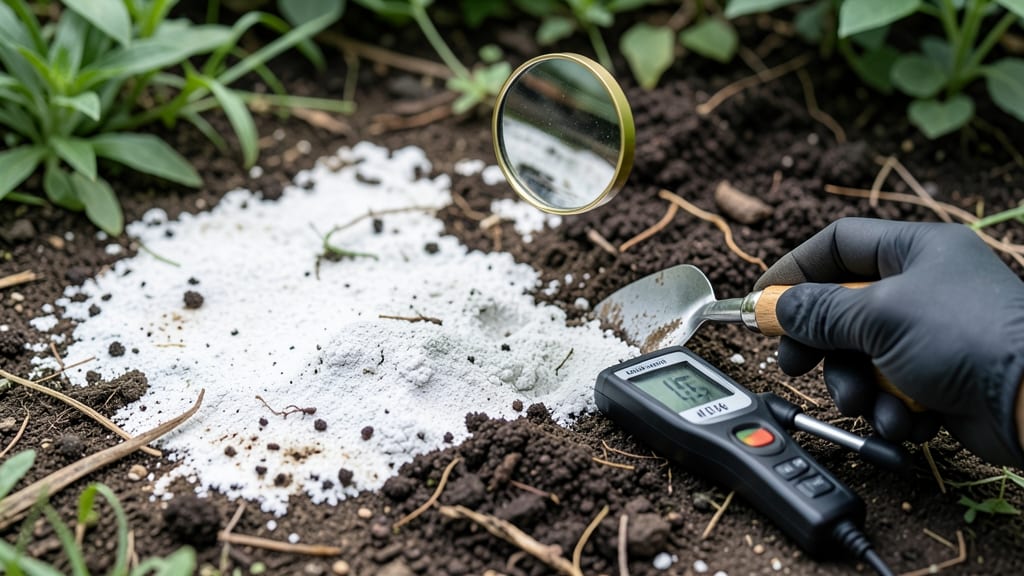
Your soil turned white overnight, and now you're staring at what looks like a ghostly invasion. 🌱 The culprit is often fungal spot or salt buildup—both of which can strangle plant roots if left unchecked.
I’ve battled this myself, and neem oil isn’t just a last resort; it’s the first line of defense when you spot that chalky, lifeless crust.
Most gardeners assume white soil means "dead zone," but the fix is simpler than you think. Start by testing your soil’s pH—if it’s too alkaline, that’s your salt buildup. For fungal spots, neem oil disrupts the cycle in 24-48 hours, and the best part?
It’s safe for plants and your veggies. Just mix it with water, spray the affected areas, and watch the white vanish.
You’ll see roots revive within a week, with fresh green growth pushing through the soil. The key is consistency—reapply neem oil every 7-10 days until the soil looks dark and crumbly again. Prevent future outbreaks by flushing the soil with rainwater or adjusting your watering schedule to avoid salt buildup.
When in doubt, dig deeper: if the white layer is thick or crunchy, it might be gypsum buildup, not fungus. That’s when you’ll need to amend the soil with compost. But for most cases? Neem oil works like magic—and your plants will thank you.
Why it happens
When your garden soil suddenly turns an eerie white, it’s rarely a harmless coincidence—it’s a red flag from nature signaling underlying issues. Understanding these triggers is the first step to restoring your soil’s health.
Below, we break down the most common causes, from microscopic invaders to environmental shifts, and explain why they turn your soil into a ghostly white canvas.
🍄 Fungal Overgrowth: The Silent Invader
Fungi like Fusarium, Rhizoctonia, or Powdery Mildew thrive in damp, nutrient-rich soil, forming white mycelial mats or powdery spores. These organisms break down organic matter but also compete with plants for resources, often leaving behind a chalky white residue.
- Why it happens: Fungi spread rapidly in cool, moist conditions (60–80°F) with poor airflow. Overwatering or dense mulch layers create the perfect breeding ground.
- Visual clues: Look for white fuzz on soil surfaces, wilted plants, or stunted growth. Some fungi emit a musty odor.
- Actionable fix: Improve drainage, reduce overhead watering, and apply neem oil (1–2 tbsp per gallon of water) to disrupt fungal cell membranes.
🧪 Salt or Chemical Buildup: The Invisible Poison
Excessive salts (from fertilizers, irrigation water, or hard water runoff) crystallize on soil particles, creating a white, crusty layer. Similarly, residual pesticides or herbicides can leave behind alkaline byproducts that alter soil pH and appearance.
- Why it happens:
- Over-fertilization (especially with synthetic salts like potassium chloride).
- Irrigation with high-sodium water (test with a soil conductivity meter).
- Improper disposal of household chemicals (e.g., bleach, drain cleaners).
- Visual clues: White crust on topsoil, plant leaves with brown tips (salt burn), or soil that repels water like a waxy shield.
- Actionable fix:
- Flush soil with rainwater or distilled water to leach salts.
- Amend with organic matter (compost, peat moss) to improve structure.
- Avoid synthetic fertilizers; opt for slow-release organic options.
🌡️ Extreme pH Shifts: The Alkaline Trap
Soil pH naturally fluctuates, but sudden spikes (especially to pH 8.0+) trigger mineral precipitation, like calcium carbonate (lime) or gypsum, which appear as white deposits. This often happens in arid climates or after liming to correct acidity.
- Why it happens:
- Over-liming (adding too much agricultural lime).
- Drought stress causing capillary rise of alkaline water.
- Parent material (e.g., limestone bedrock) leaching minerals upward.
- Visual clues: White powder on soil aggregates, yellowing leaves (iron deficiency), or hardpan formation.
- Actionable fix:
- Test pH with a home kit; aim for 6.0–7.0 for most plants.
- Add sulfur or pine needles to lower pH gradually.
- Mulch with acid-loving materials (e.g., oak leaves, pine bark).
🐛 Pest Activity: The Underground Chefs
Certain soil-dwelling pests, like mealybugs, scale insects, or fungus gnats, excrete honeydew—a sticky substance that hardens into white, waxy residue when combined with fungal growth. Termites or ants may also disturb soil, exposing underlying minerals that oxidize and turn white.
- Why it happens:
- High humidity + stagnant water (ideal for mealybug colonies).
- Over-fertilized soil attracting sap-sucking insects.
- Disturbed soil (e.g., from tilling) exposing calcium deposits.
- Visual clues: White cottony masses on roots/stems, sooty mold (black fungus on leaves), or tiny insects crawling in moist areas.
- Actionable fix:
- Spray neem oil or insecticidal soap to kill pests.
- Introduce beneficial nematodes (e.g., Steinernema spp.) to target larvae.
- Reduce irrigation and improve soil aeration.
💧 Water Logging: The Drowning Effect
When soil stays saturated for prolonged periods, oxygen is displaced, and anaerobic bacteria thrive. These microbes produce white, chalky byproducts (e.g., sulfur compounds or precipitated minerals) as they decompose organic matter under low-oxygen stress.
- Why it happens:
- Poor drainage (clay-heavy soil or compacted subsoil).
- Excessive irrigation or flooding.
- Lack of organic matter to improve water-holding capacity.
- Visual clues: Grayish-white soil with a rotten egg smell, root rot, or plants wilting despite "wet" conditions.
- Actionable fix:
- Amend soil with compost or coconut coir to improve porosity.
- Install French drains or raised beds if drainage is chronically poor.
- Adjust watering to deep, infrequent soakings (1–2 inches per week).
Quick Fixes for Bleached Soil
When your soil turns white—whether from fungal spots, salt buildup, or chemical reactions—restoring its health doesn’t have to be complicated. Below are targeted solutions based on the root cause, along with prevention tips to keep your soil vibrant and productive. Let’s get your garden back in shape!
If your soil’s white patches are caused by fungal growth, neem oil is your best ally. Here’s how to tackle it:
1️⃣ Apply Neem Oil Spray (The Natural Fungicide)
🔥 Step 1: Mix the Solution
- Combine 1 tablespoon of neem oil with 1 teaspoon of mild liquid soap (like Castile soap) and 1 quart of water.
- Stir well to create an emulsified mixture.
🍳 Step 2: Spray Affected Areas
- Use a spray bottle to apply the solution directly to the white patches and surrounding soil.
- Focus on leaves, stems, and soil surface if fungal spores are present.
👨🍳 Step 3: Reapply as Needed
- Spray every 7–10 days until the white spots disappear.
- For severe cases, repeat 2–3 times with a 5-day gap between applications.
✨ Pro Tip: Apply in the early morning or late evening to avoid sunburning plants.
2️⃣ Improve Soil Drainage & Airflow
Fungal spots thrive in damp, stagnant conditions. Fix this by:
- Aerating the soil with a garden fork to break up compacted areas.
- Adding organic matter (compost or coconut coir) to improve drainage.
- Pruning overcrowded plants to enhance airflow.
3️⃣ Boost Beneficial Microbes
💡 Use a microbial inoculant (like Trichoderma or Bacillus subtilis) to outcompete harmful fungi. 🌡️ Add compost tea (1:10 ratio) to reintroduce beneficial bacteria and fungi.
If your soil looks white and chalky, excess salts (from fertilizers, irrigation, or hard water) may be the culprit.
1️⃣ Leach the Soil with Water
🔥 Step 1: Deep Watering
- Soak the affected area with slow, deep watering (about 1–2 inches of water per session).
- Repeat 2–3 times over a week to flush out accumulated salts.
🍳 Step 2: Use Rainwater or Distilled Water
- If possible, avoid tap water with high mineral content—opt for rainwater or filtered water instead.
👨🍳 Step 3: Mulch to Retain Moisture
- Apply 2–3 inches of organic mulch (straw, wood chips) to help retain moisture and prevent future salt buildup.
2️⃣ Amend Soil with Gypsum
- Mix 1–2 pounds of gypsum (calcium sulfate) per 100 square feet into the top 6 inches of soil.
- Gypsum doesn’t raise soil pH but helps flush out sodium without affecting nutrients.
3️⃣ Test & Adjust Fertilizer Use
💡 Use a soil test kit to check salt levels before reapplying fertilizers. ✨ Switch to slow-release or organic fertilizers to avoid sudden salt spikes.
If your soil turned white due to lime, bleach, or other chemicals, here’s how to neutralize it:
1️⃣ Neutralize with Vinegar or Sulfur
🔥 For Lime Overload:
- Mix 1 part white vinegar with 3 parts water and lightly spray the soil.
- Test pH after 24 hours—aim for a neutral (6.0–7.0) range.
🍳 For Bleach or Chlorine:
- Do NOT water immediately—let the soil dry out first.
- Amend with elemental sulfur (1 lb per 100 sq ft) to lower pH naturally.
2️⃣ Flush with Acidic Compost Tea
- Brew compost tea (1:1 ratio) and water the soil to balance pH gradually.
3️⃣ Avoid Future Chemical Spills
💡 Use organic alternatives for cleaning garden tools (vinegar + water). ✨ Store chemicals securely away from soil and plants.
Once your soil is back to normal, keep it thriving with these habits:
✅ Regularly test soil pH (every 6–12 months) to catch imbalances early. ✅ Rotate crops to prevent fungal buildup in the soil. ✅ Use drip irrigation instead of overhead watering to reduce fungal spread. ✅ Mulch heavily (3+ inches) to suppress weeds and retain moisture. ✅ Avoid over-fertilizing—stick to balanced, organic nutrients.
If the white soil persists despite your efforts, consider:
- A soil lab analysis for hidden issues (like heavy metal contamination).
- Professional remediation for severe chemical exposure.
With the right approach, your soil can bounce back—healthy, dark, and fungus-free in no time! 🌿💚
Frequently asked questions
Why does my soil turn white after watering?
This usually signals salt buildup or mineral precipitation from hard water. When water evaporates, dissolved minerals like calcium or sodium crystallize on the surface, creating that chalky white layer. Test your water's hardness—if it's above 120 ppm, switch to rainwater or install a water softener.
Can neem oil fix white soil caused by lime?
Neem oil works best for fungal issues, not chemical imbalances like lime. For lime-induced white soil, you'll need to lower the pH using elemental sulfur or compost tea. Mix 1 lb of sulfur per 100 sq ft and water thoroughly. Test soil pH after 4-6 weeks to monitor progress.
How do I tell if white soil is fungus or salt?
Run your finger through the white layer—fungus feels powdery or fuzzy, while salt feels gritty and crusty. Check plant leaves too: fungus often causes yellowing or spotting, while salt creates brown, crispy edges. A simple soil test kit ($10) can confirm mineral content.
Will my plants recover if I fix white soil?
Yes! Once you remove the cause, roots typically recover within 2-4 weeks. For severe cases, gently loosen compacted soil with a fork to help roots breathe. Monitor plants closely—if they're still struggling after 30 days, consider transplanting them to fresh, amended soil.
How often should I reapply neem oil for fungal prevention?
For prevention, apply neem oil every 4-6 weeks during growing seasons. If you're treating active fungus, stick to weekly applications until symptoms disappear, then switch to monthly maintenance. Always mix fresh—neem oil loses effectiveness after 24 hours of preparation.