
How To
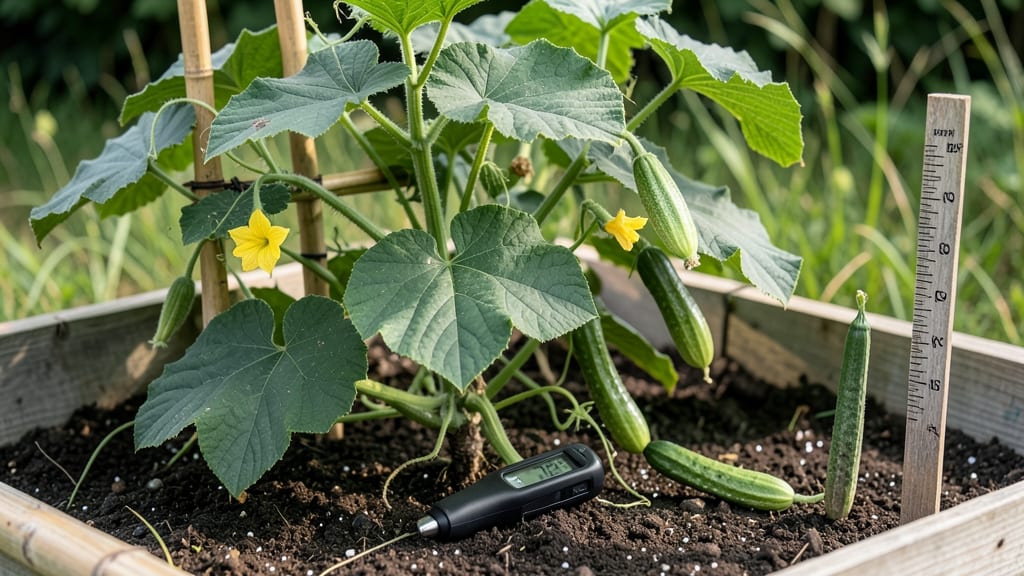
Cucumbers refuse to germinate when the soil temp for cucumbers stays below 50°F—that’s the warmth secret most gardeners miss. 🌱 I learned this the hard way after watching seeds sit stubbornly dormant for weeks, while my neighbor’s plants popped up in days.
The difference? She tested her soil temperature before planting, and now I do too.
Soil thermometers are your best friend here—aim for 70-90°F at planting time, with 60°F being the absolute minimum for germination. Cold soil slows everything down, from sprout speed to vine growth, and can even stunt fruit production later.
Black plastic mulch or row covers can add 5-10°F of warmth if your spring arrives late.
Once planted, cucumbers thrive when soil stays above 65°F, especially in hot climates where roots can overheat. The payoff? Faster germination (3-7 days instead of weeks), stronger seedlings, and heavier yields by midsummer.
I’ve seen plants bolt when soil gets too hot, so afternoon shade helps in Zone 9+ gardens.
This works for both in-ground and container cucumbers—just monitor temperatures closely. If your soil runs cool, try planting in raised beds or using heat-absorbing materials. The secret isn’t just waiting for "spring"; it’s creating the right conditions for cucumbers to perform.
📚 In This Guide
- What you need
- Instructions
- Tips and common mistakes
- Wrapping up and next steps
What you need
- ● Thermometer (soil or infrared) – A digital soil thermometer (like the ThermometerPro) or an infrared thermometer (for surface checks) to monitor temps accurately. 1 unit is all you need!
- ● Cucumber seeds – Choose heirloom or hybrid varieties suited to your climate. 10–20 seeds (or 2–3 plants per person) is a great starter quantity.
- ● Seed-starting mix or well-draining potting soil – 5–10 lbs (or enough to fill your containers). Avoid garden soil—it’s too dense and may retain excess moisture.
- ● Containers or seed trays – 4–6-inch pots or cell packs (for seedlings) with drainage holes. 1–2 per seed is ideal.
- ● Clear plastic domes or plastic wrap – To create a mini greenhouse and retain warmth. 1–2 sheets (or a dome for trays).
- ○ Heat mat (optional but helpful) – A seedling heat mat (like the VIVOSUN) to maintain 75–85°F soil temps if your environment runs cool. 1 unit covers multiple trays.
- ● Watering can or spray bottle – A gentle spray keeps seeds moist without disturbing them. 1 unit suffices.
- ● Fertilizer (balanced or seed-starting) – A 5–10–5 or 10–10–10 NPK ratio (like Jack’s Classic) to nourish young plants. 1 small bag (enough for a season).
- ● Soil warming cables – Bury these in your garden beds 1–2 weeks before planting to boost soil temp naturally. 1–2 cables per 4’x8’ bed.
- ● Black plastic mulch – Lays on garden soil to absorb sunlight and raise temps by 5–10°F. 1 roll covers ~10 sq ft.
- ● Grow lights (LED or fluorescent) – If starting indoors, 12–16 hours of light/day speeds germination. 1–2 bulbs per tray.
- ● pH test kit – Cucumbers thrive in 6.0–6.8 pH. 1 kit ensures your soil is optimal.
- ● Compost or worm castings – Adds nutrients and improves soil structure. 1–2 lbs per container or bed.
Step-by-step guide to optimizing soil temperature for cucumber germination
Here's how to create the ideal warmth for your cucumbers—because speed starts below the soil surface.
🌱 Step 1: Test Your Soil's Current Temperature
Use a soil thermometer to check your planting area's baseline warmth. Cucumbers need soil temperatures consistently between 80-90°F for fastest germination. If your soil runs cooler, you'll need to warm it up—especially in early spring or northern climates. I like to test at 10 AM on a clear day when soil is at its warmest.
Dig the thermometer 1-2 inches deep—that's where cucumber seeds need to be planted. If readings fall below 70°F, germination slows dramatically, and seeds may rot instead of sprouting. This is the moment to decide whether to use heat mats, black plastic mulch, or wait for warmer conditions.
☀️ Step 2: Warm the Soil Using Passive Methods
Spread black plastic mulch over the planting area at least 1-2 weeks before sowing. The dark surface absorbs sunlight and radiates heat downward, raising soil temperatures by 10-15°F. Secure edges with soil or bricks to prevent wind from lifting it. I've seen this method push marginal spring soils from 65°F to 80°F in just 48 hours on sunny days.
For raised beds, incorporate well-rotted compost into the top 6 inches of soil. Organic matter breaks down quickly, generating heat as a natural byproduct. Mix in 1-2 inches of compost per square foot—this isn't just about nutrients, it's about creating a warm microclimate where seeds can germinate rapidly.
💧 Step 3: Use Active Heating for Critical Warmth
If your soil remains stubbornly cool despite passive methods, deploy a seedling heat mat set to 85°F. These mats plug into standard outlets and create a warm zone directly under your seeds. Place the mat under black plastic mulch for maximum efficiency. I run mine 24/7 until germination—once sprouts appear, you can reduce to daytime use only.
For garden beds, bury black plastic pipes filled with warm water along the planting rows. The pipes act like underground radiators, slowly releasing heat into the soil. Refresh the water every 2-3 days to maintain consistent warmth. This works especially well in 5-gallon buckets filled with water and left in full sun before burial.
⏰ Step 4: Monitor and Maintain Ideal Conditions
Check soil temperature daily at the same time—morning lows can drop 10°F or more from daytime highs. If temperatures dip below 75°F, germination slows to a crawl. I keep a small notebook by my planting area to track daily fluctuations—this helps me predict when seeds will finally break through.
Once seeds sprout, maintain soil temperatures between 70-80°F for 10-14 days after emergence. Young cucumber seedlings are particularly sensitive to cold snaps. If nighttime temperatures threaten to drop below 60°F, cover seedlings with floating row covers or old bedsheets secured with bricks. The goal is to protect tender plants without smothering them.
🌿 Step 5: Transition to Natural Warmth
After 2 weeks of healthy growth with 4-6 true leaves, gradually reduce active heating. By this stage, seedlings should be strong enough to handle natural soil warmth. Remove heat mats completely and rely on mulch and compost to maintain soil temperatures. I've found that cucumbers planted in warmed soil develop 2-3 days faster than those in cooler conditions.
Watch for yellowing lower leaves—this often signals soil temperatures have dropped too low. If you see this, add another layer of mulch immediately. The key is balance: you want warmth to speed germination, but not so much heat that it stresses young plants. Aim for consistent 75-80°F during the critical first 3 weeks after sowing.
Tips & tricks for perfect cucumber germination warmth
Fast germination starts with precise soil warmth—here's how to avoid common pitfalls and maximize your cucumbers' potential.
Precision Timing: The 48-hour window after laying black plastic mulch is your best opportunity to push marginal soils from 65°F to 80°F. On cloudy days, extend this to 72 hours—direct sunlight is key. I've seen stubborn 60°F soils reach ideal 75°F ranges with this extended timing, especially when combined with compost incorporation. The goal is to hit that sweet spot of 75-80°F during the critical germination phase.
Heat Mat Strategy: When using seedling heat mats set to 85°F, place them directly under the mulch rather than on top. This creates a more stable thermal gradient at the 1-2 inch planting depth where seeds reside. I run mine continuously until sprouts appear, then switch to daytime-only use. The mat should stay warm to the touch but not hot—if it burns your fingers, you're overdoing it.
Compost Layering: The 1-2 inches of compost per square foot isn't just about nutrients—it's about creating a thermal blanket. Mix it into the top 6 inches of soil to maximize heat generation. For raised beds, I double this amount (2-4 inches) during cool springs. The decomposition process generates consistent warmth that passive methods alone can't match, especially in northern climates where soil temperatures lag behind air temperatures.
Water Pipe Hack: For garden beds, use 5-gallon buckets filled with water and left in full sun before burial. The warm water acts like a natural heat sink, releasing stored warmth gradually. Refresh every 2-3 days to maintain effectiveness. This method works particularly well in areas with large diurnal temperature swings (10°F+ differences between day and night), where consistent warmth is challenging to maintain.
Pro Tips for Soil Temp For Cucumbers
- Fast germination starts with precise soil warmth—here's how to avoid common pitfalls and maximize your cucumbers' pot...
- Precision Timing: The 48-hour window after laying black plastic mulch is your best opportunity to push marginal soils...
- Heat Mat Strategy: When using seedling heat mats set to 85°F, place them directly under the mulch rather than on top....
Frequently asked questions
What’s the ideal soil temperature for cucumber seeds to germinate?
Cucumber seeds thrive in soil that’s 70–90°F (21–32°C). For fastest germination (5–10 days), aim for the upper end (80–90°F). If your soil is cooler, use a seedling heat mat or plant in a protected microclimate like a cold frame.
How can I warm up cold soil for cucumbers?
Try these tricks to boost soil warmth:
- Black plastic mulch: Spread it 2–3 weeks before planting to absorb sunlight.
- Clear plastic tunnels: Cover rows to trap heat (remove after germination).
- Compost piles: Bury a small pile near planting spots to radiate warmth.
- Plant later: Wait until nighttime temps stay above 50°F (10°C).
What if my soil is too hot for cucumbers?
Soil above 95°F (35°C) can stunt germination or cause seed rot. To cool it down:
- Plant in partial shade (dappled sunlight).
- Use shade cloth (30–50%) during peak afternoon heat.
- Water soil deeply before planting to lower temps temporarily.
- Avoid planting until evening temps drop below 85°F (29°C).
Can I plant cucumbers if the soil is only 60°F (15°C)?
Yes, but germination will be slow (10–20 days) and uneven. To improve success:
- Soak seeds in warm water (80°F/27°C) for 24 hours before planting.
- Use a seedling heat mat (set to 75°F/24°C).
- Start seeds indoors 3–4 weeks early in biodegradable pots.
- Transplant seedlings when soil reaches 65°F (18°C).
Why did my cucumber seeds rot instead of sprouting?
Seed rot usually means soil was too cold, too wet, or compacted. Check these fixes:
- Drainage: Amend heavy soil with compost or perlite.
- Moisture: Keep soil consistently damp (not soggy).
- Depth: Plant seeds ½–1 inch deep (shallower in warm soil).
- Fungicide: Treat seeds with neem oil before planting.
Pro tip: If rot persists, test your soil’s pH (6.0–6.8 is ideal)—acidic soil can hinder germination.
Wrapping up and next steps
Mastering the soil temp for cucumbers is your secret weapon for a thriving garden! 🌱 With the right warmth—ideally between 70°F and 90°F—you’ll unlock faster germination, healthier roots, and bountiful harvests. Don’t let chilly soil slow you down; a little prep goes a long way.
Now that you’re armed with the knowledge, it’s time to roll up your sleeves! Start by testing your soil’s warmth, then adjust with mulch or row covers if needed. Ready to grow? Plant those seeds and watch your cucumbers flourish—you’ve got this! 🌿