
Planting
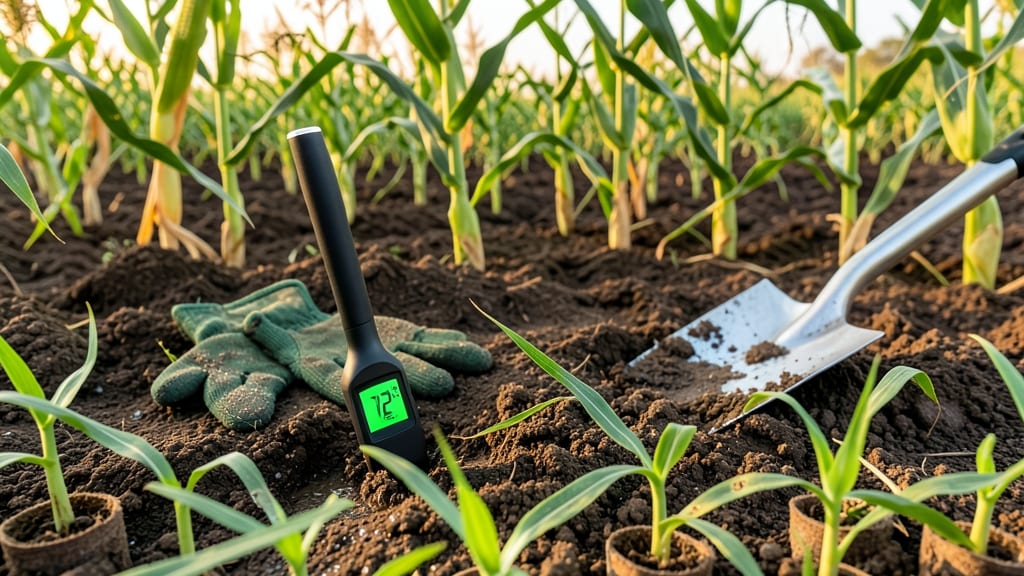
Corn needs soil temperatures of at least 60°F (15°C) to germinate and grow strong roots—any cooler, and you’re fighting an uphill battle before the first leaf appears.
Picture this: you’ve planted your 🌽 seeds with high hopes, only to watch them sit stubbornly in the ground for weeks, refusing to sprout. That’s the reality when soil temps dip below the sweet spot, and it happens more often than gardeners realize—especially in USDA Zone 6a and cooler regions.
Getting the timing right isn’t just about waiting for the last frost; it’s about ensuring the earth is warm enough to kickstart growth. Too early, and your seeds rot. Too late, and you miss the peak growing window, leaving you with stunted plants or no harvest at all.
In this guide, I’ll break down the exact soil temperature ranges for every growth stage, share foolproof ways to monitor your soil, and reveal the game-changer tricks to warm up cold ground—so you can finally grow corn that thrives from seed to ear.
Optimal soil temperature ranges for corn germination and early growth
Corn seeds are finicky about soil temperature—too cold, and they rot in the ground; too hot, and they dry out before sprouting. The ideal soil temperature for corn germination starts at 45°F (7°C), but seeds won’t reliably sprout until the soil hits 55°F (13°C).
This is where most gardeners trip up, especially in northern climates where spring soil warms slowly.
Once seeds germinate, root development thrives between 55–65°F (13–18°C). Below 55°F, roots grow slowly, making seedlings weak and vulnerable to disease. Above 65°F, roots can overheat, leading to stunted growth. Seedling emergence—when little sprouts break the soil—requires consistent temperatures above 60°F (15°C) for steady progress.
Here’s the breakdown of critical soil temperature ranges for each stage, along with regional adjustments and monitoring tips to ensure your corn gets off to the right start:
| Growth Stage | Optimal Soil Temp (°F/°C) | Minimum Viable Temp (°F/°C) | Regional Adjustments | Monitoring Tips |
|---|---|---|---|---|
| Germination | 45–55°F (7–13°C) | 40°F (4°C) – seeds may rot | Northern climates: Wait for consistent 50°F+ days | Use a soil thermometer 2" deep |
| Root Development | 55–65°F (13–18°C) | 50°F (10°C) – slow growth | Southern climates: Plant early varieties if soil heats above 70°F | Check morning temps (soil cools at night) |
| Seedling Emergence | 60°F+ (15°C+) | 55°F (13°C) – weak sprouts | High-altitude areas: Use black plastic mulch to warm soil | Watch for even soil coverage (avoid cold spots) |
| Early Vegetative Growth | 65–75°F (18–24°C) | 60°F (15°C) – stunted growth | Desert regions: Mulch to retain moisture | Adjust watering to maintain consistent temps |
In cold-start climates like the Pacific Northwest or Upper Midwest, soil may linger below 50°F for weeks after the last frost. To accelerate warming, try these regional adjustments: Lay down black plastic mulch 1–2 weeks before planting to raise soil temps by 5–10°F.
For raised beds, incorporate compost or aged manure to boost heat retention naturally.
Monitoring soil temperature accurately is half the battle. A soil thermometer is your best tool—insert it 2 inches deep (the typical planting depth for corn seeds) and check readings in the morning (soil is coolest then).
Avoid using air temperature as a guide; soil can be 10–15°F cooler than the air, especially after rain or at night.
If your soil consistently runs below 50°F in spring, consider early-maturing corn varieties like ‘Early Sunglow’ (65 days to harvest) or ‘Golden Bantam’ (70 days). These tolerate cooler soils better than long-season varieties. Pair them with row covers for an extra 2–3°F boost until seedlings are established.
One common mistake is assuming warmer air means warmer soil. Shade from trees or dense mulch can keep soil 10°F cooler than exposed areas. Test multiple spots in your garden—soil temperature varies by location, even within a few feet.
For container-grown corn, use heat mats or move pots to sunnier spots to maintain ideal temps.
Pro tip: Wet soil conducts heat poorly, so avoid overwatering before planting. Aim for moist but not soggy soil to help it warm up faster. Once seedlings emerge, increase watering to 1–1.5 inches per week to support rapid growth during the 65–75°F vegetative stage.
🌱
How to adjust soil temperature for corn in cool climates
Cool climates can make growing corn a challenge, but with the right strategies, you can create the perfect conditions for your seeds to thrive. Corn needs soil temperatures between 60–95°F for optimal growth, and in cooler regions, achieving this can feel like an uphill battle.
The key is warming the soil faster while protecting young plants from late frosts. Let’s explore proven methods to give your corn the head start it deserves.
One of the biggest mistakes gardeners make is waiting too long to prepare their soil. By the time you notice the ground is warm enough, you might have missed your planting window. Instead, start warming your soil 4–6 weeks before your last frost date.
This gives you enough time to adjust temperatures and get seeds in the ground at the perfect moment. In my experience, proactive soil warming makes all the difference between a bountiful harvest and a disappointing flop.
- Black Plastic Mulch: Spread black plastic sheeting over garden beds 1–2 weeks before planting. This absorbs sunlight and raises soil temperatures by 5–10°F. Remove it once plants emerge to prevent overheating.
- Row Covers: Use floating row covers to trap heat during the day and protect seedlings at night. These can raise soil temps by 3–5°F and shield young plants from frost. Remove covers once plants are 6 inches tall.
- Raised Beds: Fill beds with compost and aged manure to create a warmer microclimate. Raised beds warm up faster than in-ground soil, especially if filled with dark, organic matter. Ideal for early planting in cool zones.
- Companion Planting: Plant warm-season crops like beans or squash near corn. These plants create a living mulch that insulates the soil and retains heat. Beans also fix nitrogen, benefiting your corn’s growth.
- Early Varieties: Choose short-season corn varieties like 'Early Sunglow' or 'Golden Bantam'. These mature in 60–75 days and tolerate cooler soils better than longer varieties. Plant them as soon as soil reaches 55°F.
Don’t overlook the power of timing. In cool climates, planting too early can stunt your corn’s growth, while waiting too long may shorten your harvest window. Use a soil thermometer to check temperatures at a depth of 2 inches—this is where seeds germinate.
If temps are below 55°F, hold off on planting, even if the calendar says it’s time. Patience here saves you from wasted seeds and frustration.
Another pro tip: water your soil the night before planting. Moist soil warms up faster than dry soil because water absorbs and retains heat. Aim for 1–1.5 inches of water the day before you plant.
This small step can make the difference between slow, reluctant germination and vigorous sprouting within days. I’ve seen seedlings emerge in just 5–7 days when soil moisture and temperature are just right.
Finally, protect your young plants with cloches or cold frames if late frosts are still a threat. These create a mini greenhouse effect, keeping soil temps stable and shielding tender seedlings.
Once your corn reaches 12 inches tall, it can handle cooler nights better, but early protection is non-negotiable in marginal climates. With these strategies, you’ll turn even the coolest spring into a corn-growing success.
🌱