
How To
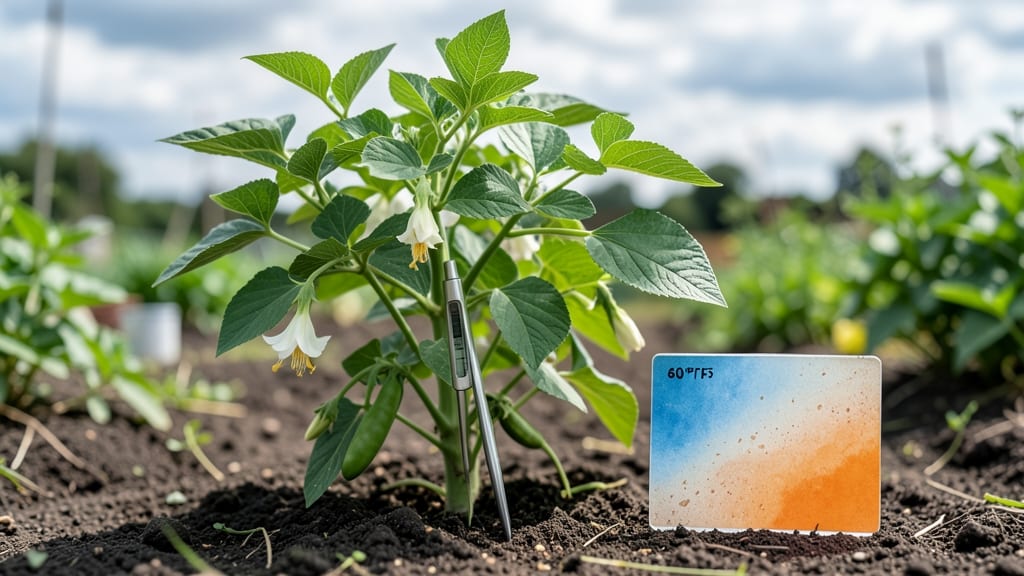
Getting your beans to sprout fast starts with the right soil temperature—aim for 60-65°F to unlock fast germination and strong early growth.
Struggling to get those little seeds to crack open? You’re not alone—even a few degrees too cold can turn weeks of waiting into months. The secret isn’t just patience; it’s knowing exactly when your soil is ready to support those 🌱 beans.
Too cool, and your seeds sit dormant; too warm, and they rot before sprouting. Whether you’re in USDA Zone 6a or a warmer region, timing matters. Plant too early, and frost or sluggish soil slows you down; too late, and summer heat zaps your harvest.
Here’s how to measure soil warmth, adjust planting times, and troubleshoot common mistakes—so you can go from seed to harvest-ready plants in record time.
Ideal soil temperature ranges for bean germination by type
If you've ever planted bean seeds only to watch them sit in the soil for weeks without sprouting, soil temperature is likely the culprit. Beans are particularly sensitive to cold soil, and even a few degrees below their ideal range can delay germination by 10 days or more.
Understanding the precise soil temperature requirements for each bean type ensures your seeds break through the soil quickly and grow into healthy plants. Let's dive into the exact ranges that work best for your favorite varieties.
Most bean seeds need warm soil to germinate successfully, typically between 60°F and 90°F. However, not all beans thrive at the same temperature. For example, pole beans often germinate faster in slightly warmer soil compared to bush varieties like kidney beans.
The difference in temperature preferences can affect not just germination speed but also the overall success rate of your crop. Let’s break down the ideal soil temperatures for the most popular bean types.
Pole beans are the most forgiving when it comes to soil temperature fluctuations, often sprouting within 5-10 days when soil is between 60°F and 80°F. This makes them a great choice for gardeners in cooler climates or those planting early in the season.
Meanwhile, black beans demand the warmest soil, thriving in temperatures between 75°F and 90°F. Planting them too early in cold soil can lead to rot or failed germination, so wait until your soil is consistently warm.
If your soil is too cold for your chosen bean variety, don’t panic. You can warm the soil naturally by covering it with black plastic mulch a few days before planting. This simple trick raises soil temperature by 5-10°F and speeds up germination.
Alternatively, consider starting seeds indoors under a heat mat if you’re eager to get a jump on the growing season. Just be sure to harden off seedlings before transplanting them outdoors.
Conversely, if your soil is too hot—above 90°F—bean seeds may struggle to germinate or even rot. In such cases, plant in the early morning or late afternoon when temperatures are cooler, or provide light shade to protect the soil.
Mulching with straw or grass clippings can also help regulate soil temperature and retain moisture, creating a more stable environment for your seeds.
For gardeners in USDA Zones 3-5, where soil warms slowly, focus on planting pole beans or pinto beans, which tolerate cooler conditions better than other varieties.
In Zones 6-10, you have more flexibility to experiment with heat-loving beans like black beans and kidney beans, but always monitor soil temperature to avoid delays. A simple soil thermometer (available for under $10) is a game-changer for tracking these conditions accurately.
Remember, consistency is key. Bean seeds need stable temperatures to germinate efficiently. If your soil temperature fluctuates wildly—say, from 50°F at night to 80°F during the day—your seeds may hesitate to sprout or develop unevenly.
Aim for a steady increase in warmth as the season progresses, and your beans will reward you with faster, more reliable germination.
Once your seeds sprout, maintaining the right soil temperature becomes equally important for root development and plant vigor. Young bean plants thrive in soil that stays between 65°F and 85°F, so keep an eye on your garden’s microclimate.
With the right conditions, you’ll go from seed to harvest in as little as 60 days—all thanks to understanding your beans’ soil temperature needs.
🌱
How to measure and adjust soil temperature for faster bean growth
Getting your bean seeds to sprout quickly depends more on soil temperature than you might think. Most gardeners focus on water and sunlight, but the soil warmth is the hidden factor that determines whether your seeds will germinate in 5 days or never sprout at all.
Even experienced growers often miss the mark because they don't know how to check their soil's true temperature—or how to adjust it naturally when it's too cold or too hot.
Beans thrive when soil temperatures hover between 60°F and 90°F, but the sweet spot for fastest germination is 70°F to 80°F. Below 50°F, seeds may rot before sprouting, while temperatures above 95°F can slow growth or cause seed death.
The good news? You don’t need expensive tools to measure or adjust your soil’s warmth—just a few simple techniques that work in any garden.
Use a soil thermometer (digital or analog) inserted 2 inches deep—this mimics seed depth. For a DIY version, use a thermometer with a long probe or even a meat thermometer (cleaned thoroughly). Check temps morning and evening—they fluctuate daily.
Wait until soil reaches 60°F+ before planting. In cooler climates, use a planting calendar for your USDA zone. For example, in Zone 5, aim for mid-May, while Zone 8 gardeners can start as early as March.
Spread black plastic mulch 1–2 weeks before planting to raise soil temps by 5–10°F. Alternatively, use straw or compost (which decomposes and generates heat) or plant in raised beds, which warm faster than ground soil.
If temps exceed 90°F, provide afternoon shade with shade cloth or plant in partial shade. Water soil deeply in the evening to lower temps gradually. Avoid planting during heatwaves—wait for cooler days.
Pole beans tolerate slightly cooler soil (60–75°F), while bush beans prefer 70–85°F. Black beans and kidney beans need the warmest soil (75–90°F) to germinate reliably. Match your variety to your soil’s natural warmth.
One common mistake is assuming "warm enough" means the air temperature is comfortable. Soil stays cooler than air—especially in early spring or late summer—so always check with a thermometer. For example, a 70°F sunny day might still have 55°F soil, which is too cold for most beans.
If you’re in a hurry, try soaking seeds overnight in warm water (80°F) to kickstart germination before planting.
For gardeners in northern climates, consider using row covers or cold frames to extend the growing season. These create microclimates that trap heat and protect young plants from temperature swings.
In southern regions, focus on morning planting to avoid the hottest afternoon sun, which can bake seeds in the ground. Always plant when the forecast predicts stable temps—consistency is more important than extreme warmth.
Remember, soil temperature isn’t just about speed—it’s about survival. Seeds planted in cold soil may rot, while those in overly hot soil can dry out before sprouting. By mastering these simple adjustments, you’ll see faster germination, stronger seedlings, and a more productive bean harvest.
Start testing your soil today—your future plants will thank you!