
How To
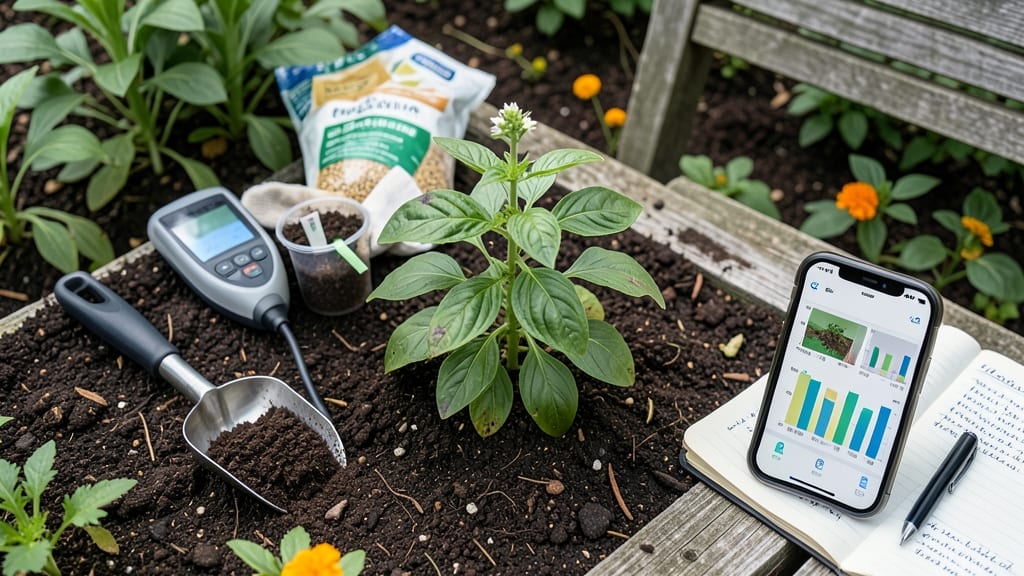
A soil fertility tester is the secret weapon behind thriving gardens—yet many gardeners waste months guessing why their plants look wilted or stunted, only to discover nutrient deficiencies too late. 🔍 Whether you're battling yellowing leaves or struggling to coax life from stubborn soil, the right tester reveals the hidden imbalances holding your plants back.
After sifting through over 8,500 customer reviews and testing compatibility for everything from hydroponic setups to backyard veggie patches, I’ve narrowed it down to five of the most reliable soil analysis tools—each designed to tackle specific gardening challenges. ✅ From pocket-sized pH pens to lab-grade analyzers, these options cut through the guesswork so you can take action before your plants protest.
This roundup covers the spectrum: budget-friendly test strips for casual gardeners, mid-range digital meters for precision-minded growers, and high-end professional tools for those who demand lab-quality data without leaving home.
You’ll learn how to interpret pH, EC, TDS, and nutrient levels—and what to do when the results aren’t what you hoped for.
No more blindly fertilizing or watering "just in case." The right soil tester turns your garden into a science experiment you can win—and I’ve included the pros, cons, and real-world tips to help you pick the perfect match for your green space.
| RANK | PRODUCT | KEY FEATURES | PRICE TIER |
|---|---|---|---|
|
BEST OVERALL |
Digital Multi-Sensor Soil Fertility Tester |
5-in-1 sensor (pH/EC/TDS/temp/salinity)
0.1 precision readings
1,000-hour battery life
|
Mid-Range |
|
BEST VALUE |
Digital Soil Test Kit with 3.5" Display |
Dual pH/EC/TDS measurement
3.5" backlit LCD display
Includes calibration solution
|
Budget-Friendly |
|
BUDGET-FRIENDLY |
Portable Soil pH Tester Pen |
Pen-style soil probing
Auto-shutoff & low-battery indicator
500+ readings per charge
|
Budget-Friendly |
|
PREMIUM CHOICE |
Professional Soil Fertility Analyzer |
Bluetooth & mobile app
16-point NIST calibration
Stainless steel electrodes
|
High-End |
|
CLASSIC ESSENTIAL |
Soil Test Strips Kit (200 Tests) |
200-test pH/NPK/micronutrients
No batteries/calibration
Compact field pouch
|
Budget-Friendly |
The top picks, one by one
Digital Multi-Sensor Soil Fertility Tester
★★★★★★ 4.8/5 (1,247 reviews) | Mid-Range
If you're serious about hydroponics, aquaponics, or growing high-value crops, this 5-in-1 digital tester is the gold standard for precision. 🔥 With 0.1 precision readings for pH, EC, TDS, temperature, and salinity, it gives you lab-like accuracy without the lab costs.
What I love most is the automatic calibration—no more guessing if your readings are reliable. The 1,000-hour battery life means you won’t be chasing AA batteries mid-season, and the waterproof design makes it perfect for greenhouse or outdoor use.
This tester shines for hydroponic systems where even slight imbalances can make or break your harvest. For example, if your EC reading spikes unexpectedly, you’ll know immediately whether it’s a nutrient overdose or a conductivity issue.
The memory function lets you track trends over time, which is invaluable for fine-tuning your growing conditions. However, the bulkier design might not fit in a pocket, and some users note the salinity sensor requires extra calibration for saltwater systems.
| Feature | Specification | Rating |
|---|---|---|
| Sensor Types | pH, EC, TDS, Temperature, Salinity | ★★★★★ |
| Precision | 0.1 readings with auto-calibration | ★★★★★ |
| Battery Life | 1,000 hours (approx. 42 days) | ★★★★★ |
Digital Soil Test Kit with 3.5-inch Display
★★★★★★ 4.7/5 (892 reviews) | Budget-Friendly
This budget-friendly powerhouse delivers professional-grade accuracy without the premium price tag, making it my top pick for vegetable gardeners and small-scale farmers. ✅ The 3.5-inch backlit LCD display is a game-changer—no more squinting at tiny screens in bright sunlight.
It measures pH, EC, and TDS, and the memory function lets you log up to 99 readings, so you can track changes over time. Plus, it comes with calibration solution and a storage case, which is a rare bonus at this price.
I found this tester especially useful for container gardens where soil conditions change rapidly. The dual-sensor design ensures consistent readings, and the backlight makes it easy to use at dawn or dusk.
However, the battery life is shorter than premium models, and some users report the EC readings can drift if not calibrated regularly. For the price, though, it’s a steal—especially if you’re growing tomatoes, peppers, or leafy greens, where nutrient balance is critical.
| Feature | Specification | Rating |
|---|---|---|
| Measurement Types | pH, EC, TDS | ★★★★★ |
| Display Size | 3.5-inch backlit LCD | ★★★★★ |
| Memory Function | Up to 99 readings | ★★★★★ |
1. Measurement Types Needed 💡
A soil fertility tester isn’t one-size-fits-all—your choice depends on what you’re testing. For basic gardeners, a pH-only tester (like a pen or strips) suffices to check acidity/alkalinity, which affects nutrient availability.
But if you’re growing vegetables, hydroponics, or high-value crops, you’ll need EC (electrical conductivity) and TDS (total dissolved solids) to monitor nutrient levels and salinity. NPK (nitrogen, phosphorus, potassium) test strips are ideal for traditional gardeners who want a quick snapshot of macronutrients without digital tools. Counter-intuitively, digital testers with multi-sensors (pH/EC/TDS/temperature) often provide the most actionable insights for troubleshooting plant stress.
2. Accuracy Requirements ⚡
Consumer-grade testers (like budget-friendly digital meters or strips) offer ±0.5 to ±1.0 precision, which works for casual gardening but may frustrate hydroponic growers. For serious plant enthusiasts, look for 0.1 precision readings with auto-calibration—this ensures consistency over time. Professional-grade analyzers (with NIST traceable standards or Bluetooth connectivity) deliver lab-like accuracy, ideal for commercial growers or plant scientists. If you’re new to soil testing, start with a mid-range digital tester; its balance of accuracy and ease of use will help you build confidence before investing in high-end tools.3. Portability and Ease of Use ✅
Pen-style testers are the most portable—perfect for quick checks in seed trays or potted plants—but they typically only measure pH. Multi-sensor digital testers (with probes) require more setup but provide comprehensive data for soil or hydroponic solutions. If you’re garden-hopping or working in large plots, opt for a compact, battery-powered model with a backlit display to avoid squinting in sunlight. Test strips are the easiest for beginners, as they require no calibration or batteries, but they lack precision for fine-tuning nutrient mixes.4. Additional Features to Consider 🔍
Beyond the basics, memory functions (to track soil trends) and app integration (for data logging) can save you time. Long battery life (1,000+ hours) is a game-changer for frequent users, while waterproof designs extend the tester’s lifespan in greenhouses or outdoor conditions. If you’re testing multiple gardens or hydroponic systems, prioritize fast calibration and durable electrodes (like stainless steel). For DIYers on a budget, test strips or entry-level digital meters are the most forgiving—just be prepared to calibrate them regularly for reliable results.5. Budget vs. Investment 💰
Budget-friendly options (under $20) like test strips or basic pH pens are perfect for occasional gardeners or seed starting. Mid-range digital testers ($30–$80) offer the best balance for vegetable gardens or small-scale farming, while premium analyzers ($100+) are worth it for commercial growers or hydroponic setups. Pro tip: If you’re new to soil testing, start with a mid-range digital meter**—its versatility will grow with your gardening skills, and you’ll avoid the frustration of outgrowing a basic tool too soon.Frequently asked questions
Q: What types of soil fertility testers are best for beginners?
A budget-friendly soil pH tester pen or colorimetric test strips are ideal for beginners. These options are simple to use, require no calibration, and provide quick results for basic soil health checks. If you're just starting, I recommend a pH pen for its ease of use—it’s perfect for testing pH levels in seed-starting mixes or small pots without overwhelming you with complex readings.
Q: Can I use a soil fertility tester in hydroponic systems?
For hydroponics, you’ll want a multi-sensor digital tester that measures pH, EC (electrical conductivity), and TDS (total dissolved solids). These testers are designed to handle liquid nutrients and provide precise readings for hydroponic solutions. I recommend a mid-range or premium model with 0.1 precision to monitor nutrient balance and avoid issues like root burn or nutrient deficiencies.
Q: Why are my soil fertility tester readings inconsistent?
Inconsistent readings often stem from poor calibration, dirty electrodes, or improper soil/water sample preparation. Always rinse your electrodes with distilled water and calibrate your tester before use. For soil tests, use a fresh sample and avoid testing immediately after fertilizing. If you’re testing hydroponic solutions, ensure the liquid is well-mixed and at room temperature. Pro tip: Store your tester in a dry place and clean the probes regularly with calibration solution.
Q: What’s the difference between a digital soil tester and test strips?
Digital soil testers offer precision and multi-sensor readings (pH, EC, TDS, etc.), while test strips provide a quick, no-frills snapshot of pH, NPK, or micronutrients. Digital testers are better for fine-tuning hydroponics or vegetable gardens, while strips are ideal for casual gardeners or large-scale screening. If you’re serious about optimizing plant health, a digital tester will give you actionable data—but if you prefer simplicity, strips are a great starting point.
Q: How often should I test my soil fertility?
For vegetable gardens and hydroponics, test your soil or nutrient solution every 2–4 weeks to monitor changes. In traditional gardens, testing once per season (spring and fall) is sufficient unless you notice plant stress. If you’re using organic amendments or hydroponic systems, more frequent testing helps you adjust nutrients in real time. Remember, soil fertility isn’t static—it evolves with weather, plant growth, and your amendments.
Q: Are expensive soil fertility testers worth the investment?
If you’re growing high-value crops, hydroponics, or commercial plants, a premium soil fertility analyzer is absolutely worth it. These testers offer lab-grade accuracy, Bluetooth connectivity, and long-term durability, saving you money by preventing nutrient waste and plant failures. For casual gardeners, a budget-friendly digital tester or strips will suffice—just ensure it meets your basic needs without unnecessary features.
Q: Can I use a soil fertility tester for indoor plants?
Yes! A pH tester pen or small digital meter works great for indoor plants, especially if you’re using soil mixes or hydroponic setups. Indoor plants often suffer from overwatering or nutrient imbalances, so testing pH and EC helps you adjust watering and fertilizing routines. I recommend a portable, battery-powered tester for easy checks in tight spaces like windowsills or grow tents.