
Pests and Diseases
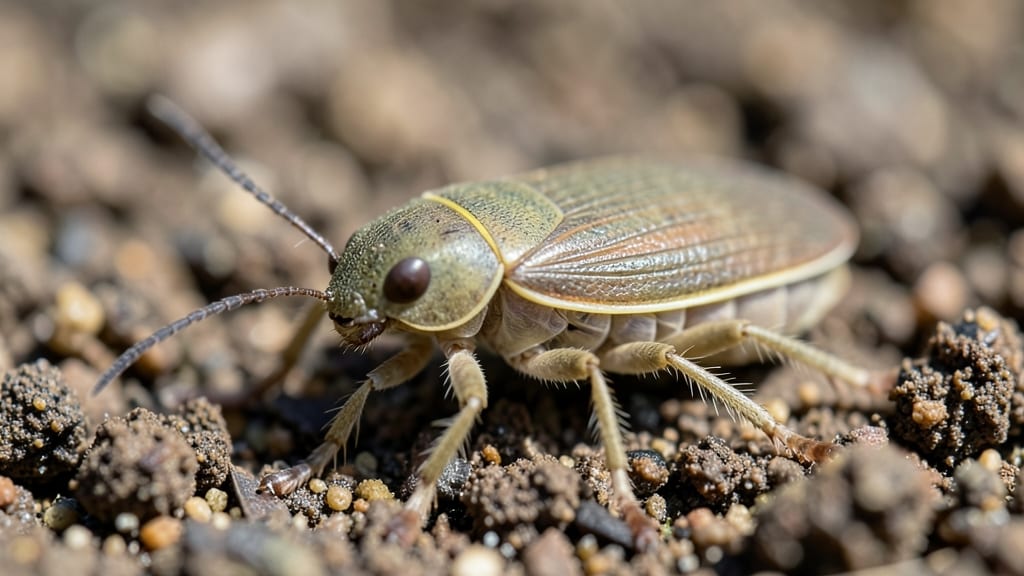
The identification of soil bugs can turn a mystery into a garden strategy. 🌱 The first step is spotting the difference between pests like grubs and beneficial beetles—both look like tiny armored soldiers but play completely different roles in your soil.
Most soil bugs you’ll find fall into three categories: chewers (like grubs), suckers (nematodes), or predators (ground beetles). Chewers eat roots, suckers attack cells, and predators keep the others in check. Knowing which is which helps you decide whether to intervene or just let nature balance itself.
You’ll learn to recognize lifecycle stages—eggs, larvae, and adults—so you can catch problems early. A quick soil check with a trowel can reveal grubs or pill bugs before they cause damage, giving you time to act if needed.
This guide covers the most common bugs, their damage signs, and natural management tips. No more guessing whether those tiny critters are friends or foes—just clear, actionable identification to keep your garden thriving.
Underlying Causes of Soil Bug Activity
Soil bugs—whether they’re destructive pests or beneficial predators—don’t just appear out of nowhere. Their presence (or sudden surge) is almost always tied to specific environmental, ecological, or human-induced factors. Understanding these root causes helps you take targeted action to manage their impact.
Below, we break down the most common reasons soil-dwelling insects thrive—or, in some cases, overrun your garden.
When soil conditions become unfavorable, bugs often move in to exploit the chaos. Here’s how environmental stress sets the stage:
- 💧 Poor Drainage or Waterlogging
- Excess moisture creates the perfect breeding ground for fungus gnats, sowbugs, and springtails. These pests thrive in soggy soil because it mimics their natural damp habitats.
- Why it happens: Compacted or clay-heavy soils trap water, suffocating plant roots while signaling to moisture-loving bugs that food (decaying organic matter) is abundant.
- Actionable fix: Amend soil with perlite, coarse sand, or compost to improve aeration. Elevate containers or install drainage tiles in garden beds.
- ☀️ Extreme Heat or Drought
- Drought-stressed plants release volatile organic compounds (VOCs) that attract beneficial predators like ground beetles and spiders—but also pests such as cutworms or grubs that feed on weakened roots.
- Why it happens: Heat forces plants to prioritize survival over defense, making them easier targets. Dry soil also reduces microbial activity, which can disrupt natural predator-prey balances.
- Actionable fix: Mulch heavily with straw or wood chips to retain moisture. Drip irrigation can prevent soil from drying unevenly.
- ❄️ Cold Snaps and Freeze-Thaw Cycles
- Freezing temperatures kill off beneficial microbes and fungi, which earthworms and predatory mites rely on. This creates a vacuum that pests like wireworms or root maggots fill.
- Why it happens: Sudden temperature shifts disrupt soil ecosystems, leaving vulnerable plants and exposed roots. Some pests (e.g., grubs) also emerge from diapause (a dormant state) when soil warms unpredictably.
- Actionable fix: Use row covers in early spring to moderate soil temps. Avoid tilling frozen ground, which can shred overwintering pests.
Soil bugs are opportunists—they follow food. Too much (or too little) organic matter can tip the scales in their favor.
- 🍂 Excessive Leaf Litter or Mulch
- Piles of untreated leaves, grass clippings, or wood chips attract earwigs, millipedes, and sowbugs, which decompose the material. While some (like millipedes) are harmless, others (e.g., cutworms) may hide in thick mulch to ambush seedlings.
- Why it happens: Decomposing organic matter releases heat and moisture, creating microclimates that pests prefer. Some bugs also use mulch as shelter from predators.
- Actionable fix: Shred mulch finely (no larger than 1 inch) and limit layers to 2–3 inches. Avoid piling mulch against plant stems.
- 🌿 Over-Fertilization with Nitrogen
- High-nitrogen fertilizers (e.g., blood meal, alfalfa pellets) stimulate rapid plant growth—but they also attract fungus gnats and root maggots, which are drawn to the lush, tender roots.
- Why it happens: Nitrogen-rich soils boost microbial activity, which fungus gnat larvae feed on. Excess nitrogen also weakens plant defenses, making roots more susceptible to attack.
- Actionable fix: Switch to slow-release fertilizers or compost tea. Let soil dry slightly between waterings to deter gnat larvae.
- 🍅 Lack of Diversity in Soil Food Web
- Monoculture gardens (e.g., rows of tomatoes or peppers) provide a buffet for pests like grubs or root-knot nematodes, which specialize in specific plant types. Meanwhile, beneficial predators (e.g., centipedes, rolly-pollies) struggle to find enough prey.
- Why it happens: Simplified ecosystems lack the checks and balances that keep pest populations in check. Without diverse plant life, natural predators lose habitat and food sources.
- Actionable fix: Plant companion crops (e.g., marigolds to repel nematodes, basil to deter thrips). Interplant flowers like dill or carrots to attract predatory wasps.
Even well-intentioned gardening practices can inadvertently create a bug buffet. Here’s how:
- 🔥 Over-Tilling or Disturbing Soil
- Tilling aerates soil but also exposes pupating grubs, wireworms, and cutworms to the surface, where they’re easy prey for birds—or where they can lay more eggs.
- Why it happens: Physical disruption breaks up natural soil layers where beneficial microbes and fungi reside. It also brings hidden pests to the topsoil, where they can spread rapidly.
- Actionable fix: Adopt no-till gardening where possible. Use a broadfork to loosen soil without inverting layers.
- 🚫 Pesticide Overuse
- Broad-spectrum pesticides (e.g., neonicotinoids, carbaryl) kill beneficial insects like ladybugs and ground beetles first, creating a void that pests fill. Some pests (e.g., aphids) also develop resistance and reproduce faster in pesticide-treated soils.
- Why it happens: Chemical disruption collapses the soil food web. Without predators, pests like root maggots or sowbugs multiply unchecked.
- Actionable fix: Use targeted sprays (e.g., soapy water for aphids) or introduce beneficial nematodes (Steinernema species) to control grubs naturally.
- 🛒 Importing Infested Soil or Plants
- Purchasing balled-and-burlapped trees, potted plants, or even compost from unknown sources can introduce nematodes, grubs, or scale insects into your garden.
- Why it happens: Many pests hitchhike on plant roots or hidden in soil. Some (like root-knot nematodes) are microscopic and impossible to spot without testing.
- Actionable fix: Quarantine new plants for 2–4 weeks before introducing them to your garden. Request a soil test if buying large quantities of compost or topsoil.
By addressing these root causes, you’re not just treating symptoms—you’re redesigning your soil’s ecosystem to make it less hospitable to pests and more welcoming to natural controls. The key? Observe, test, and intervene strategically.
Quick Fixes for Common Soil Bugs
Unwanted critters in your soil can disrupt plant health, but the right approach turns the tide fast. Below, we’ve mapped practical solutions to the most common soil bug problems—from identification to elimination—along with prevention tips to keep your garden thriving long-term.
Cause: Larvae chewing roots or stems, often from moth eggs or beetle larvae. Fix:
- Handpick at night (cutworms hide under leaves during the day 🌙) and drop them in soapy water.
- Apply diatomaceous earth (food-grade) around plants—it dehydrates soft-bodied pests like cutworms.
- Encourage predators like ground beetles or parasitic wasps by adding mulch or leaving leaf litter.
💡 Prevention Tip: Rotate crops yearly and avoid overwatering, which attracts egg-laying moths.
Cause: Slimy trails and chewed leaves mean these gastropods are feasting. Fix:
- Set beer traps (bury a shallow dish filled with beer near plants—slugs drown in it 🍺).
- Use iron phosphate baits (safe for pets/kids) or copper barriers (create a physical block).
- Handpick after rain (they’re most active when soil is damp).
💡 Prevention Tip: Mulch with sharp materials like crushed eggshells or coarse sand to deter slugs.
Cause: They’re not just pests—they farm aphids (which excrete honeydew, attracting soot mold). Fix:
- Bait with borax or sugar-water mix (ants carry it back to the nest 🐜).
- Spray nests with soapy water (disrupts their trails).
- Remove aphid hotspots (ants won’t stick around without their "cows").
💡 Prevention Tip: Keep garden beds tidy—ants love hiding in debris. Use diatomaceous earth near entry points.
Cause: Moist soil attracts these tiny pests, damaging roots or spreading disease. Fix:
- Let soil dry slightly between waterings (fungal gnats love soggy conditions 💦).
- Use yellow sticky traps (hang them near plants to catch adults).
- Add beneficial nematodes (Steinernema feltiae) to the soil—they hunt gnat larvae.
💡 Prevention Tip: Aerate compacted soil and reduce overhead watering to discourage breeding.
Cause: Wood-boring pests weaken structures and plant supports. Fix:
- Spot-treat with boric acid (mix with water and apply to affected wood 🪵).
- Remove infested wood and replace with termite-resistant materials (cedar, metal).
- Call a pro if the nest is large—DIY fixes may not reach deep colonies.
💡 Prevention Tip: Keep wood chips/mulch away from foundations and store firewood elevated.
Cause: They dig for grubs or seeds, creating unsightly mounds. Fix:
- Castor oil repellent (spray around entry points—it’s safe and effective 🌿).
- Set humane traps (live traps work better than poison for long-term control).
- Break up tunnels with a shovel (moles avoid disturbed soil).
💡 Prevention Tip: Plant mole-repelling herbs like daffodils or marigolds near vulnerable areas.
No matter the pest, healthy soil = fewer problems. Try these low-effort upgrades:
- Compost tea (adds beneficial microbes that outcompete pests).
- Cover crops (clover or vetch suppress weeds and attract predator insects).
- Regular soil tests (know your pH—some bugs thrive in acidic/alkaline conditions).
Remember: Most soil bugs are harmless or helpful—only act if they’re causing damage. When in doubt, identify first (check our field guide) before treating!
Frequently asked questions
How can I tell if a soil bug is harmful or beneficial?
Look for key indicators: harmful bugs like grubs or cutworms chew roots or stems, leaving jagged edges or wilting plants. Beneficial bugs such as ground beetles or rolly-pollies have segmented bodies and help control pests. A quick soil check with a trowel can reveal their presence—harmless bugs rarely cause visible damage.
What’s the best time of day to spot soil bugs?
Early morning or late evening works best! Many pests like cutworms hide during the day but become active when temperatures drop. Beneficial predators such as ground beetles are also easier to spot after dark when they hunt. Use a flashlight to inspect soil and plant bases.
Can I use a magnifying glass to identify tiny soil bugs?
A 10x magnifying glass helps spot details like body segments, antennae length, or wing patterns. For microscopic pests (e.g., nematodes), a hand lens or even a smartphone microscope app can reveal key features. Just focus on the bug’s shape, legs, and behavior—most harmful pests leave visible signs of damage.
What should I do if I find grubs in my lawn?
First, confirm they’re grubs (white, C-shaped larvae). If your lawn has brown patches or weak grass, act fast: water deeply to encourage beneficial nematodes, or apply milky spore bacteria (a natural grub killer). For severe infestations, handpick grubs at night and dispose of them in soapy water.
Are pill bugs (rolly-pollies) harmful to gardens?
Not at all! Pill bugs are detritivores—they break down decaying plant matter, improving soil health. Their curled-up defense mechanism is harmless. If you see many, it just means your soil has plenty of organic material to decompose. No intervention needed unless they’re overcrowding your garden beds.