
Propagation
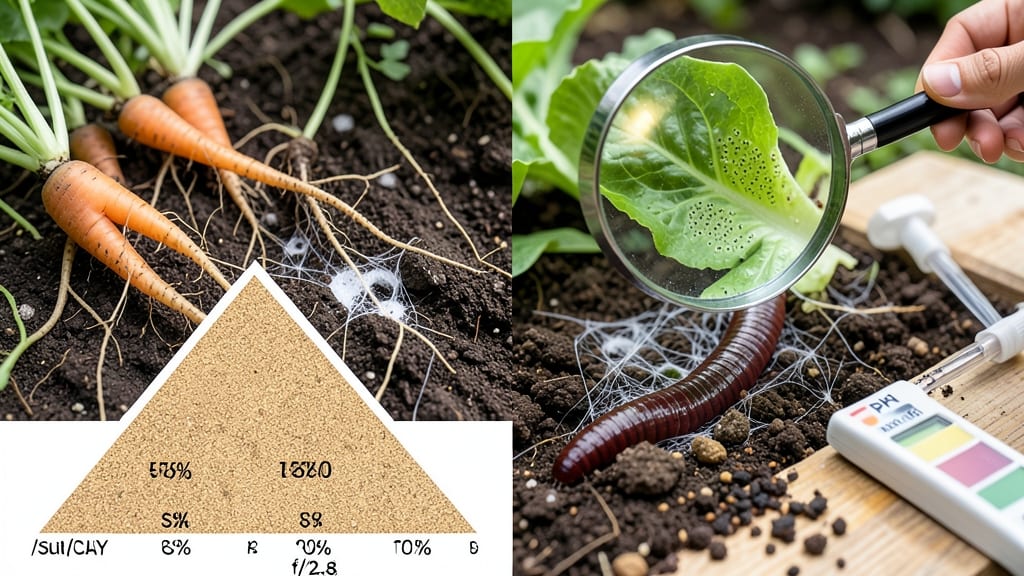
Soil and air must work together to allow roots to absorb oxygen, which fuels growth and prevents suffocation from waterlogged conditions. This delicate balance is essential for preventing root rot and maintaining vigorous plant development.
This oxygen exchange happens through tiny air pockets in the soil, which act like lungs for roots.
When soil becomes compacted or overly saturated, these pockets collapse, cutting off oxygen flow and triggering stress responses in plants. 🌱 Proper aeration isn't just about drainage—it's about creating an environment where beneficial microbes can thrive alongside roots, breaking down nutrients and protecting against pathogens.
Compacted soil is the #1 enemy of healthy root systems, often caused by foot traffic or heavy machinery. The solution? A mix of organic matter (like compost), strategic tilling, and proper mulching to maintain pore space.
For dense soils, tools like core aerators can create channels that restore airflow, while raised beds naturally improve oxygen circulation.
💡 In This Article
- The Science of Root Oxygen Exchange in Soil
- Improving Soil Aeration for Healthier Roots
The science of root oxygen exchange in soil
Roots "breathe" through a process called oxygen diffusion, where O₂ molecules move through soil pores to reach root cells. These pores—created by sand particles, decaying organic matter, and soil aggregates—act like microscopic lungs, allowing gas exchange between the atmosphere and roots.
In ideal conditions, well-aerated soil contains 20-30% air by volume, with the rest being water and solids. This balance ensures roots can perform respiration, converting oxygen and sugars into energy while releasing CO₂ as a byproduct.
Soil structure plays a critical role: sandy soils drain quickly but may lack water retention, while clay soils hold moisture but often become compacted, reducing pore space. The ideal mix—loamy soil—combines the best of both, with 40-60% pore space for optimal airflow.
When soil compacts (from foot traffic or machinery), pores collapse, forcing roots to struggle in anaerobic conditions, where oxygen levels drop below 5-10%, triggering stress responses like ethylene production—a plant hormone that signals decay.
Microbial activity depends entirely on this oxygen supply. Beneficial microbes, like mycorrhizal fungi and nitrifying bacteria, require oxygen to break down organic matter and cycle nutrients.
Without it, harmful anaerobic bacteria thrive, producing toxins like hydrogen sulfide and methane, which stunt root growth. 🌱 For example, waterlogged soils (common in heavy clay or poorly drained areas) can reduce oxygen to nearly 0%, causing roots to suffocate within days.
Temperature also affects oxygen availability. Warmer soils increase microbial respiration, which consumes oxygen faster—this is why spring planting often requires extra aeration to prevent early-season stress. Conversely, cold soils slow microbial activity but may retain more oxygen due to reduced demand.
The key is maintaining a dynamic equilibrium, where soil structure adapts to seasonal changes while supporting both roots and microbes.
Visualize it like a sponge: wet, squeezed-out sponges (compacted soil) can't hold air, while fluffy, dry sponges (well-drained soil) allow oxygen to flow freely. The goal is a balanced texture, where roots can access both water and air without competition.
This is why gardeners often test soil with a simple poke test—if it crumbles easily, it’s aerated; if it stays clumped, it’s time to intervene.
Here’s what happens when oxygen is cut off:
- Root rot: Fungal pathogens like Phytophthora exploit weak, oxygen-starved roots
- Stunted growth: Roots divert energy to survival instead of expansion
- Nutrient lockout: Microbes can’t convert nitrogen or phosphorus into plant-available forms
Understanding this science helps explain why container gardens often require extra drainage holes—roots in pots have no escape from waterlogging. It’s not just about water; it’s about creating a breathable environment where roots and microbes can coexist harmoniously. 💫