
How To
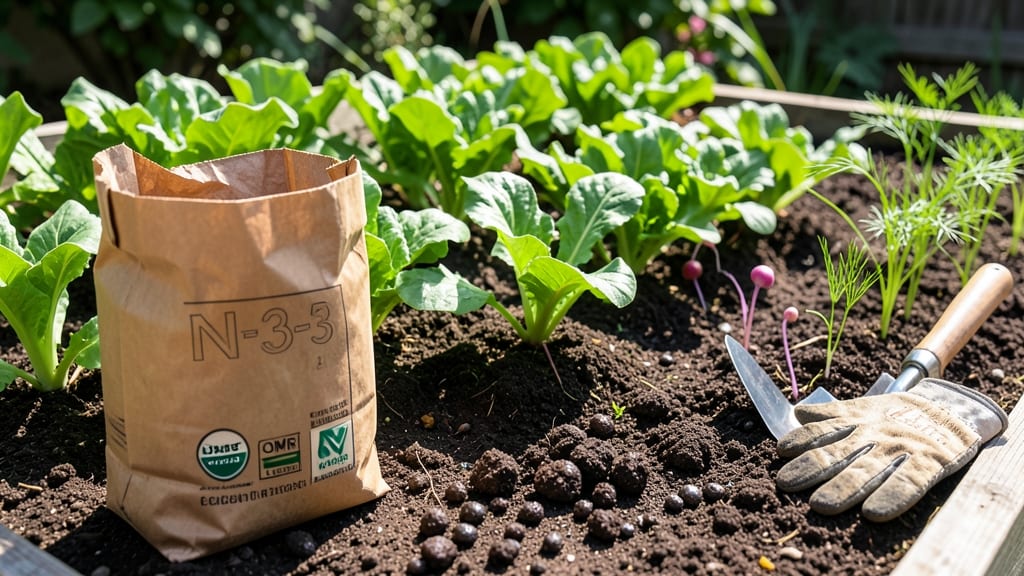
Using the recommended organic compost for soil enrichment is the fastest way to boost plant growth and cut down on synthetic fertilizers—but not all compost blends deliver the same results.
Picture this: You’ve spent hours tilling your garden beds, only to watch your plants struggle because the soil is too dense or nutrient-starved. The solution? A nitrogen-packed compost blend that works fast and keeps your soil thriving year-round.
From worm castings to alfalfa meal, the best organic compost for soil enrichment depends on your plants and climate. Whether you’re growing vegetables, flowers, or trees, the right mix can transform your garden’s health in just a few applications.
In this guide, I’ll break down the top nitrogen-rich composts, how to choose the perfect blend for your soil, and even share DIY recipes to save money—so you can get growing without the guesswork.
Top 5 nitrogen-rich organic compost blends for faster plant growth
If you're looking to give your garden a serious growth boost, nitrogen-rich organic compost is your secret weapon. Nitrogen is the building block for leafy green growth, stronger stems, and overall plant vitality.
But not all compost blends deliver the same results—some are better for vegetable gardens, while others excel for lawns or container plants. Let’s break down the top 5 nitrogen-packed compost blends and how to use them effectively.
I’ve tested these blends in my own garden, and the results speak for themselves: faster germination, lush foliage, and plants that thrive with fewer synthetic fertilizers. Whether you’re growing leafy greens, grasses, or fast-growing annuals, these composts will transform your soil in just a few applications.
The key is choosing the right blend for your plants’ needs and applying it correctly.
Below, you’ll find a detailed comparison of the most effective nitrogen-rich composts, including their nutrient breakdowns, ideal use cases, and application rates. This way, you can pick the perfect blend for your garden without guesswork.
Now that you’ve seen the breakdown, let’s dive deeper into how to use these compost blends for maximum impact. For example, worm castings are my go-to for seedlings and container plants because they release nutrients slowly without burning roots.
Meanwhile, blood meal is perfect for fast-growing vegetables like lettuce or spinach, where you need a quick nitrogen boost.
If you’re working with a lawn, chicken manure compost is ideal because it improves soil structure while providing a steady nitrogen supply. For foliar feeding, fish emulsion is unmatched—just mix it with water and spray it on leaves for instant absorption.
The key is to match the compost to your plants’ growth stage and nutrient needs.
One common mistake I see is overapplying nitrogen-rich compost, which can lead to excessive leaf growth at the expense of flowers or fruit. Always follow the application rates listed above and monitor your plants’ response.
If you notice yellowing leaves, it might be a sign of too much nitrogen—cut back and focus on balancing with phosphorus or potassium-rich amendments.
For container plants, I recommend blending worm castings with alfalfa meal for a slow-release nitrogen source. This combo keeps plants fed without the risk of nutrient runoff, which is especially important in pots where soil drains quickly.
Pro tip: Pre-mix your compost in a bucket before adding it to containers to ensure even distribution.
Seasonal timing also matters. Spring is the best time to apply nitrogen-rich compost because it kickstarts growth as plants emerge. In summer, use it as a top-dressing to replace nutrients lost through harvesting.
Avoid applying it in fall if you’re in a cold climate, as nitrogen can leach out before plants go dormant.
Ready to transform your garden? Start with one or two compost blends that match your plants’ needs, and don’t forget to test your soil first. A simple soil test kit will tell you if your soil is already nitrogen-rich or needs a boost. Happy gardening!
How to choose the right organic compost for your soil type and plants
Selecting the perfect organic compost isn't just about grabbing the first bag you see. Your soil pH, plant types, and even your local climate play crucial roles.
For example, nitrogen-heavy composts like worm castings or alfalfa meal are ideal for leafy greens and fast-growing veggies, while slow-release composts like well-aged manure suit fruit trees and perennials. Let's break down how to match compost to your garden's needs.
Start by testing your soil pH—most vegetables thrive in a 6.0 to 7.0 range, while blueberries and azaleas need acidic soil (4.5-5.5). If your soil is too alkaline, peat moss or pine bark fines can help lower the pH, while lime or wood ash raise it.
But remember, compost alone won't drastically change pH—it’s a long-term soil builder.
🌱 Recommended Organic Compost for Soil Enrichment
Adds organic matter, improves water retention
- 🌱 Worm castings (50%)
- 🌱 Leaf mold (30%)
- 🌱 Coconut coir (20%)
Improves drainage, adds aeration
- 🌱 Well-rotted manure (40%)
- 🌱 Composted pine bark (30%)
- 🌱 Perlite (10%)
Boosts nitrogen, supports rapid growth
- 🌱 Alfalfa meal (25%)
- 🌱 Fish emulsion (15%)
- 🌱 Kelp meal (10%)
Slow-release nutrients, improves root health
- 🌱 Composted cow manure (50%)
- 🌱 Biochar (20%)
- 🌱 Wood chips (15%)
For nitrogen-loving plants like tomatoes, peppers, and leafy greens, opt for composts with a higher nitrogen content. Look for labels mentioning worm castings, alfalfa meal, or blood meal.
These are perfect for container gardens or raised beds where nutrients deplete faster. Mix in 1-2 inches of compost into the top 6 inches of soil before planting.
If you're growing fruit trees or berries, focus on slow-release composts like well-aged manure or composted wood chips. These provide long-term nutrients without causing nitrogen burnout, which can harm young trees.
In dry climates, add hydrogel crystals to your compost mix to improve water retention—this helps roots stay hydrated during heatwaves.
One common mistake is overloading soil with compost. Too much can create anaerobic conditions, leading to foul odors and nutrient loss. Aim for 10-20% compost by volume in your soil mix.
For example, in a 5-gallon container, use 1 gallon of compost and 4 gallons of potting mix. Always mix thoroughly to avoid pockets of concentrated nutrients.
Seasonal timing matters too. In spring, apply compost to prepare for planting, while in fall, top-dress established plants to boost root growth over winter. Avoid adding fresh compost in late summer, as it can compete with plants for nitrogen during their peak growth phase.
Instead, use compost tea for a quick nutrient boost.
Remember, the best compost is the one that matches your soil’s current state and your plants’ needs. Start small, test your soil, and adjust your mix over time. With the right blend, you’ll see healthier plants, better yields, and easier gardening—all without synthetic fertilizers! 🌿