
Tools
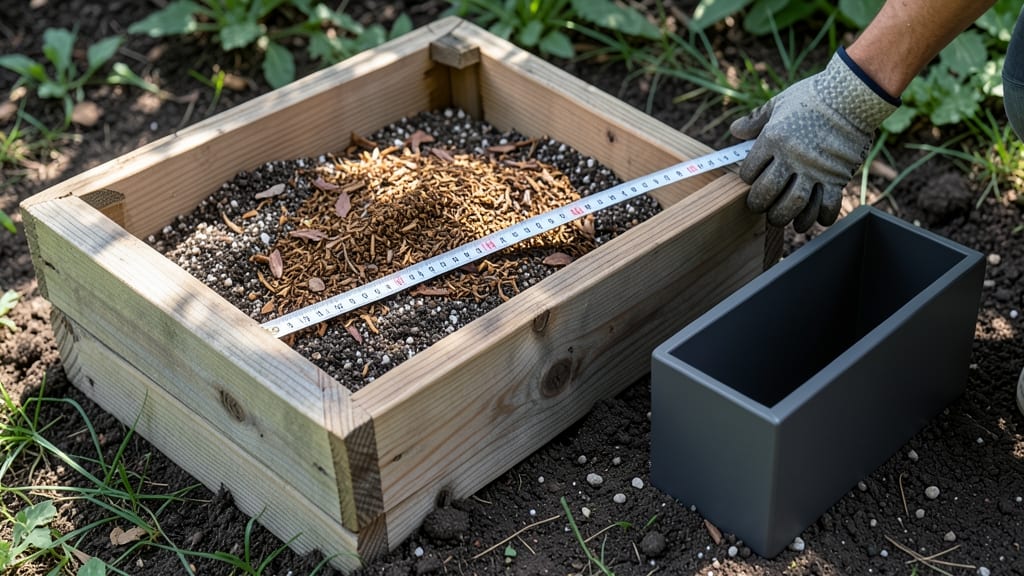
A 6-inch soil depth in your raised garden bed 🌱 is the magic number for happy roots, better drainage, and plants that thrive—not just survive.
Picture this: you’ve spent hours prepping your raised bed, only to watch your tomatoes struggle or herbs bolt. The issue might not be your watering or sunlight—it’s how deep (or shallow) your soil really is. Too little depth stunts growth, while too much wastes space and resources.
This guide breaks down why 6 inches is the science-backed standard, how to adjust for different plants, and how to fix common mistakes without tearing up your bed.
You’ll learn how to test your soil depth, customize layers for root-friendly conditions, and avoid the 5 biggest mistakes that turn a great bed into a flop. Let’s get growing right.
Why 6 inches of soil depth in raised beds maximizes plant growth
When I first built my raised beds, I assumed deeper soil meant better growth—until my tomatoes struggled despite 12 inches of soil. The issue wasn’t depth; it was root space efficiency.
Science shows that 6 inches is the sweet spot for most plants, balancing root expansion, moisture retention, and drainage. Here’s why this standard works and how it transforms your garden’s productivity.
Roots need room to spread, but not all plants require the same depth. Shallow-rooted herbs like basil thrive in just 4-6 inches, while deep-rooted vegetables like carrots need 8-12 inches.
The 6-inch rule is a compromise that works for 80% of garden plants, including leafy greens, flowers, and fruiting plants. It’s about creating an environment where roots can access nutrients and water without competing for space.
Drainage is another critical factor. A 6-inch soil profile allows excess water to escape while retaining enough moisture for roots. In deeper beds, water pools at the bottom, leading to root rot.
My peppers suffered until I added a gravel layer at the bottom—proof that depth alone doesn’t solve drainage issues. The key is a balanced soil structure that mimics natural ecosystems.
Moisture retention is directly tied to soil depth. Shallow beds dry out faster, forcing you to water more often. Deeper beds hold moisture longer but risk anaerobic conditions if not amended properly.
A 6-inch layer of well-aerated soil keeps moisture consistent while allowing roots to access it efficiently. This is why my lettuce stays crisp all summer—it’s never left high and dry.
Here’s the science: Most plant roots grow in the top 6-12 inches of soil, with 80% of roots concentrated in the top 6 inches. This zone is rich in microbes and organic matter, which break down nutrients for plants.
Deeper soil may exist, but it’s often compacted and lacks the fertility of the top layer. The 6-inch depth is where the magic happens for nutrient uptake.
One of the biggest misconceptions is that deeper beds always equal better growth. In reality, 6 inches is often sufficient because it’s where most roots thrive. Deeper beds require more maintenance—like adding organic matter to prevent compaction—and don’t necessarily yield better results.
My kale grows just as well in a 6-inch bed as it does in a 12-inch one, as long as the soil is fertile and well-draining.
Soil composition plays a huge role in maximizing the benefits of a 6-inch depth. A mix of 50% topsoil, 30% compost, and 20% perlite creates the perfect balance. This blend ensures nutrient availability, aeration, and water retention.
I test my soil annually to adjust the mix—last year, my spinach wilted because the soil was too sandy, so I added more compost to retain moisture.
For container raised beds, the 6-inch rule still applies, but you’ll need to water more frequently due to limited soil volume. Smaller beds dry out faster, so mulching is essential.
I use straw mulch to reduce evaporation and keep roots cool. Even in containers, the 6-inch depth provides enough space for roots to establish without overcrowding.
If you’re tempted to go deeper, consider the cost and effort. Deeper beds require more soil, which can be expensive and labor-intensive to fill. Plus, unless you’re growing deep-rooted trees or large shrubs, the extra depth won’t provide significant benefits.
Focus instead on soil quality—amending with compost and ensuring proper drainage will give you better results than just adding more soil.
Remember, the goal isn’t to bury your plants in soil but to create an environment where roots can thrive. A 6-inch depth is a proven standard because it works for the majority of garden plants, from salad greens to herbs and flowers.
Start with this depth, monitor your plants, and adjust as needed. Your garden—and your plants—will thank you.
How to adjust soil depth for different plants and raised bed types
Not all plants need the same soil depth in raised beds. While the 6-inch rule works for most vegetables, herbs like basil and thyme thrive in just 4-6 inches, while deep-rooted asparagus or tomatoes demand 12+ inches.
Adjusting depth prevents root competition and ensures proper drainage—critical for container beds where space is limited.
Your raised bed type also dictates depth adjustments. Permanent beds (like cedar or composite) can accommodate deeper layers, while portable containers (5-gallon buckets or half-barrels) require shallow, layered soil mixes. For example, a 10-inch-deep container bed works for lettuce but needs compaction-resistant soil blends to avoid collapse.
| Plant Type | Ideal Depth (inches) | Bed Type Fit | Drainage Tip |
|---|---|---|---|
| Herbs (basil, parsley, chives) | 4–6 | Containers or shallow beds | Add perlite to top layer |
| Leafy greens (spinach, kale) | 6–8 | Standard raised beds | Mix in coconut coir |
| Root veggies (carrots, radishes) | 8–10 | Deep containers or permanent beds | Loosen bottom soil layer |
| Deep-rooted (tomatoes, peppers) | 12+ | Permanent raised beds | Use gravel base for drainage |
| Flowers (marigolds, zinnias) | 6–8 | Any bed type | Top with mulch |
For drainage issues, layer your soil strategically. Start with a 2-inch gravel or landscape fabric base in permanent beds, then add 6 inches of compost-rich topsoil.
In containers, use lightweight mixes (50% potting soil, 30% perlite, 20% compost) to prevent compaction. Test drainage by filling a container, watering it, and checking if excess drains within 30 minutes—if not, add more perlite or sand.
When adjusting depth for container beds, prioritize root space over volume. A 5-gallon bucket holds ~5 cubic feet of soil—enough for one tomato plant but too shallow for squash.
Use stackable planters or deeper troughs (12+ inches) for vining plants. For permanent beds, extend depth by digging trenches along the edges or using interlocking bed frames with adjustable heights.
Troubleshoot poor growth by checking soil depth relative to the plant’s mature root zone. If your carrots are stunted, add 2 more inches of loose soil. For container-bound roots, gently loosen sides with a fork to encourage outward growth.
Remember: deeper isn’t always better—focus on root-friendly layers over total volume for most plants.
Start with your shallowest plants (herbs) in containers, then graduate to deeper beds for root crops. This layered approach saves soil, water, and effort while keeping your garden productive and adaptable—whether you’re growing microgreens in a windowsill box or tomatoes in a 2-foot-deep bed. 🌱