
Light Requirements
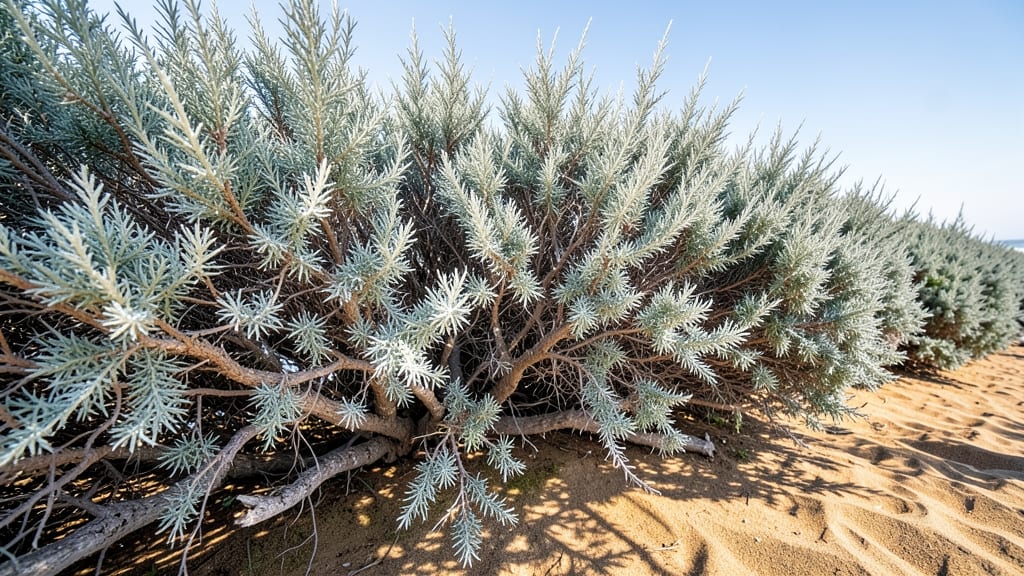
Struggling to grow plants in sandy, sun-drenched coastal gardens? These 10 resilient plants thrive in poor soil and blazing conditions while adding texture, color, and beauty to your landscape—no extra watering required.
Sea Oats Coastal Grass for Windbreaks
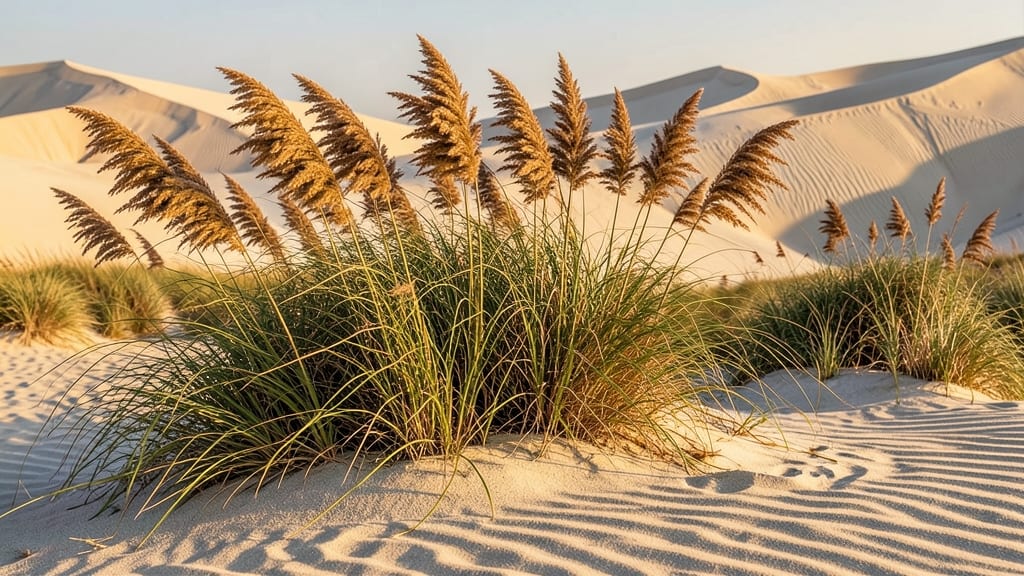
Tired of battling wind and shifting sand on your coastal property? Sea oats (Uniola paniculata) is your natural solution—a native grass that doesn’t just survive the elements but thrives in them, offering both beauty and function.
This 6-foot-tall ornamental grass grows naturally in sandy dunes, where its deep roots stabilize soil and its dense clumps block harsh winds. It requires almost no maintenance once established, tolerating full sun and salt spray while providing year-round structure with golden plumes in autumn. Plant it in clusters along property edges or near driveways for maximum impact.
Perfect for large properties or beachfront lots, sea oats transforms chaotic sand into a serene, structured landscape while supporting local ecosystems. 🌱
Lavender for Fragrant Drought Resistance
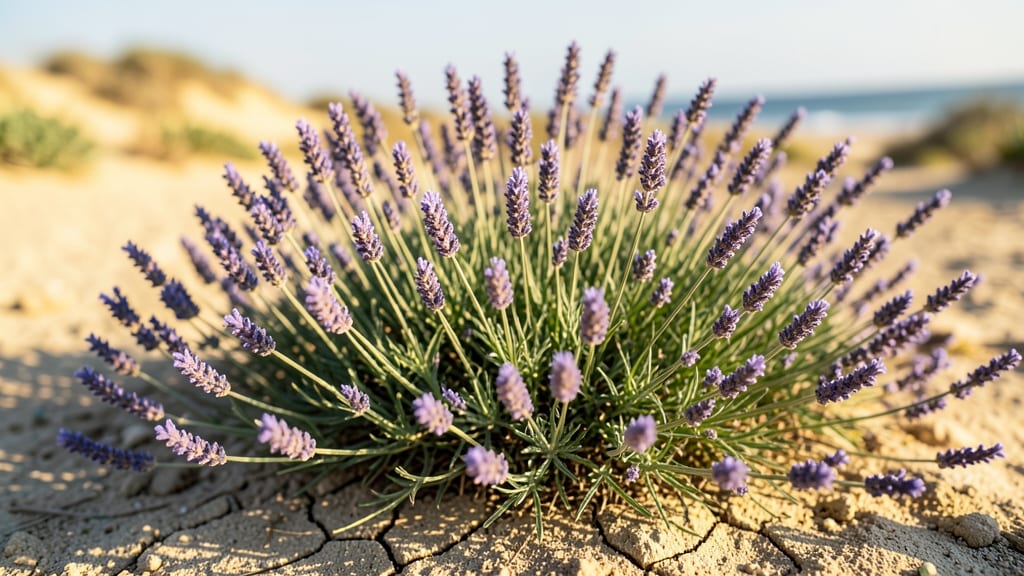
Tired of struggling with thirsty plants that wilt in sandy soil? Lavender is your secret weapon—it thrives on neglect, repels pests, and fills your garden with a soothing fragrance that doubles as natural bug spray.
This drought-resistant beauty loves sandy soil and full sun, needing water only when the top inch feels dry. Plant it in borders or containers for a pop of purple, and watch bees and butterflies flock to its blooms. Bonus: The scent alone deters mosquitoes and fleas, making it a multi-purpose powerhouse.
Perfect for beginners or busy gardeners, lavender’s low-maintenance charm and calming aroma make it a must-have for any sun-drenched garden. 🌿
Ice Plant Succulent for Ground Cover
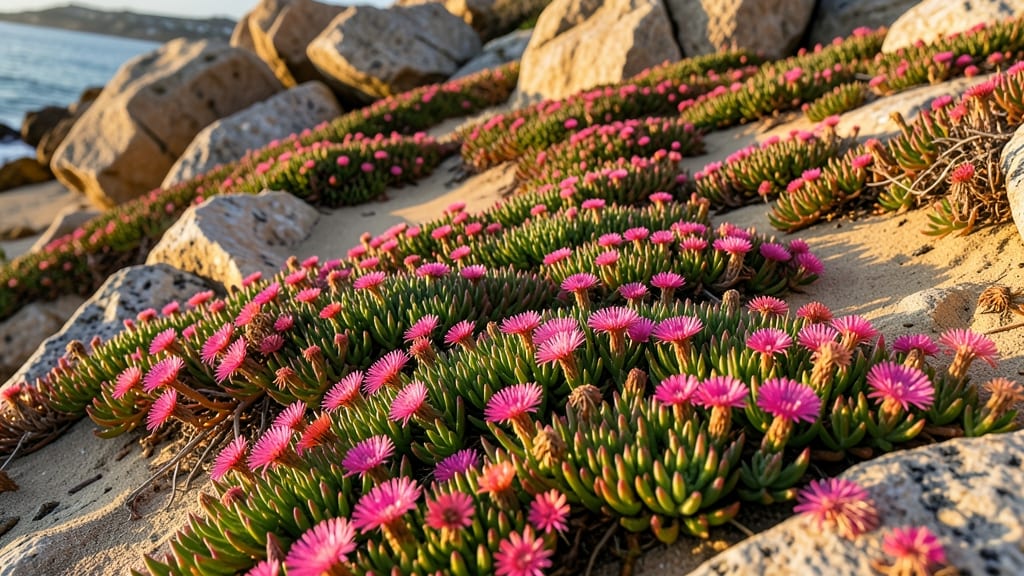
Turn rocky slopes or bare patches into a vibrant tapestry with ice plant (Delosperma)—a fast-spreading succulent that thrives where nothing else will. Its bright magenta or pink flowers bloom spring through fall, turning even the driest spots into a riot of color with almost no effort.
This salt-tolerant ground cover handles extreme heat, poor soil, and sandy conditions like a champ, making it perfect for coastal gardens or rocky landscapes. Plant it in full sun and water only when the soil is completely dry—it stores moisture in its thick leaves. Ice plant also spreads aggressively, filling gaps between rocks or stabilizing slopes naturally.
Perfect for low-maintenance gardeners, coastal homeowners, or anyone tired of barren patches, this succulent adds year-round interest with minimal care. Just watch out—it can be invasive in some climates! 🌻
Yucca Plants for Architectural Drama
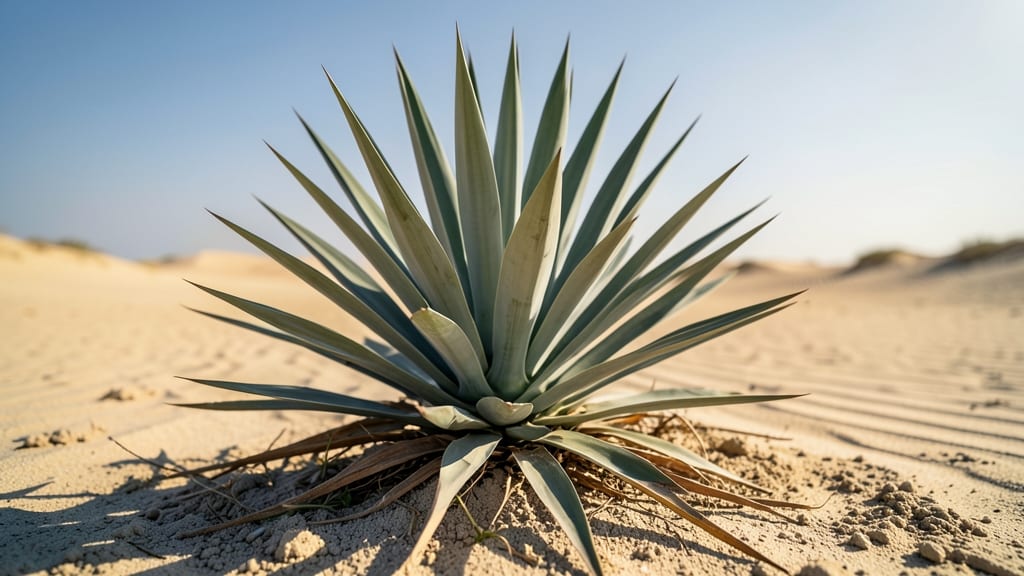
Tired of struggling with floppy, flimsy plants in your sandy garden? Yucca plants bring bold, architectural drama with their rigid, sword-like foliage that stands tall even in harsh conditions. These evergreens thrive in full sun and sandy, alkaline soils—making them perfect for coastal or desert landscapes.
Yucca plants require almost no maintenance once established, needing water only when the soil is completely dry. Their deer-resistant nature means you won’t have to worry about hungry wildlife munching on your garden’s centerpiece. Choose from varieties like Yucca filamentosa for delicate threads on leaf edges or Yucca rostrata for a dramatic, spiky silhouette.
Perfect for gardeners who want striking visual impact with minimal effort, yucca plants add year-round structure to borders, containers, or even as standalone focal points. 🌿
Rosemary for Edible Landscaping
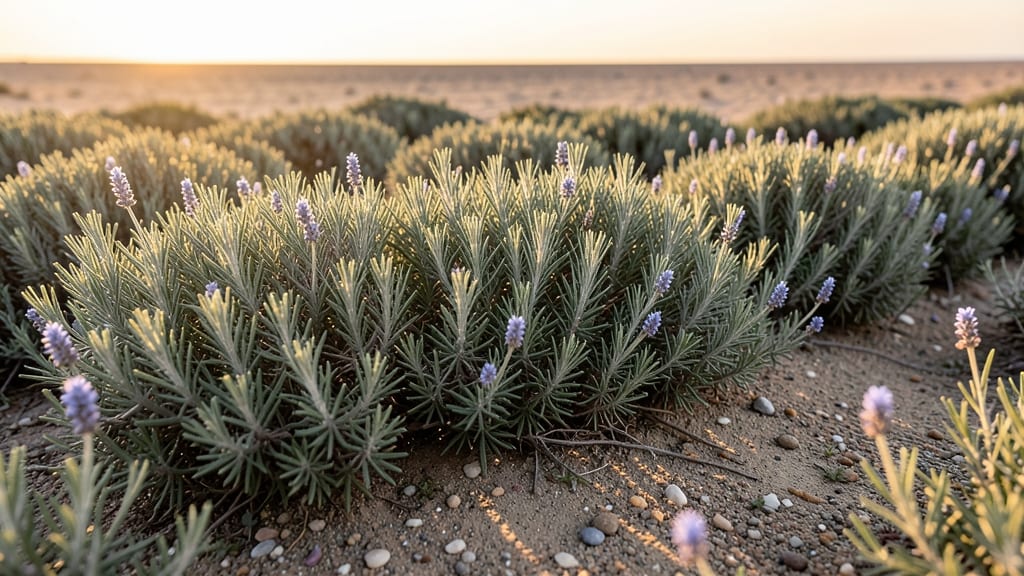
Want a fragrant, edible border that thrives in sandy soil and full sun? Rosemary is your answer—this hardy herb spreads into a lush ground cover while keeping pests away and filling your kitchen with flavor.
Plant rosemary in well-draining sandy soil with at least 6 hours of sun daily. It tolerates drought once established and even repels mosquitoes with its strong scent. Prune lightly after harvest to encourage bushier growth, and watch it spread naturally over time.
Perfect for coastal patios or herb gardens, rosemary adds both beauty and utility—no extra watering or fuss required. 🌿
Blanket Flower for Long-Blooming Color
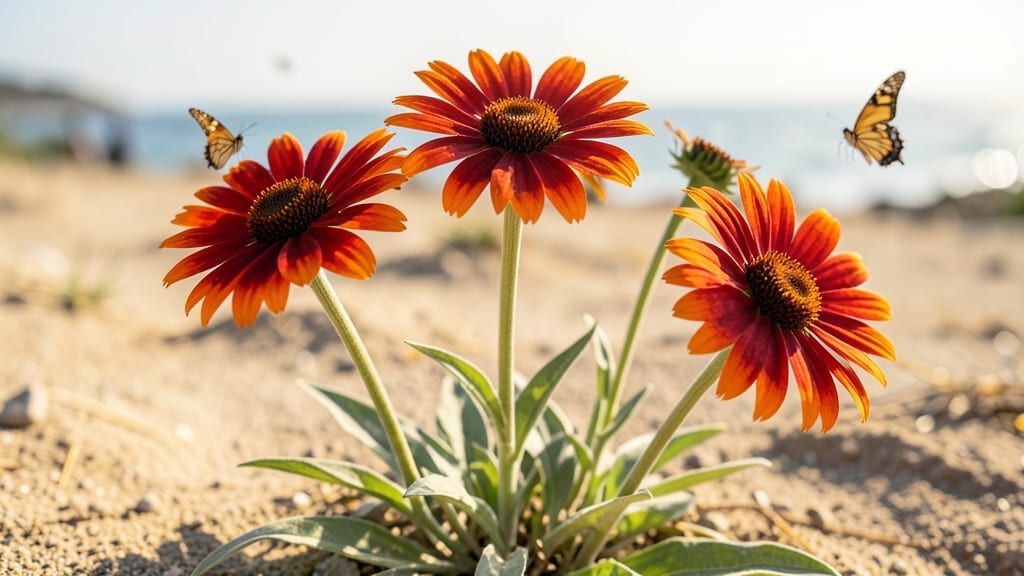
Want a plant that blooms all summer without fuss while attracting butterflies to your sandy garden? Blanket flower (Gaillardia) delivers bright orange-red daisies that thrive in full sun and poor soil—no pampering required.
This drought-tolerant perennial handles heat, sandy soil, and even light foot traffic, making it ideal for borders or wildflower meadows. Deadhead spent blooms to encourage reblooming until frost, and watch pollinators flock to its cheerful flowers. Plant seeds directly in spring for fast results—it self-seeds easily in favorable conditions.
Perfect for beginners or busy gardeners, blanket flower adds long-lasting color with almost no maintenance. 🌻
Russian Sage for Airy Elegance
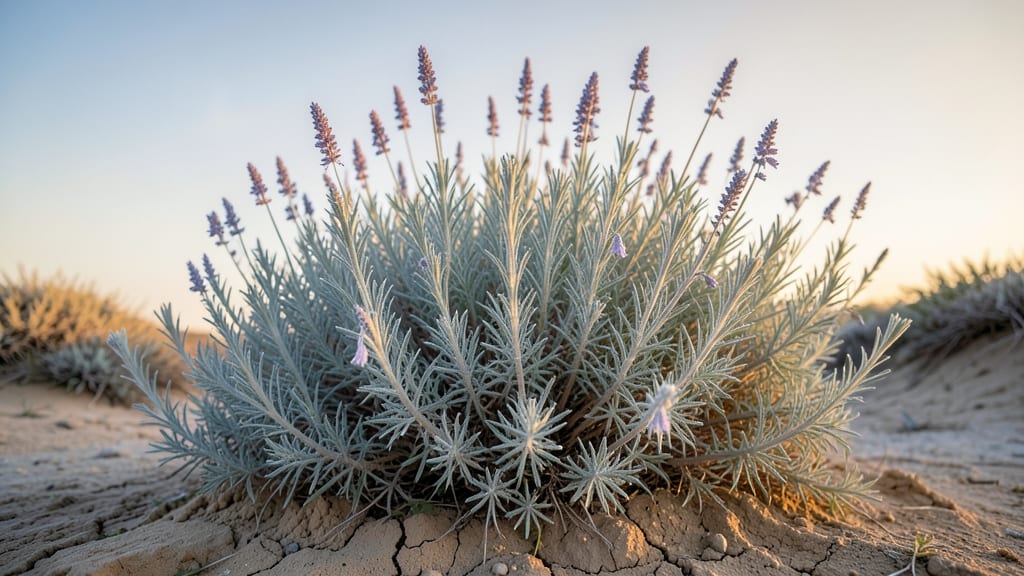
If you crave a plant that feels like a breath of fresh air in your garden, Russian sage delivers with its silvery-blue foliage and delicate lavender blooms. Unlike many coastal plants, it thrives in poor, sandy soil while requiring almost no water once established—making it a dream for low-maintenance gardeners.
This hardy perennial reaches 3-5 feet tall, creating soft vertical lines that contrast beautifully with spiky succulents like agave or bold grasses. The flowers bloom from mid-summer through fall, attracting pollinators without needing extra care. Russian sage also handles heat and drought like a champ, staying lush even when other plants wilt.
Perfect for adding ethereal texture to borders, mixed containers, or even as a backdrop for roses, this plant is especially great for urban gardeners with limited space or those who want to reduce water usage. 💚
Agave for Modern Desert Vibes
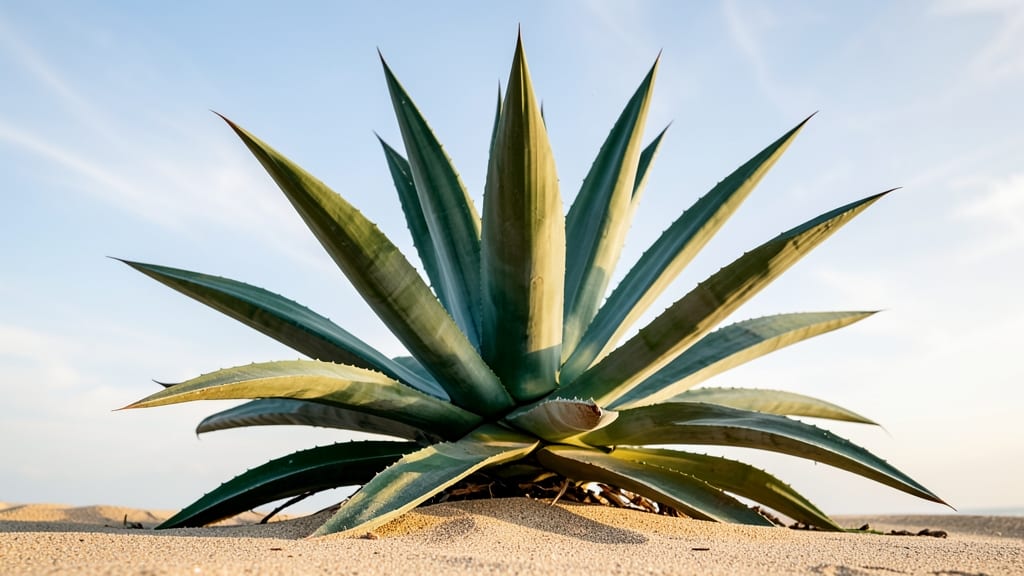
Want a plant that looks like a modern sculpture while requiring almost no care? Agave delivers bold, architectural foliage that thrives in sandy soil and full sun—making it the perfect statement piece for coastal gardens.
These succulent wonders store water in their thick leaves, so they need watering only every 2-3 weeks (or less in extreme heat). Their sharp, geometric rosettes create striking visual contrast against softer coastal plants like sea oats or Russian sage. Varieties like Agave americana or Agave parryi add texture and height to mixed borders.
Urban gardeners and minimalist designers will love how agave elevates modern landscapes with its low-maintenance elegance. Just be mindful—some varieties produce dramatic flower spikes before dying, but they’re worth the temporary show! 🌻
Beach Sunflower for Quick Impact
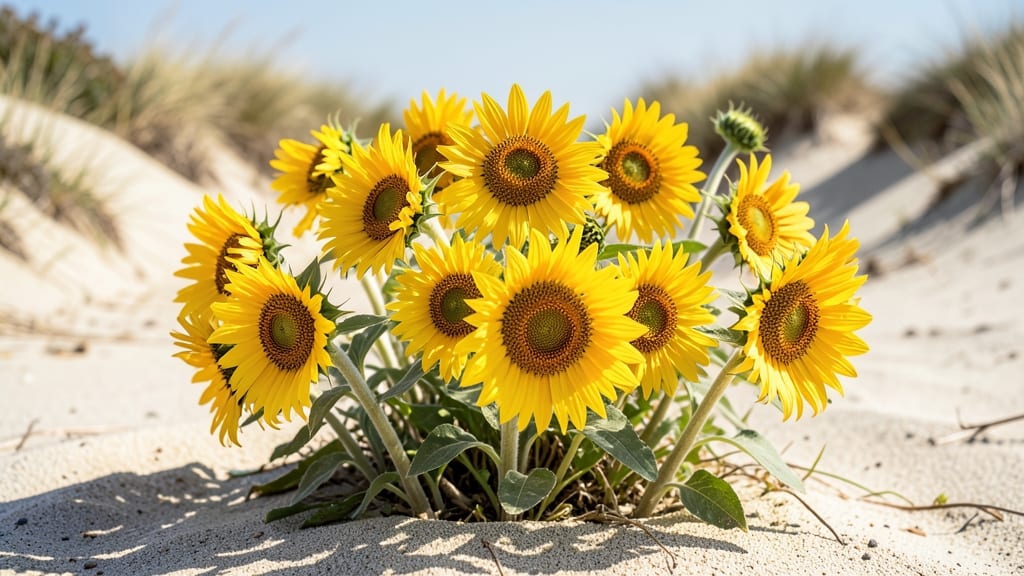
Want instant color in your sandy garden without the fuss? Beach sunflower (Helianthus debilis) blooms in just 6-8 weeks, transforming bare spots into cheerful yellow displays that attract birds and butterflies. This self-seeding annual thrives in full sun and tolerates poor, sandy soil—no amendments needed.
Plant seeds directly in sandy areas from spring to early summer, spacing them 12-18 inches apart. Once established, beach sunflowers require minimal water—just enough to keep the soil lightly moist until roots develop. Their cheerful blooms last through summer, and dropped seeds often reseed naturally for next year’s display.
Perfect for beginners or busy gardeners, this low-maintenance beauty adds instant vertical interest to coastal landscapes while supporting local wildlife. 🌻
Coastal Juniper for Evergreen Structure

If you need a year-round privacy screen that doesn’t require constant watering, coastal juniper is your answer. This hardy evergreen thrives in full sun, sandy soil, and even tolerates salt spray, making it ideal for seaside properties. Unlike other plants, it stabilizes shifting sand with its deep roots while providing a lush, green backdrop.
Plant coastal juniper in well-drained soil and space shrubs 3-5 feet apart for a dense hedge. Prune lightly in late winter to maintain shape, but avoid heavy cuts—this shrub prefers minimal intervention. Varieties like Juniperus conferta or Juniperus horizontalis offer different textures, from low-spreading ground covers to tall, upright forms for windbreaks.
Perfect for homeowners along the coast, coastal juniper delivers low-maintenance beauty without sacrificing structure or resilience. 🌿