
How To
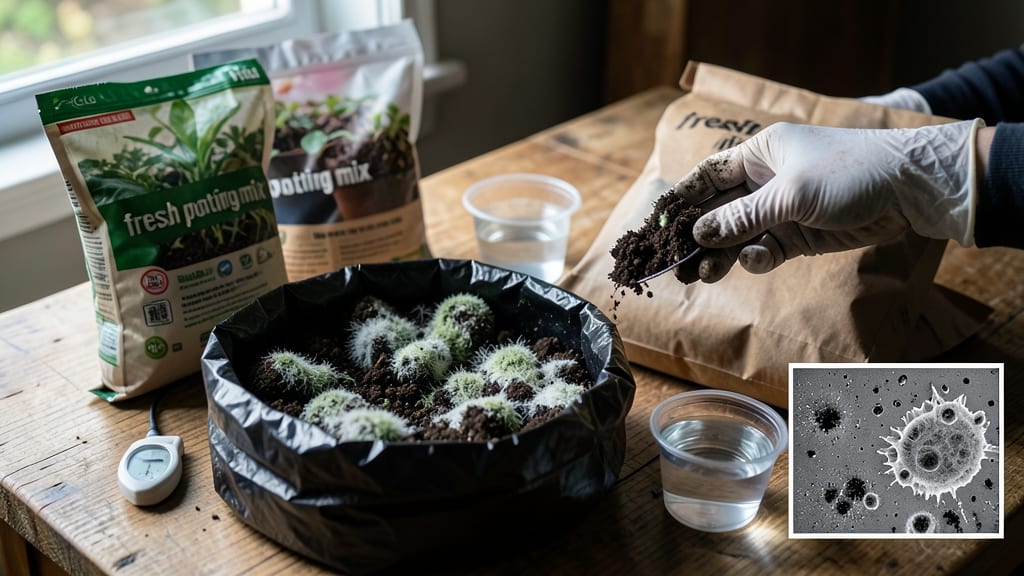
A moldy potting soil bag can ruin your planting plans—but it doesn’t have to. 🌱 I’ve salvaged more soil than I’d like to admit, and these three steps turn a smelly mess into usable mix (or at least teach you what to avoid next time).
The key? Acting fast before the mold spreads to your plants.
Mold thrives when soil stays damp too long, whether from poor storage, expired bags, or condensation during shipping. That fuzzy green or black growth isn’t just unsightly—it can harm roots if used directly.
The good news? Most moldy soil can be dried out and repurposed safely, as long as you catch it early and know what to do.
Start by spreading the soil in a thin layer on a baking sheet or tarp, then bake it at 200°F for 30 minutes to kill mold spores. Once cool, sift out any remaining debris—what’s left can go in your compost pile or be mixed with fresh soil for non-edible plants.
For severe cases, toss it entirely and start fresh.
Prevention is easier: store bags in a cool, dry place (like a garage, not your basement), check expiration dates, and open sealed bags only when ready to use. A little caution now means no more wasted soil—or disappointed seedlings.
The Hidden Triggers Behind Fungal Growth
If you’ve ever opened a bag of potting soil only to find it covered in mold, you’re not alone. This common issue isn’t just unsightly—it can harm your plants and even pose health risks.
But what’s really causing that fuzzy, green, or black growth? Let’s break down the science behind why your potting soil goes bad.
Mold thrives in damp conditions, and potting soil is a perfect breeding ground when it stays too wet. Here’s why:
- Poor Drainage: If the soil mix lacks perlite, vermiculite, or sand, water pools instead of draining. Overwatering or using a container without drainage holes makes it worse.
- Sealed Packaging: Many potting soil bags are sealed tightly to preserve freshness, but this creates a humid microclimate. Once opened, moisture gets trapped inside the bag, especially if stored in a damp basement or garage.
- Condensation Buildup: If you store the bag in a cold environment (like a garage in winter), condensation forms on the inside when it warms up—ideal for mold spores to sprout.
Pro Tip: 💡 Always check for drainage holes in pots, and avoid letting soil stay soggy for more than a few days after watering.
Mold isn’t the only organism that grows in soil—beneficial microbes and fungi do too. But when soil becomes compacted or waterlogged, oxygen levels drop, creating the perfect storm for harmful mold:
- Compacted Soil: Heavy or clay-based potting mixes compress over time, squeezing out air pockets. This anaerobic (low-oxygen) environment favors mold over healthy soil bacteria.
- Organic Matter Breakdown: Fresh compost or peat moss can ferment if not balanced with bulkier materials (like coconut coir or bark), releasing heat and moisture that speed up mold growth.
- Sealed Storage Bags: Even after opening, if the bag isn’t stored in a dry, well-ventilated area, stale air and trapped moisture accelerate mold development.
Pro Tip: 🌡️ Fluff soil before use and mix in coarse materials (like orchid bark or perlite) to improve aeration.
Mold spores are everywhere, but they only become a problem when conditions are just right. Temperature and humidity play a huge role:
- Ideal Temperature Range: Most mold species grow best between 77–86°F (25–30°C). Storing potting soil in a warm basement, garage, or near a heater turns it into a mold hotspot.
- Humidity Levels: Mold spores activate when humidity exceeds 60%. If your storage area feels damp (like a bathroom or unventilated shed), the soil inside the bag is at risk.
- Sunlight Exposure: While sunlight can kill some mold, it also heats up sealed bags, creating a steamy environment that encourages growth.
Pro Tip: ✨ Store potting soil in a cool, dry place (like a closet with a dehumidifier) and avoid direct sunlight.
Soil chemistry matters more than you might think. Mold flourishes when the balance is off:
- High Nitrogen Content: Fresh manure or synthetic fertilizers with high nitrogen can create a "feast" for mold, as it fuels rapid microbial activity.
- Acidic pH Levels: Peat moss and pine bark lower soil pH, which some mold species (like Phycomycetes) prefer. Aim for a neutral pH (6.0–7.0) to deter unwanted growth.
- Lack of Fungicides: Many pre-mixed potting soils contain fungicides to prevent mold. If you’re using organic or homemade mixes, they’re more susceptible without additives.
Pro Tip: 🎯 Test your soil’s pH and amend with lime (to raise pH) or sulfur (to lower it) if needed.
Understanding these triggers is the first step to preventing moldy soil. Next, we’ll show you how to revive affected soil—or better yet, stop it before it starts!
Revive & Prevent Fungal Soil Issues
Now that you know why your potting soil bag turned moldy, let’s tackle the problem with practical, step-by-step solutions. Whether your soil is damp, smelly, or covered in fuzzy growth, these fixes will help you reclaim healthy soil for your plants—plus, we’ll share tips to keep it fresh for longer.
Before you can fix the problem, you need to identify the severity of the mold. Here’s how to handle it:
- 👨🍳 Check for Severity If the mold is only on the surface or limited to a small area, you can salvage most of the soil.
However, if the entire bag smells musty, feels slimy, or has deep fungal growth, it’s best to discard it entirely to avoid spreading spores to other plants.
- 🔪 Trim Away the Bad If only parts of the soil are affected, use a clean pair of scissors or a knife to cut out the moldy sections. Avoid stirring up spores—this can contaminate the rest of the soil.
- 🧼 Disinfect Your Tools After handling moldy soil, wash your tools with a 10% bleach solution (1 part bleach to 9 parts water) or soapy water. This prevents cross-contamination.
Once you’ve removed the worst of the mold, it’s time to restore balance to your soil. Here are three proven methods to revive it:
💡 Method 1: Baking Soda Treatment (For Mild Mold)
Baking soda is a gentle yet effective way to neutralize pH imbalances and inhibit fungal growth.
- Mix 1 tablespoon of baking soda into 1 gallon of water.
- Stir thoroughly and pour the solution over the soil, ensuring it’s evenly distributed.
- Let it sit for 24 hours, then replant or use the soil as usual. - Pro Tip: 🌡️ Test the soil’s moisture after treatment—baking soda can dry it out if overused.
🍄 Method 2: Hydrogen Peroxide Rinse (For Stubborn Fungus)
Hydrogen peroxide is a natural disinfectant that kills mold spores without harming plants.
- Dilute 3% hydrogen peroxide with water (1 part peroxide to 3 parts water).
- Pour the solution over the soil and mix gently with a clean stick or spoon.
- Let it sit for 10-15 minutes, then drain excess liquid (don’t let it sit too long—it can harm roots).
- Air-dry the soil in a sunny spot for a few hours before reuse. - Pro Tip: ✨ Use this method for heavily contaminated soil—it’s stronger than baking soda but still safe.
🌿 Method 3: Compost Tea or Beneficial Microbes (For Long-Term Health)
If your soil is frequently mold-prone, boost its natural defenses with beneficial microbes.
- Brew compost tea by steeping 1 cup of finished compost in 1 gallon of water for 24-48 hours.
- Strain out solids and pour the tea over the soil.
- Add a microbial inoculant (like Mycorrhizal fungi or Bacillus subtilis) to outcompete harmful mold. - Pro Tip: 🎯 Use this method as a preventive measure—healthy soil resists mold better!
Even after treatment, improper storage can lead to repeat mold outbreaks. Follow these must-do tips to keep your soil fresh:
- 📦 Use Airtight Containers Transfer soil into sealed plastic bins or buckets with a lid to minimize moisture exposure.
- 🌡️ Keep It Dry Store soil in a cool, dry place (like a basement or garage). Avoid humid areas like bathrooms or kitchens.
- 💨 Add a Desiccant Place a silica gel packet or uncooked rice in the storage container to absorb excess moisture.
- ☀️ Refresh Before Use Before repotting, fluff the soil and let it sit in a sunny spot for a few hours to dry out any lingering dampness.
- 🔄 Rotate Your Stock If you have multiple bags, use the oldest soil first to prevent long-term storage issues.
Sometimes, no amount of treatment will save severely moldy soil. If you notice: ✅ Black, slimy mold (not just surface fuzz) ✅ A rotten, ammonia-like smell ✅ Visible insect activity (like fungus gnats)
…it’s time to compost the soil and buy new potting mix. Your plants will thank you!
Final Thought: With the right treatment and storage habits, you can turn moldy soil into healthy, thriving growing medium—no waste, just green thumbs! 🌱💚
Frequently asked questions
Can I still use potting soil that has mold on the surface?
Only if the mold is superficial and limited to a small area. For surface mold, spread the soil in a thin layer and bake at 200°F for 30 minutes to kill spores. If the soil smells musty or has deep fungal growth, discard it completely—mold can harm plant roots and spread to other containers.
Why does my potting soil get moldy even when I store it in a dry place?
Sealed bags trap moisture, creating the perfect environment for mold. Even in dry storage, condensation inside the bag from temperature changes can trigger growth. Open the bag and spread the soil to dry before storing in airtight containers with a desiccant (like uncooked rice) to absorb excess moisture.
Is baking soda safe to treat moldy potting soil?
Yes! Mix 1 tablespoon of baking soda with 1 gallon of water and pour it over the soil. Let it sit for 24 hours before using. This neutralizes pH imbalances and inhibits mold, but avoid overusing it—too much can dry out the soil.
How can I tell if my moldy soil is salvageable?
Check for these signs: if the mold is only on the surface and the soil still smells fresh, it’s likely fine. If it’s slimy, black, or has a rotten smell, compost it instead. For questionable cases, bake it at 200°F for 30 minutes to sterilize before reuse.
Will hydrogen peroxide kill all mold in my potting soil?
Diluted 3% hydrogen peroxide (1 part to 3 parts water) is effective for stubborn mold. Pour it over the soil, let it sit for 10-15 minutes, then drain and air-dry. While it kills most spores, severe cases may still need composting—always inspect the soil after treatment.