
Pests and Diseases
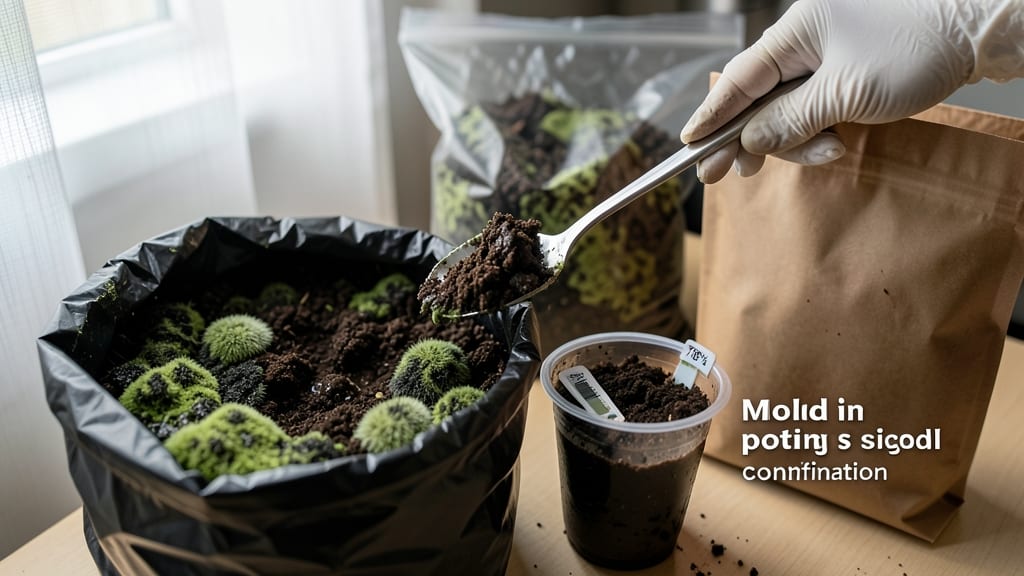
Finding fuzzy green mold creeping across your potting soil bag is one of those gardening moments that makes you question everything. 🌱 I’ve stared at that same sight more times than I’d like to admit, but here’s the good news: most of the time, it’s not a dealbreaker—just a sign your soil needs a little TLC before it’s plant-ready.
The mold usually shows up because soil sits too damp or in a sealed bag for too long, creating the perfect fungal party. While it’s not toxic to plants (unless it’s something nasty like Aspergillus), it can stress seedlings and compete with roots for nutrients.
The key is knowing how to dry it out safely—without losing all the good stuff your plants need.
You’ll be able to salvage that bag of soil in just a few hours with simple steps: spread it out, let it dry, and give it a good fluff. By the end, you’ll have soil that’s ready to plant without worrying about mold taking over your garden beds.
The best part? A few easy storage tweaks will keep future bags mold-free.
Whether you’re prepping for spring seedlings or just dealing with a basement stash, these methods work for any potting mix—bagged or homemade. Let’s get that soil back in action!
The Hidden Triggers Behind Soil Mold
Mold in potting soil isn’t just an eyesore—it’s a sign that your growing environment is out of balance. Understanding the root causes helps you take action before it spreads to your plants. Here’s why mold sneaks into those sealed bags, and what you can do about it.
Mold thrives in damp conditions, and potting soil bags are the perfect breeding ground when moisture gets trapped. Here’s why:
- Poor Bag Sealing: If the bag isn’t fully airtight, condensation builds up inside during storage (especially in humid climates). Over time, this excess moisture creates the ideal 60–80% humidity range that mold loves.
- Pre-Packaged Soil Moisture: Many commercial potting mixes are pre-moistened to improve shelf appeal. While convenient, this moisture can accelerate mold growth if the bag isn’t stored properly.
- Temperature Fluctuations: Moving bags between cold (like a garage) and warm (like a sunny shelf) spaces causes condensation. Think of it like a mini greenhouse—except instead of plants, mold takes over.
Actionable Fix: Store bags in a cool, dry place (like a basement or closet) and avoid stacking them where air can’t circulate. If you see condensation, unseal the bag slightly to let moisture escape.
Potting soil is packed with organic materials—compost, peat moss, bark, and even synthetic additives—that naturally decompose. While this feeds your plants, it also feeds mold:
- Microbial Activity: Bacteria and fungi (including mold) break down organic matter for energy. In a sealed bag, this process speeds up, releasing heat and moisture that further encourage mold spores to germinate.
- Older Soil = More Risk: Soil that’s been sitting for months (or worse, years) has had more time to decompose. The longer the shelf life, the higher the chance of mold colonization.
- Nitrogen-Rich Additives: Fertilizers or composted manure in the mix act as a buffet for mold. These additives are great for plants but can become a mold magnet if not balanced with proper aeration.
Actionable Fix: Use soil within 6–12 months of purchase, or opt for "extended-release" mixes designed to resist decomposition. If reviving moldy soil, mix in perlite or vermiculite to improve drainage and reduce organic matter buildup.
Mold doesn’t just need moisture—it needs warmth and stagnant air to spread. Here’s how storage habits create the perfect storm:
- Warm Storage Spaces: Attics, garages, or direct sunlight can raise the internal temperature of a soil bag. Mold spores become active at temperatures above 70°F (21°C), doubling their growth rate every 24 hours in ideal conditions.
- Sealed Plastic Bags: Most potting soil bags are made of low-permeability plastic, which traps gases (like CO₂ from decomposition) and moisture. Without airflow, anaerobic conditions develop—mold’s favorite environment.
- Stacking Bags Too Tightly: Compressing bags restricts airflow between them, creating microclimates where mold can spread from one bag to another.
Actionable Fix: Store bags in a well-ventilated area, avoid direct heat sources, and never stack them more than 2–3 bags high. If possible, transfer soil to breathable containers (like fabric grow bags) to prevent future issues.
Not all potting soil is created equal—and some formulations are more prone to mold than others. Chemical imbalances can tip the scales in favor of fungi:
- High pH Levels: Alkaline soil (pH > 7) can stress beneficial microbes while allowing mold spores to dominate. Many commercial mixes use lime or other amendments to raise pH, which can backfire if not balanced.
- Lack of Beneficial Microbes: Healthy soil has a balance of bacteria and fungi that compete with mold. Sterile or overly processed mixes (like those pasteurized to kill weeds) lack this natural defense.
- Synthetic Additives: Some soil enhancers, like urea-formaldehyde or certain wetting agents, can create an environment where mold outcompetes other organisms.
Actionable Fix: Choose mixes labeled "mold-resistant" or "sterilized with mycorrhizal fungi." If reviving moldy soil, amend it with Trichoderma or Bacillus subtilis—beneficial microbes that outcompete mold. For DIY mixes, add compost tea or worm castings to restore microbial balance.
Pro Tip: 💡 If you’re unsure whether your soil is moldy or just "old," do the squeeze test: Grip a handful of soil firmly. If it stays clumped and smells musty, it’s likely mold-infested. If it crumbles easily, it’s probably just dry or decomposed.
Fixing Fungal Soil Issues
Got moldy potting soil? Don’t toss it yet! With the right steps, you can revive your soil and prevent future fungal growth. Below, we’ll break down practical fixes based on the root cause—whether it’s excess moisture, poor ventilation, or storage problems—plus prevention tips to keep your soil fresh.
Problem: Overwatering or poor drainage creates the perfect moldy environment.
Fix It: 🔥 Dry It Out Naturally
- Spread the soil in a single layer on a baking sheet or clean towel.
- Place it in a well-ventilated area (like a sunny windowsill or under a fan).
- Let it dry for 24–48 hours, stirring occasionally to speed up the process.
🍳 Bake It (For Severe Cases)
- Preheat oven to 200°F (93°C) and spread soil on a baking sheet.
- Bake for 30–60 minutes, stirring every 10 minutes to prevent burning.
- ⚠️ Warning: Only do this if the soil has no seeds or sensitive plants—heat can kill beneficial microbes.
👨🍳 Add Absorbent Materials
- Mix in perlite, vermiculite, or sand (1 part to 3 parts soil) to improve drainage.
- Sprinkle dry coconut coir or peat moss to absorb excess moisture.
Prevent It: ✨ Use pots with drainage holes—never let soil sit in water. 🌡️ Water only when the top inch is dry—stick your finger in to check! 🎯 Avoid over-potting—too much soil retains moisture longer.
Problem: Sealed bags or dense soil trap humidity, fueling mold.
Fix It: 🔥 Fluff & Aerate the Soil
- Use a fork or chopsticks to break up compacted soil and improve airflow.
- If using bagged soil, poke holes in the bag before storing to allow ventilation.
🍳 Sift & Refresh
- Pour the soil through a fine mesh screen to remove moldy chunks.
- Discard any black, fuzzy, or musty-smelling bits.
👨🍳 Boost with Fungicides (Optional)
- Lightly sprinkle food-grade hydrogen peroxide (3%) or vinegar (1:3 ratio with water) to kill mold spores.
- Let it dry completely before repotting.
Prevent It: ✨ Store soil in breathable containers—use paper bags, mesh sacks, or open bins instead of plastic. 🌡️ Keep soil in a cool, dry place—avoid basements or garages with high humidity. 🎯 Repot every 1–2 years—fresh soil means fewer mold risks.
Problem: Factory-sealed bags can develop mold if stored improperly.
Fix It: 🔥 Sunlight & Air Cure
- Open the bag and leave it in direct sunlight for 2–3 days—UV light kills mold spores.
- Stir the soil daily to help it dry faster.
🍳 Disinfect with Natural Fungicides
- Mix 1 tsp baking soda + 1 quart water and spray lightly over the soil.
- Alternatively, use neem oil (1 tsp per gallon of water)—it’s a natural antifungal.
👨🍳 Compost the Worst of It
- If mold is widespread, use only the top layer of the bag for non-essential plants (like succulents).
- Add the rest to a hot compost pile (high heat kills mold).
Prevent It: ✨ Check bags before buying—look for damp spots, tears, or musty smells. 🌡️ Freeze moldy soil for 48 hours (if caught early) to kill spores before use. 🎯 Use soil within 6 months—older soil is more prone to mold.
Some cases are too far gone to save:
- Black, slimy mold (indicates bacterial rot).
- Soil that smells like rotten eggs or ammonia.
- Plants already showing wilting or yellowing from the mold.
If in doubt, compost it properly—don’t risk spreading spores to healthy plants!
- Test your soil’s moisture with a moisture meter or the squeeze test (damp = okay; dripping = too wet).
- Rotate your soil stock—use older bags first to avoid hoarding moldy stashes.
- Boost soil health with mycorrhizal fungi (available at garden centers) to outcompete harmful mold.
With these fixes, your potting soil can go from moldy mess to garden gold—ready for your next planting project! 🌿🔥
Frequently asked questions
Is mold in potting soil always harmful to plants?
Most common mold (like fuzzy green or white varieties) is harmless to mature plants but can stress seedlings or compete with roots for nutrients. The real concern is black, slimy mold or soil with a rotten smell—these indicate bacterial rot that can harm plants. Always inspect soil before planting.
Can I still use soil with mold if I bake it in the oven?
Yes, but with caution! Baking soil at 200°F (93°C) for 30-60 minutes kills mold spores, but it also destroys beneficial microbes. Use this method only for non-essential plants (like succulents) or if the mold is severe. For most plants, air-drying is safer and preserves soil health.
How do I know if my potting soil is too moldy to save?
Check for these red flags: black, slimy mold (bacterial rot), soil that smells like rotten eggs or ammonia, or plants already showing wilting/yellowing. If you see these signs, compost the soil properly—don't risk spreading pathogens to healthy plants. For mild cases, drying and aeration usually works.
Will hydrogen peroxide or vinegar really kill mold in potting soil?
A 3% hydrogen peroxide solution (1:1 with water) or vinegar (1:3 ratio) sprayed lightly over moldy soil kills spores effectively. Just let it dry completely before planting—both solutions should be used sparingly to avoid harming plants. For prevention, mix 1 tsp baking soda per quart of water as a natural fungicide.
How can I prevent mold in new potting soil bags?
Store bags in cool, dry places (like basements or closets) and avoid stacking them tightly. Poke small holes in sealed bags if you notice condensation, and use soil within 6-12 months of purchase. For long-term storage, transfer soil to breathable containers like fabric grow bags or paper sacks.