
Pests
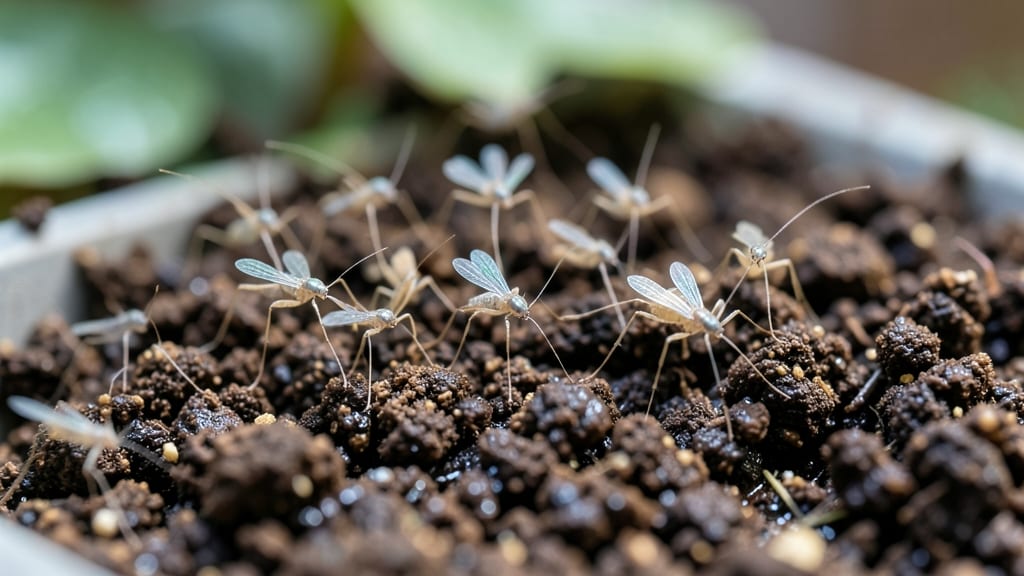
A new bag of potting soil has gnats, and your seedlings are under siege before they even sprout. 🌱 I've battled these tiny pests more times than I can count, and I'll show you how to stop them without harsh chemicals.
The problem starts when moist, organic soil becomes their perfect breeding ground—overwatering or compost-heavy mixes invite them in. Adult gnats lay eggs in damp soil, and larvae chew on roots, stunting growth. The good news? Simple fixes work fast.
You can drown larvae with hydrogen peroxide (1 part to 8 parts water), let the soil dry between waterings, or introduce beneficial nematodes that hunt them naturally. Sterile soil is the last resort, but it's worth it for high-value plants.
Once you've cleared them out, keep soil slightly dry and avoid over-fertilizing. Your seedlings will thank you with strong, healthy roots—and no more gnat infestations.
The Hidden Triggers Behind Gnats
When you open a fresh bag of potting soil and discover tiny gnats buzzing around, it’s not just bad luck—it’s usually the result of a few sneaky but predictable causes. Understanding these triggers is the first step to preventing (or eliminating) these pesky pests.
Let’s break down the science behind why fungus gnats love your new soil like an all-you-can-eat buffet. 🍽️🐞
Fungus gnats aren’t picky eaters—they thrive on decaying organic material. A new bag of potting soil might seem sterile, but many commercial mixes contain peat moss, compost, bark, or coconut coir, all of which can harbor microscopic fungi, bacteria, and decomposing plant residues.
These materials provide the perfect food source for gnat larvae, which feed on organic matter while adult gnats lay eggs in moist, nutrient-rich soil.
Even if the soil looks dry, the moisture content (often added during manufacturing) creates an ideal breeding ground. Gnats can’t survive without water, and damp soil mimics their natural swampy habitats.
If the bag was stored in a humid environment, fungal growth may have already started before you even opened it.
Actionable insight: Check the ingredient list—soils high in sphagnum peat, compost, or manure are higher-risk. If you’re sensitive to gnats, opt for sterilized or soilless mixes (like those labeled for seed starting) or blend your potting soil with perlite or vermiculite to reduce organic matter density.
Not all gnats in your new soil are hitchhikers—they might already be embedded in the mix. Many commercial soils are not heat-sterilized, meaning eggs or larvae could have survived processing.
Fungus gnat eggs are microscopic (0.1–0.3 mm) and nearly invisible, but they can remain dormant until conditions (like moisture and warmth) trigger hatching.
If the soil was stored in a warm, damp place (like a garage or basement), fungal growth could have accelerated, providing an instant food source for any latent larvae. Some bags even arrive with pre-existing fungal colonies, which attract gnats within days of opening.
Actionable insight: If you suspect dormant pests, freeze the soil for 48 hours before use (this kills eggs and larvae without chemicals). Alternatively, bake it in the oven at 200°F (93°C) for 30 minutes—just let it cool completely first!
Fungus gnats need moisture to survive, and many potting soils are pre-moistened for convenience. While this makes planting easier, it also creates a perfect breeding environment.
Adult gnats lay eggs in damp soil, and larvae thrive in waterlogged conditions. If your new soil feels soggy or has a musty smell, it’s a red flag.
Even if the soil seems dry at first, overwatering after planting can turn it into a gnat paradise. These pests can detect moisture from up to 6 inches away, so a single overwatered pot can attract a swarm within days.
Actionable insight: Before planting, let the soil dry out slightly (but not completely) to discourage egg-laying. Use a moisture meter or the "squeeze test"—if water drips out, it’s too wet. For high-risk soils, mix in sand or horticultural charcoal to improve drainage.
Fungus gnats aren’t just named after fungi—they feed on it. Many potting soils contain mycorrhizal fungi (beneficial for plants) or decomposing organic matter that fosters fungal blooms. If your soil has a white, cottony growth or a sour, earthy odor, fungi are likely thriving—and so are the gnats.
Compost-based soils are especially prone to this because composting generates heat and moisture, speeding up fungal activity. Even "sterile" looking soils can have hidden fungal threads (hyphae) that gnats detect and exploit.
Actionable insight: If you notice fungal growth, reduce watering and expose the soil to bright indirect light (fungi dislike UV exposure). For severe cases, sprinkle cinnamon or diatomaceous earth (food-grade only) on the surface to disrupt fungal networks.
Pro Tip: 💡 Prevent future infestations by storing potting soil in a cool, dry place and using sterilized containers. If you must reuse soil, solarize it (leave it in a sealed bag in the sun for 4–6 weeks) to kill pests naturally.
Quick Fixes For Fungus Gnats
Fungus gnats in your potting soil aren’t just a nuisance—they can harm your plants if left unchecked. But don’t worry! With the right approach, you can eliminate them fast and keep your garden thriving.
Below, we’ve mapped out targeted solutions based on the root cause, along with prevention tips to stop them from returning.
🍳 Trap Them Before They Bite
Fungus gnats are drawn to moisture and organic matter, so simple traps can lure them away from your plants.
- Apple Cider Vinegar Trap 🍏 Fill a small container (like a yogurt cup) with 1 inch of apple cider vinegar and a drop of dish soap. The gnats will fly in but won’t escape. Replace every 3-4 days for best results.
- Yellow Sticky Traps 🎨 Hang yellow sticky cards near your plants. Fungus gnats are attracted to yellow and will get stuck. Check and replace traps weekly to keep them effective.
- DIY Water Trap 💦 Fill a shallow dish with water and a few drops of soap. The gnats land on the water’s surface and drown. Place traps under plant saucers where gnats lay eggs.
🥘 Adjust Watering & Drainage
Gnats thrive in soggy soil, so improving drainage is key.
- Let Soil Dry Between Waterings 💧 Stick your finger 1 inch into the soil—if it’s damp, wait before watering again. Most plants prefer soil that’s slightly dry at the top.
- Repot In Well-Draining Mix 🏺 If your potting soil is too dense, mix in perlite, sand, or orchid bark (20-30%) to improve airflow. Avoid peat-heavy mixes, which hold moisture too long.
- Use A Moisture Meter 📊 A digital moisture meter ($10-$15) takes the guesswork out of watering. Aim for 40-60% moisture (varies by plant).
⏰ Kill Larvae With Natural Predators & Treatments
Since adult gnats lay eggs in moist soil, targeting larvae is the best long-term fix.
- Beneficial Nematodes (Steinernema feltiae) 🐛 These microscopic worms eat fungus gnat larvae but are harmless to plants. Mix 5-10 million nematodes per gallon of water and apply to soil. Reapply every 4-6 weeks.
- Bacillus Thuringiensis var. israelensis (Bti) 🦟 A natural bacteria (found in mosquito dunks) that kills larvae when ingested. Soak the soil with Bti solution every 7-10 days until gnats disappear.
- Diatomaceous Earth (DE) – Food Grade Only ✨ Sprinkle a thin layer of DE on top of the soil. It dehydrates larvae but won’t harm plants. Reapply after watering.
- Neem Oil Soil Drench 🌿 Mix 1 tsp neem oil + 1 tsp mild soap per gallon of water and water the soil. Neem disrupts larvae development and deters adults. Repeat every 5-7 days.
Once you’ve eliminated gnats, prevent future infestations with these habits:
- ✅ Use Sterile Potting Mix – Avoid garden soil or compost-heavy mixes (they’re gnat magnets). Opt for sterilized or coco coir-based mixes. - 🌡️ Keep Soil Warm & Dry – Gnats love cool, damp conditions.
If your home is chilly, use a heat mat for seedlings. - 🎯 Avoid Over-Fertilizing – Too much nitrogen = more gnat food.
Use a balanced fertilizer (10-10-10) and follow label instructions. - 🔄 Rotate Plant Trays – If gnats keep coming back, replace the top 1-2 inches of soil every few months. - 🍃 Use Sand Or Gravel Mulch – Top-dressing with coarse sand or gravel reduces moisture retention at the surface.
Pro Tip: 💡 If gnats persist, check for hidden moisture sources—like saucers that don’t dry out or overwatered houseplants. A little less water + better airflow goes a long way!
Frequently asked questions
Why do gnats appear in brand-new potting soil?
New bags often contain organic matter like peat moss, compost, or coconut coir that attracts gnats. These materials can harbor fungal growth or dormant eggs, which hatch when exposed to moisture during storage or after opening. Even "sterile" mixes may contain microscopic fungi that gnats feed on.
Are fungus gnats harmful to my plants?
Yes, especially to seedlings. Larvae feed on roots, stunting growth or causing wilting. While adults don't damage plants, their presence signals poor soil conditions. Young plants are most vulnerable, but even mature plants may show stress if infestations persist.
How quickly can I eliminate gnats from my soil?
With immediate action, you can see results in 3-7 days. Start with traps (apple cider vinegar or yellow sticky cards) and adjust watering. For larvae, use hydrogen peroxide (1 part to 8 parts water) or beneficial nematodes. Severe cases may take 2-3 weeks for full eradication.
Can I reuse contaminated soil after treating it?
Only if you've completely eliminated larvae and improved drainage. First, bake the soil at 200°F (93°C) for 30 minutes or freeze it for 48 hours. Then mix in perlite or sand (20-30%) to prevent future issues. Monitor closely for recurrence.
What's the best potting mix to prevent gnats?
Choose sterilized, soilless mixes labeled for seed starting. Look for blends with coco coir, perlite, and vermiculite instead of peat or compost. Avoid garden soil entirely—it's a gnat magnet. For high-risk plants, use sterile sand or gravel as a top layer.