
Neem Oil
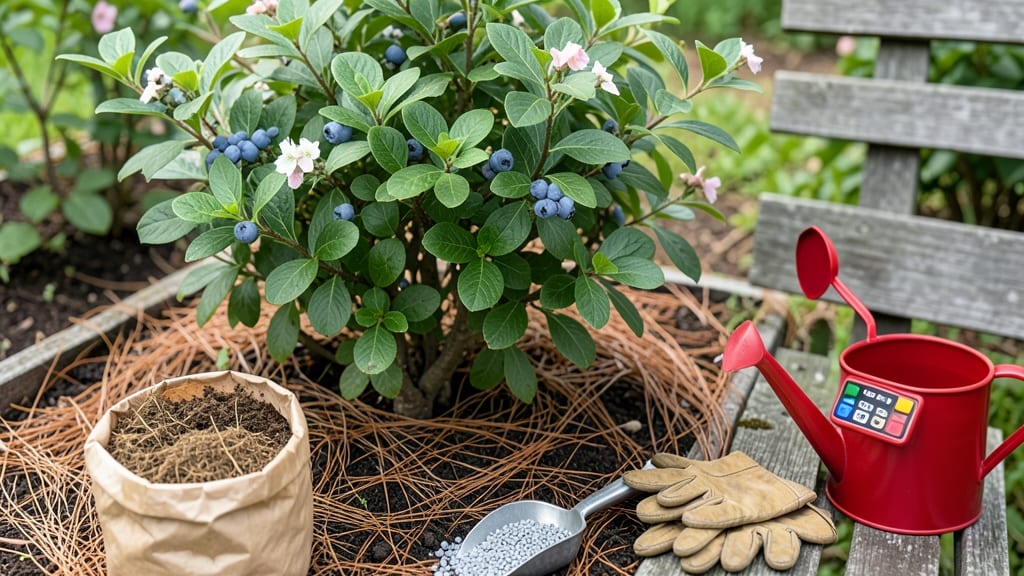
How to use soil acidifier correctly could turn your struggling blueberries and azaleas into thriving plants in just three days—if you lower that stubborn soil pH the right way. 🌿 The right soil acidifier (sulfur, aluminum sulfate, or organic options) transforms alkaline soil into the perfect acidic home for acid-loving plants, but one wrong move can burn roots or waste your time.
Start with a soil test—most garden centers offer them for under $10. You’ll need granular sulfur (slow-acting, best for long-term changes) or aluminum sulfate (fast but potent), plus a spreader or hose attachment.
The key is precision: too much drops your pH too fast, and plants suffer. Think of it like adjusting a recipe—measure twice, apply once.
For fast results, mix 10 pounds of elemental sulfur per 100 square feet into the top 6 inches of soil, then water deeply. Liquid acidifiers (like vinegar-based sprays) work for small pots but require monthly reapplication.
Within days, your plants will show signs of relief—darker leaves, new growth—and those blueberries will start looking less sad and more like the plump, juicy treats you planted for.
Watch for yellowing leaves (over-acidification) or stunted growth (under-acidification), and retest your soil in 4-6 weeks. The goal isn’t just numbers—it’s happy plants that reward you with vibrant blooms, better fruit set, and fewer pest problems. Here’s how to do it right the first time.
📚 In This Guide
- What you need
- Instructions
- Tips and common mistakes
- Wrapping up and next steps
What you need
- ● Soil acidifier (choose one): Elemental sulfur (10–20 lbs per 100 sq ft, depending on soil pH) – slow-acting but long-lasting
- ● Aluminum sulfate (5–10 lbs per 100 sq ft) – fast-acting but can over-acidify if overused
- ● Peat moss (2–3 inches spread per 10 sq ft) – organic option, improves soil structure
- ○ Sphagnum peat or pine needles (optional but helpful for mulching)
- ● Garden gloves – Protect your hands from sulfur or acidic materials.
- ● Garden rake or tiller – For mixing acidifier into the top 6 inches of soil.
- ● Soil pH testing kit – Critical! Test before and after treatment (aim for pH 4.5–5.5 for blueberries/azaleas).
- ● Watering can or hose – For hydrating soil after application (especially if using sulfur).
- ● Measuring scoop or scale – To ensure precise acidifier dosage.
- ● Lime (calcium carbonate) – For emergency pH correction if you over-acidify.
- ● Compost or well-rotted manure – To replenish nutrients after acidifying.
- ● Mulch (pine bark or oak leaves) – Slow-release acidifier over time.
- ● Plastic sheeting – To cover beds if rain is forecasted (prevents runoff).
How to use soil acidifier for acid-loving plants
Here’s the straightforward method I’ve used to transform acidic-loving shrubs in just three days.
🌱 Step 1: Test Your Soil’s Current pH
Before adding anything, grab a soil pH test kit (digital or liquid) and test the area where your blueberries or azaleas will grow. Acid-loving plants thrive in pH 4.5-5.5, so if your reading is above 6.0, you’ll need to lower it. I like to test in multiple spots—soil pH can vary even in small areas. Dig a small hole about 6 inches deep and collect a sample from the root zone of your plants.
If your test shows pH 5.5-6.0, you’ll need a moderate acidifier application. For readings above 6.0, you’ll want to apply a stronger dose. Wait at least 24 hours after watering before testing—wet soil gives inaccurate readings. This step ensures you don’t over-acidify, which can harm roots just as much as high pH.
💧 Step 2: Choose and Apply the Right Soil Acidifier
For quick results, I recommend using elemental sulfur or aluminum sulfate, both of which lower pH when broken down by soil microbes. Sulfur is slower (takes 2-3 months to fully acidify) but safer for long-term use, while aluminum sulfate works faster (within 3-7 days). For immediate results, mix ½ cup of aluminum sulfate per 100 square feet into the top 6 inches of soil.
Work the acidifier into the soil gently with a garden fork or tiller—don’t compact it. Water the area thoroughly after application to help dissolve the granules and activate the acidifying process. If you’re using sulfur, apply it in early spring or fall for best results, as it needs time to break down. Avoid applying near plant stems to prevent chemical burns.
☀️ Step 3: Monitor and Maintain pH Levels
After 3 days, retest the soil pH to check your progress. You should see a noticeable drop—if not, apply a second, lighter dose (about ⅓ of the original amount). Keep an eye on your plants: blueberries and azaleas will show improvement in 2-4 weeks with deeper green leaves and stronger growth. If the soil becomes too acidic (pH below 4.5), mix in lime to balance it back up.
For ongoing maintenance, reapply acidifier every 3-6 months or as needed, especially after rain or heavy watering, which can raise pH over time. Mulch with pine needles or oak leaves to help retain acidity naturally. This step keeps your plants thriving without overworking the soil chemistry.
✂️ Step 4: Adjust Watering and Fertilizing for Acid-Loving Plants
Once your soil pH is ideal, switch to an acid-forming fertilizer, like one labeled for azaleas or blueberries. These fertilizers contain sulfur or iron, which help maintain the right pH while feeding your plants. Water deeply 2-3 times per week during dry spells, but avoid overwatering—waterlogged soil can suffocate roots and throw off pH balance.
If you notice yellowing leaves (a sign of iron deficiency, common in acidic soils), apply a chelated iron supplement
Tips & tricks for perfect soil acidification
Transforming your garden soil for acid-loving plants takes precision—and these insights will help you avoid common pitfalls while maximizing results.
Soil Testing Accuracy: For the most reliable pH reading in Step 1, test your soil when it's completely dry. Moisture can skew results by up to 0.5 pH points, leading to incorrect acidifier applications. I recommend testing in multiple locations since pH can vary even within the same garden bed by as much as 1.0 point. This ensures you're addressing the actual conditions your plants are experiencing.
Application Technique: When applying the ½ cup of aluminum sulfate per 100 square feet in Step 2, spread it evenly across the entire area rather than concentrating it in one spot. Uneven application can create localized pH extremes that stress plants. For sulfur applications, consider using a broadcast spreader to achieve uniform coverage, especially in larger garden areas. The key is thorough distribution without compacting the soil.
Monitoring Strategy: The 3-day retest in Step 3 is crucial, but don't rely solely on the test kit. Observe your plants' physical response—blueberries and azaleas typically show visible improvement within 2-4 weeks of proper acidification, including darker green foliage and more vigorous growth. This visual confirmation helps verify that the chemical test results are translating to real plant health improvements.
Maintenance Calendar: For ongoing success after the initial 3-6 month reapplication schedule in Step 3, mark your calendar for early spring and fall—these are the optimal times to reapply acidifiers. Spring applications give plants a head start for the growing season, while fall applications allow time for the acidifier to break down before winter dormancy. This seasonal timing prevents sudden pH shifts that can stress plants during critical growth periods.
Pro Tips for Use Soil Acidifier
- Transforming your garden soil for acid-loving plants takes precision—and these insights will help you avoid common pitfalls while maximizing results.
- Soil Testing Accuracy: For the most reliable pH reading in Step 1, test your soil when it's completely dry.
- Application Technique: When applying the ½ cup of aluminum sulfate per 100 square feet in Step 2, spread it evenly across the entire area rather than concentrating it in one spot.
Frequently asked questions
Got questions about using soil acidifiers?
You’re not alone! Below are answers to the most common concerns—from timing to troubleshooting—so you can lower your soil pH like a pro.
How often should I apply a soil acidifier?
For most plants, apply a soil acidifier every 3–6 months to maintain optimal pH (4.5–5.5 for blueberries, azaleas, and rhododendrons). Test your soil first—if pH is already low, start with a lighter dose and monitor. Over-acidifying can harm roots, so consistency is key!
Can I use a soil acidifier in summer?
Yes, but timing matters! Avoid applying during extreme heat (above 85°F) or drought, as it can stress plants. Early morning or late evening applications work best. Summer is also great for foliar sprays (like diluted vinegar or sulfur solutions) if you’re in a hurry—but always water after treatment.
What’s a natural alternative to chemical acidifiers?
Skip the harsh chemicals! Try these organic options:
- Pine needles: Spread a 2–3 inch layer around plants and mulch.
- Cottonseed meal: Mix 1–2 cups per plant into the soil; it breaks down into nitrogen and acid.
- Aluminum sulfate (natural mineral): Use sparingly (follow package rates).
- Vinegar: Dilute 1 part white vinegar to 3 parts water for a quick foliar spray (test on a small area first!).
My plants look wilted after using a soil acidifier—what went wrong?
Don’t panic! Wilt can mean over-acidification or root burn. Flush the soil with water to dilute excess acid, and amend with lime or wood ash (sparingly) to raise pH. If symptoms persist, your plants may need chelated iron or a nutrient boost. Always follow label rates!
How long until I see results?
Most soil acidifiers show noticeable changes in 3–7 days, but full pH adjustment takes 4–6 weeks for deep soil layers. For fast results (like your article promises!), combine acidifiers with organic matter (like peat moss) and retest soil every 2 weeks. Patience pays off—healthy blueberries are worth the wait!
Wrapping up and next steps
Using a soil acidifier is your secret weapon for thriving acid-loving plants like blueberries and azaleas—fast! 🌱 With the right tools, a little patience, and these steps, you’ll see happier, healthier plants in just three days. Remember: test your soil first and apply gradually to avoid over-acidifying.
Now that you’re armed with knowledge, roll up your sleeves and give your garden the boost it deserves! Start with one plant and monitor its progress—your green thumb will thank you. Ready to transform your yard? Grab your soil acidifier and get growing! 🌿✨