
Blooming
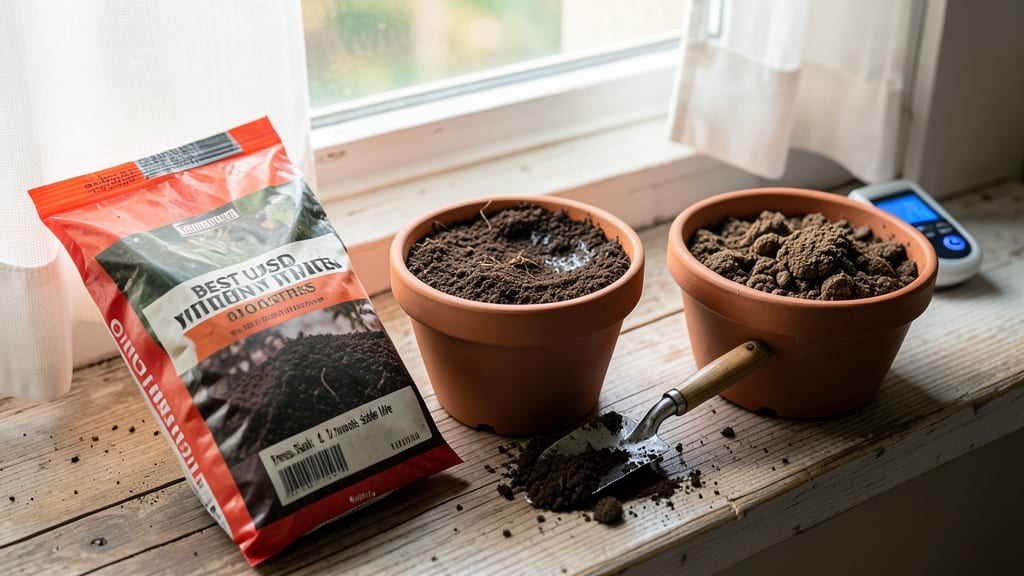
Potting soil lasts about 6 months to 1 year when stored correctly in a sealed container, but it breaks down faster in hot, damp conditions where moisture evaporates and organic materials decompose. Check for dryness or foul odors before reuse, and mix in fresh compost or perlite if needed.
Understanding why potting mix loses its effectiveness helps you maximize its lifespan. 🌱 Organic materials like peat moss or compost break down over time, losing their ability to retain moisture and nutrients—this process speeds up dramatically in warm environments.
The texture also changes as soil dries out, forming hard clumps that suffocate plant roots. For best results, store your soil in a cool, dry place and keep it in airtight bags to slow decomposition.
Even with proper storage, most potting soils eventually lose their structure. That's why many gardeners refresh their mix by adding 10-20% compost or perlite before replanting. This not only extends the soil's usability but also improves drainage and aeration for healthier plants.
The key is monitoring for signs of degradation—like a sour smell or visible mold—rather than relying solely on the calendar.
💡 In This Article
- Factors That Shorten Potting Soil Shelf Life
- Best Practices for Extending Potted Soil Freshness
Factors that shorten potting soil shelf life
The primary reason potting soil loses its effectiveness is the breakdown of organic materials. Components like peat moss, compost, and coconut coir contain living microorganisms that decompose over time, releasing nutrients but also causing the soil structure to collapse.
This process accelerates dramatically in warm environments—studies show decomposition rates can triple when stored above 75°F compared to cooler conditions (50-60°F). 🌡️ The higher temperature increases microbial activity, which consumes organic matter faster and reduces the soil's ability to retain moisture.
Moisture evaporation is another critical factor, especially in dry climates or when soil is stored in open containers. A 5-gallon bag of potting soil can lose up to 30% of its moisture within just 2 months if left exposed to air.
This drying-out creates hard clumps that suffocate plant roots, while also triggering the growth of mold and bacteria. Synthetic additives like perlite help maintain aeration, but they don't prevent moisture loss—they only mitigate some of the structural damage caused by drying.
Humidity levels play a surprising role too. In high-humidity environments, soil may not dry out as quickly, but excess moisture creates anaerobic conditions that promote foul odors and harmful microbial growth. The ideal storage balance is 40-60% humidity, which slows both decomposition and mold formation.
For example, storing soil in a basement (typically 50-60% humidity) preserves its quality longer than a damp garage (70%+ humidity).
Different soil components behave differently over time. Peat moss, for instance, can last 12-18 months in ideal conditions but breaks down in just 3-6 months when exposed to heat or moisture fluctuations. Coconut coir, while more stable, still loses its water-holding capacity after 6-9 months due to microbial activity.
The key takeaway? Soil isn't just "old"—it actively changes chemically and physically, making storage conditions the difference between usable and unusable mix.
One often-overlooked factor is oxygen exposure. When soil sits in loosely sealed bags, it oxidizes faster, losing nutrients and developing a crusty surface layer. This oxidation process is similar to how cut apples turn brown when exposed to air.
For long-term storage, reducing oxygen contact by using vacuum-sealed bags or adding a moisture barrier (like plastic wrap) can extend shelf life by up to 30%. The goal is to slow both microbial activity and physical degradation.
Finally, the presence of fertilizers or amendments can dramatically alter shelf life. Slow-release fertilizers may remain effective for months, but organic amendments like bone meal or worm castings break down quickly—sometimes within 2-3 months—releasing nutrients but also accelerating the soil's overall decomposition.
This is why pre-mixed potting soils with high organic content often come with expiration dates or usage recommendations.