
How To
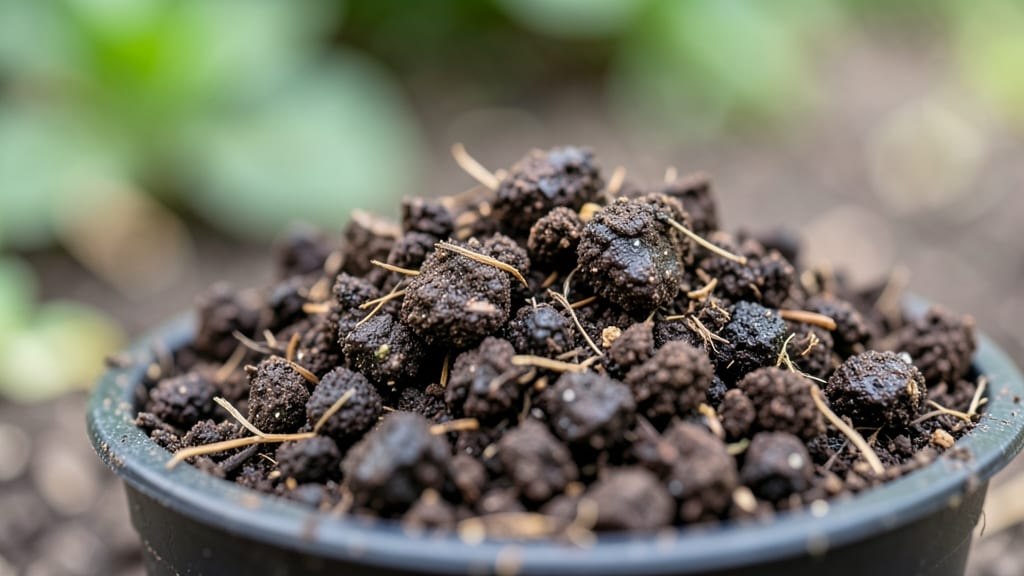
When using FoxFarm Happy Frog Potting Soil (2 cu ft), expect it to weigh between 12-16 lbs when completely dry and 18-24 lbs once moistened, with noticeable differences depending on your plants' water needs.
The weight shift happens because this blend combines coconut coir, worm castings, and perlite—ingredients that absorb and retain moisture differently than traditional potting mixes. 💫 For example, a 2-cubic-foot bag of dry Happy Frog might weigh closer to 16 lbs if you're growing moisture-loving tropicals like ferns, while the same volume could drop to 12 lbs when used for succulents that prefer drier conditions.
The organic matter in this soil actually becomes denser when hydrated, which explains why the moist weight range is so broad.
This variation matters when calculating shipping costs or planning container gardens. For instance, a 5-gallon pot filled with moist Happy Frog will feel significantly heavier than one packed with standard potting soil. Always check the moisture level before weighing—overwatered soil can add an extra 2-4 lbs to that 2-cubic-foot bag.
💡 In This Article
- How Moisture Levels Affect FoxFarm Happy Frog Soil Weight
- Best Plant Types for FoxFarm Happy Frog Soil by Weight Needs
How moisture levels affect FoxFarm Happy Frog soil weight
The weight difference between dry and moist FoxFarm Happy Frog soil comes down to its unique composition. This blend contains 40-50% coconut coir, a fibrous material that absorbs water like a sponge—holding up to 8-10 times its dry weight in moisture.
When dry, the coir fibers collapse, creating air pockets that reduce overall density. But once hydrated, these fibers expand, filling the voids and increasing the soil's bulk density by 30-50% compared to its dry state.
Worm castings in this mix add another layer of complexity. These decomposing organic materials contain 30-50% moisture naturally, which means a fresh bag of Happy Frog already starts with some pre-hydration.
When you add water, the castings absorb it while maintaining their structure, creating a lighter but more stable matrix than traditional peat-based soils. The perlite in the blend adds 15-20% by volume but contributes minimally to weight—it's mostly there to improve aeration and drainage.
Here's what happens when you water this soil: the coconut coir swells dramatically, increasing the total volume by 10-15% while adding 6-8 lbs to the 2-cubic-foot bag's weight. The worm castings retain water through capillary action, creating a sponge-like effect that keeps the soil moist longer.
This is why tropical plants like orchids or calatheas thrive—Happy Frog can hold 2-3 times more water than standard potting mixes without becoming waterlogged.
For comparison, a 2-cubic-foot bag of dry Happy Frog might weigh 14 lbs when packed tightly, but after thorough watering, that same volume could reach 22 lbs—a 57% increase.
The key difference is how the organic components interact with water: coir absorbs aggressively, castings hold moisture passively, and perlite remains structurally supportive. This combination explains why the weight range is so broad—it's not just about adding water, but how the soil's organic framework responds to hydration.
The science of this moisture retention also affects your gardening approach. For example, when transplanting moisture-loving plants, you'll need to account for the heavier moist weight when calculating container sizes. A 5-gallon pot filled with moist Happy Frog will weigh 15-20 lbs by itself—before adding plants!
This is why many growers recommend using larger containers than they would with standard soils to prevent root-bound conditions from the increased density.
One often-overlooked factor is how temperature affects moisture retention. In cooler conditions (50-60°F), Happy Frog holds 10-15% more water than at 75-85°F because the organic matter contracts slightly.
This seasonal variation can cause 2-3 lb weight fluctuations in your 2-cubic-foot bag over time—something to consider when planning winter vs. summer growing schedules.