
Neem Oil
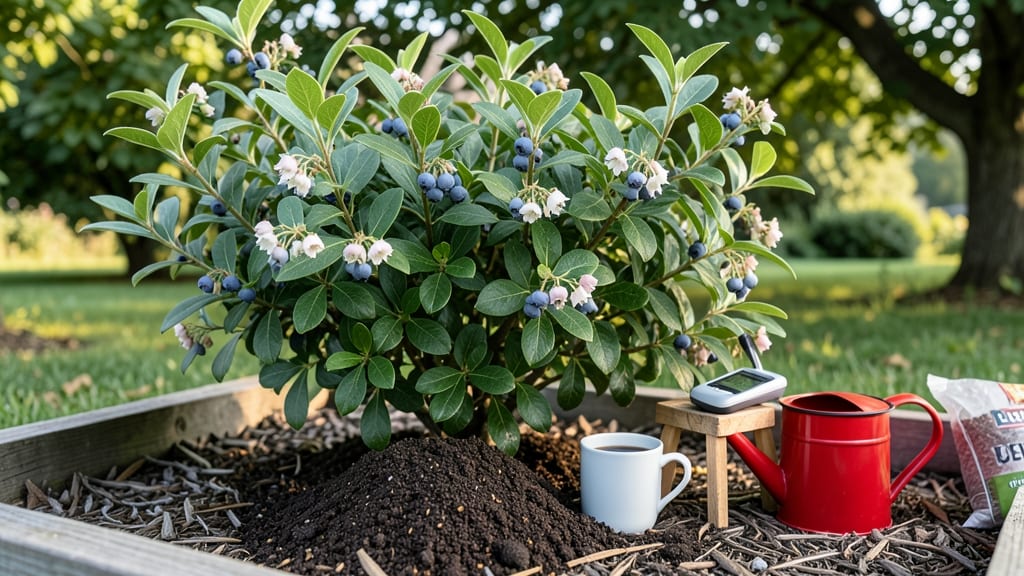
Coffee grounds for soil acidity are a natural way to lower pH gradually, perfect for acid-loving plants like blueberries, azaleas, and rhododendrons. Use them sparingly—overapplication can harm soil microbes and create imbalance. Mix into compost or spread lightly on top for best results.
Coffee grounds work because they contain natural organic acids like chlorogenic acid and tannins, which break down slowly to release hydrogen ions—lowering soil pH over time. 🌱 Unlike synthetic fertilizers, they also add nitrogen as they decompose, feeding soil microbes while adjusting acidity.
For optimal results, I recommend blending them into compost or working them into the top 2-3 inches of soil rather than just scattering them on the surface. This ensures even distribution and prevents clumping, which can block water and air flow.
What makes coffee grounds particularly useful is their dual role as both a soil amendment and a slow-release fertilizer. The gradual acidification process means you won’t see sudden pH swings that could stress plants, but you’ll still get the benefits for acid-loving varieties.
Just remember: a little goes a long way—start with about 1 cup per plant per month and monitor your soil’s pH every few months to avoid over-acidifying.
💡 In This Article
- How Coffee Grounds Affect Soil pH Chemistry
- Best Plants and Application Rates for Coffee Grounds
How coffee grounds affect soil pH chemistry
Coffee grounds lower soil pH primarily through their rich content of organic acids, with chlorogenic acid being the most potent. This compound breaks down during decomposition, releasing hydrogen ions (H+) that react with soil minerals like calcium carbonate, gradually converting them into soluble forms that leach away.
Unlike synthetic acidifiers, which can cause sudden pH shocks, coffee grounds release these acids slowly over 4-6 weeks, making them safer for plant roots.
The nitrogen content in coffee grounds (about 1.5-2% by weight) also plays a role. As microbes decompose the grounds, they convert nitrogen into ammonium (NH₄⁺), which further acidifies the soil by displacing calcium and magnesium ions.
This dual mechanism explains why coffee grounds are more effective than plain compost at adjusting pH for acid-loving plants. The decomposition process also generates heat, which can accelerate nutrient release—but this only happens when mixed into the soil rather than left on the surface.
What sets coffee grounds apart is their gradual effect. A 1-cup application might lower pH by 0.2-0.5 points over a month, compared to synthetic amendments that can drop pH by 1.0+ points immediately.
This slow release prevents root burn while still providing the acidity needed for plants like blueberries, which thrive at pH 4.5-5.5. The key is balance—too much coffee can create an anaerobic environment where harmful bacteria thrive, but the right amount creates a thriving microbial ecosystem.
Another critical factor is the coffee's roast level. Dark roasts contain fewer chlorogenic acids (they break down during roasting) but more tannins, which can further acidify soil. Light roasts, with their higher chlorogenic acid content, are slightly more effective at pH adjustment.
However, the difference is minimal—focus instead on proper application rates and soil testing rather than chasing specific roast types. 🌱
For visual learners, imagine coffee grounds as tiny pH regulators: they don't just dump acid into the soil like vinegar would. Instead, they act like a slow-drip system, releasing acidity in sync with microbial activity.
This is why they work so well in compost—they integrate smoothly with other organic matter, creating a buffered system that prevents pH swings.
The gradual nature of coffee grounds' effect also makes them ideal for container gardening. In pots, where soil volumes are small, sudden pH changes can be disastrous. Coffee grounds provide a steady, predictable acidification that's perfect for growing blueberries or azaleas in limited space.
Just remember: test your soil every 3-4 months when using coffee grounds regularly to catch any unintended shifts.
One common misconception is that all coffee grounds work the same. In reality, the acidity effect varies based on how the grounds were processed. Instant coffee grounds, for example, have had most of their beneficial compounds extracted, making them less effective for pH adjustment.
Stick to used grounds from drip coffee makers or espresso for the best results—they retain the full spectrum of organic acids and nitrogen.