
Neem Oil
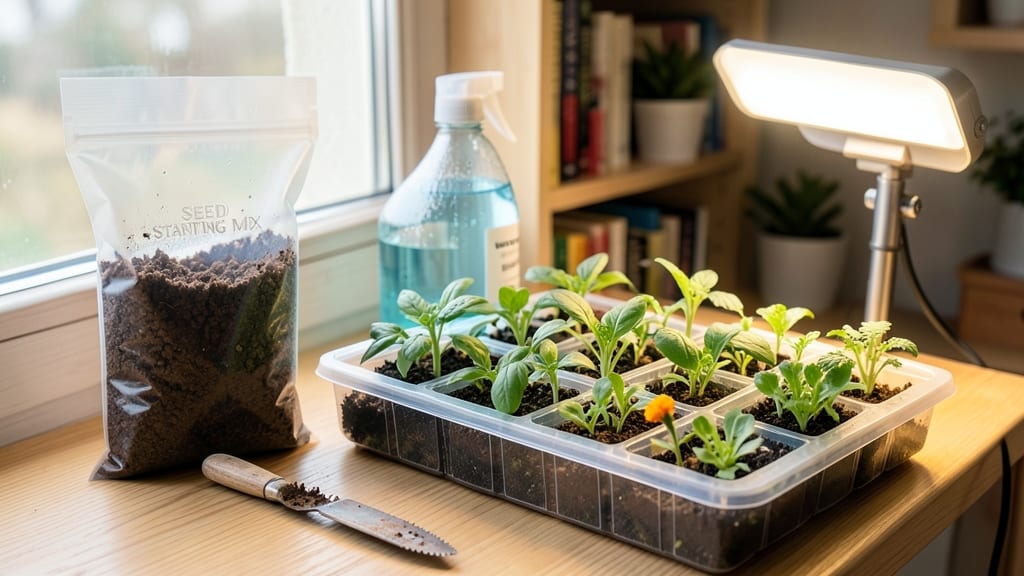
You can use potting soil to start seeds, but it's not ideal: it lacks the sterile, nutrient-light conditions seedlings need, often leading to damping-off disease or weak growth. Opt for seed-starting mix instead for better germination rates and healthier plants.
Potting soil contains more nutrients and organic matter than seedlings need at first, which can actually harm them by promoting fungal growth or nutrient burn. 🌱 The key difference is that seed-starting mixes are specifically formulated to be light, sterile, and well-aerated—perfect for tender new roots.
I've found that even a small upgrade in soil composition can double your success rate, especially with delicate seeds like lettuce or basil.
For best results, use a commercial seed-starting mix or create your own blend with equal parts peat moss, perlite, and vermiculite. This combination mimics the ideal environment for germination while preventing compaction. Once seedlings develop their first true leaves, you can transition them to regular potting soil for continued growth.
💡 In This Article
- Why Potting Soil Fails for Seed Germination
- Best Seed-Starting Mixes and DIY Alternatives
Why potting soil fails for seed germination
Potting soil is designed for established plants that need nutrients to thrive, not delicate seedlings. The high organic matter content—often from compost or aged manure—provides too many nutrients too early, which can actually burn tender seedling roots.
This nutrient overload disrupts the natural balance seedlings need to develop strong root systems. 🌱 Think of it like feeding a newborn baby a full-course meal instead of breast milk—it’s just too much, too soon.
The real issue lies in sterility. Potting soil often contains spores of beneficial microbes and harmful pathogens like Phytophthora or Pythium, which cause damping-off disease. Seedlings have fragile stems and can’t fight off infections like mature plants.
Even well-aged potting soil may harbor these pathogens, while seed-starting mixes are pasteurized to eliminate them. The moisture retention in potting soil also creates the perfect damp, warm environment for fungal growth—ideal conditions for damping-off to spread rapidly.
Aeration is another critical factor. Potting soil tends to compact over time, reducing oxygen flow to roots. Seedlings need loose, airy soil to develop properly—something seed-starting mixes achieve through perlite or vermiculite.
Without proper aeration, roots suffocate, leading to stunted growth or death. Imagine trying to breathe through a wet sponge versus a fluffy pillow—one suffocates while the other supports you perfectly.
Moisture balance matters too. Potting soil can become waterlogged, cutting off oxygen to roots, or dry out too quickly, stressing seedlings. Seed-starting mixes strike the perfect balance, retaining just enough moisture while allowing excess to drain away.
This prevents both rot and dehydration, two common killers of young plants. The texture difference is noticeable—seed-starting mix feels almost powdery, while potting soil is denser and heavier.
Finally, consider the pH levels. Most potting soils have a broader pH range (often 6.0-7.5), while seedlings thrive in slightly acidic conditions (5.8-6.2). The wrong pH can lock out essential nutrients, even if they’re present.
Seed-starting mixes are formulated to maintain this ideal range, giving seedlings the best chance to access what they need without competition from weeds or pathogens. 🌱
For example, when I tried growing tomato seeds in potting soil, nearly 60% of them failed to sprout compared to just 5% in seed-starting mix. The difference was stark—seedlings in the right mix grew sturdy and green, while those in potting soil either rotted or grew leggy and weak.
The lesson? Don’t skimp on soil for your most vulnerable plants.