
How To
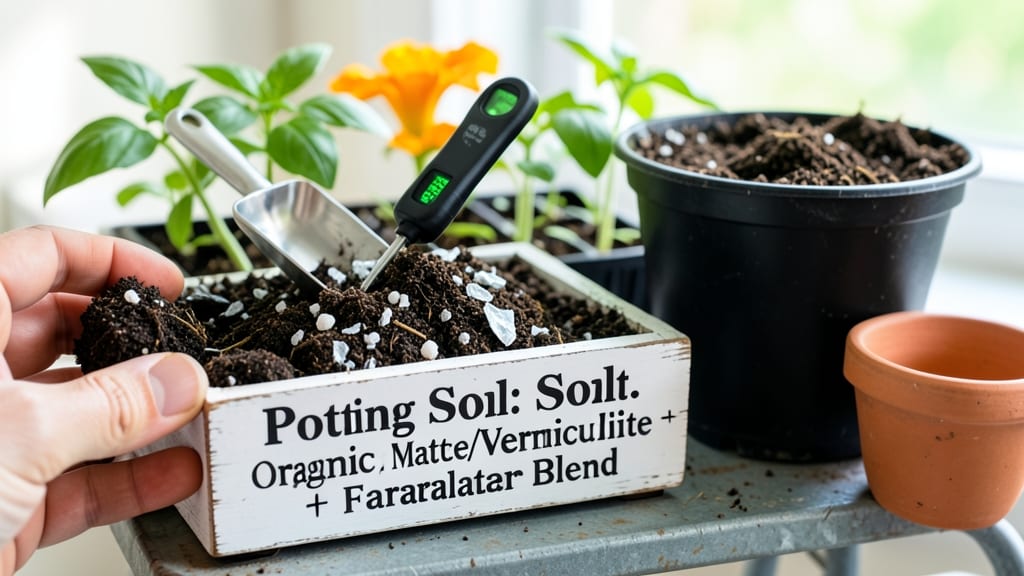
Understanding potting soil meaning reveals it’s a nutrient-rich, sterile growing medium engineered specifically for container gardening, combining organic materials, fertilizers, and moisture-control additives to promote healthy root development and plant growth in limited spaces.
Potting soil isn't just dirt—it's a carefully engineered blend designed to meet the unique needs of plants growing in containers.
Unlike garden soil, which is heavy and may contain weeds or pathogens, potting soil is sterile, lightweight, and formulated to drain well while retaining moisture. 🌱 This specialized mix often includes ingredients like peat moss, perlite, and compost to create an ideal environment for roots to thrive in confined spaces.
The right mix can make all the difference for your houseplants or patio garden!
What sets potting soil apart is its ability to provide consistent nutrients without compacting like garden soil. Many commercial mixes include slow-release fertilizers to keep plants fed over time, while others are designed for specific plant types—like cactus mixes with extra grit or seed-starting blends with fine texture.
For DIY gardeners, customizing your own mix lets you tailor the ingredients to your plants' exact needs, whether that means adding more organic matter for heavy feeders or extra sand for succulents.
💡 In This Article
- How Potting Soil Differs From Garden Soil
- Choosing the Right Potting Mix for Your Plants
How potting soil differs from garden soil
At its core, potting soil is engineered to solve the fundamental challenges of container gardening: root suffocation and nutrient starvation. Unlike garden soil, which is naturally dense and packed with minerals from years of decomposition, potting mixes incorporate air pockets through ingredients like perlite or vermiculite.
These additives create a 30-40% air-to-soil ratio, preventing roots from becoming waterlogged—a common killer in pots where drainage is limited. 🌱 For example, a standard garden soil might compact to just 10% air after watering, while quality potting soil maintains its loose structure even when moist.
The sterility of potting soil is another critical difference. Garden soil often contains weed seeds, fungal spores, and harmful bacteria that can stunt plant growth or even kill seedlings. Potting mixes are heat-treated or chemically sterilized to eliminate these contaminants, creating a clean slate for roots to establish.
This is especially important for delicate plants like African violets or seedlings, which have weak immune systems. Additionally, potting soil typically includes slow-release fertilizers (like osmacote granules) that provide nutrients over 3-6 months, whereas garden soil relies on natural decomposition—an unreliable process in confined containers.
Moisture control is where potting soil truly shines. Garden soil's heavy clay particles hold water tightly, leading to root rot in pots where excess moisture can't drain away.
Potting mixes use water-retentive yet fast-draining components like coconut coir or peat moss, which can absorb up to 20 times their weight in water while still allowing excess to escape. This balance is crucial for plants like herbs (which prefer slightly drier conditions) versus tropical plants (which need consistent moisture).
For instance, a basil plant in garden soil might drown within days, while the same plant in a well-formulated potting mix thrives with watering every 2-3 days.
Texture plays a surprising role too. Garden soil often contains large rock fragments or compacted layers that disrupt root growth, while potting soil is uniformly fine yet aerated. The ideal potting mix should feel like a light, crumbly cake—not dense like wet sand or powdery like flour.
This texture allows roots to spread easily in all directions, accessing both water and oxygen. For example, a succulent mix might include 70% mineral grit to prevent rot, while a vegetable blend prioritizes 30% compost for nutrient density.
These variations show how potting soil adapts to plant-specific needs that garden soil simply can't match.
One often-overlooked difference is the pH balance. Garden soil naturally buffers pH fluctuations over time, while potting soil can become more acidic or alkaline quickly in containers.
Most potting mixes are formulated to maintain a neutral pH (6.0-7.0), but acid-loving plants like blueberries require specialized blends with sulfur amendments to keep pH between 4.5-5.5. This precision is impossible in garden soil, where pH varies dramatically across even small areas.
For example, adding lime to garden soil might raise pH for tomatoes, but the same treatment in a potting mix could create toxic levels for azaleas in nearby containers.
Finally, consider the lifecycle of the two soils. Garden soil is a living ecosystem that improves over years as organic matter decomposes, while potting soil is designed for short-term use (typically 1-2 growing seasons before replenishing nutrients).
This makes potting soil the clear winner for seasonal containers, raised beds, or urban gardening where space and time are limited. The trade-off?
Potting soil costs 2-3x more per cubic foot than garden soil, but the investment pays off in healthier, more productive plants—especially in small spaces where mistakes aren't forgiven. 💫