
How To
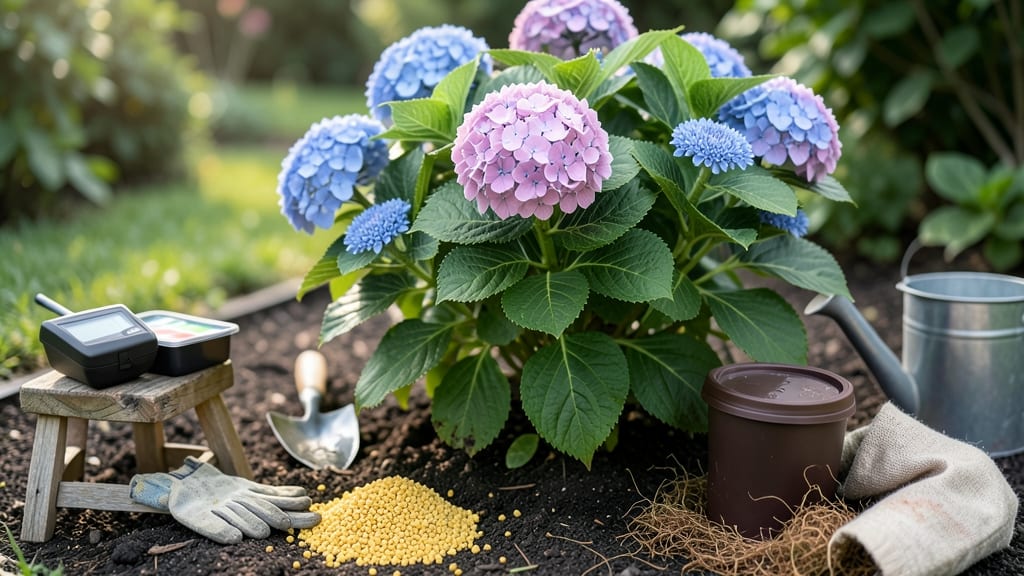
To make soil more acidic for hydrangeas, amend with sulfur-based products (elemental sulfur or aluminum sulfate), peat moss, or pine needles. Test soil pH first (ideal range: 5.2–5.5), then apply amendments gradually and recheck after 2–3 months for optimal blue blooms.
Hydrangeas thrive when their soil pH is between 5.2 and 5.5, which unlocks the aluminum they need for vibrant blue blooms. 🌸 The key is patience—sulfur takes 2-3 months to fully acidify the soil, while organic options like pine needles work slower but improve soil structure over time.
I always recommend testing your soil first with a simple kit to avoid over-acidifying, which can harm other plants in the garden.
For faster results, I mix elemental sulfur directly into the top 6 inches of soil in early spring, then water it in. Peat moss is another great organic choice, though it breaks down quickly and needs replenishing.
Just remember: too much acidity can stress your hydrangeas, so always monitor and adjust gradually!
💡 In This Article
- Why Acidic Soil Is Essential for Hydrangea Blooms
- Step-by-Step Guide to Lowering Soil pH for Hydrangeas
Why acidic soil is essential for hydrangea blooms
Hydrangeas rely on soil pH to determine their flower color through aluminum availability. When soil pH drops below 6.0, aluminum becomes soluble and accessible to roots, which triggers blue pigment production.
At higher pH levels (above 6.5), aluminum binds tightly to soil particles, leaving less available for uptake—resulting in pink blooms. This chemical process explains why blue hydrangeas need consistently acidic soil, while pink varieties can tolerate slightly higher pH ranges.
The ideal pH range of 5.2–5.5 also optimizes nutrient uptake, particularly for phosphorus and iron. At these levels, soil microbes thrive, breaking down organic matter more efficiently and releasing nutrients in forms hydrangea roots can absorb.
Without proper acidity, roots struggle to access essential minerals, leading to stunted growth and poor flowering. Think of it like adjusting the chemistry of a swimming pool—just as chlorine levels affect water quality, soil pH directly impacts plant health and color expression.
Natural acidifiers like pine needles or peat moss work slowly but improve soil structure over time. Pine needles release organic acids as they decompose, gradually lowering pH while adding beneficial carbon to the soil.
In contrast, synthetic amendments like aluminum sulfate provide immediate results but require careful measurement—overapplication can create toxic aluminum levels. The key difference lies in their mechanisms: organic amendments build long-term soil health, while synthetic ones offer quick fixes but need monitoring.
Soil microbial activity also plays a crucial role. Acid-loving bacteria and fungi flourish in the 5.2–5.5 range, creating a symbiotic relationship with hydrangea roots. These microbes help break down complex organic matter into simpler nutrients, while their metabolic byproducts further acidify the soil.
Without this microbial network, even properly amended soil may fail to maintain optimal pH levels over time. This interconnected system explains why some gardeners see better results with organic amendments—they support the entire soil ecosystem, not just the pH number.
Visual clues can help you gauge soil acidity before testing. Dark, crumbly soil with a slightly sour smell (like compost) often indicates good acidity, while chalky, white deposits suggest alkaline conditions.
Hydrangea leaves also provide hints: yellowing between veins typically signals iron deficiency from high pH, while dark green foliage with blue blooms confirms optimal growing conditions. These natural indicators serve as your first line of defense before breaking out the pH test kit.
Remember that soil acidity isn't static—it fluctuates with rainfall, organic matter decomposition, and seasonal changes. After amending, I recommend retesting every 2–3 months during the growing season to ensure you're maintaining that critical 5.2–5.5 range.
This proactive approach prevents over-acidification, which can harm beneficial microbes and make nutrients like manganese toxic to your plants. The goal is balance, not extreme acidity.