
How To
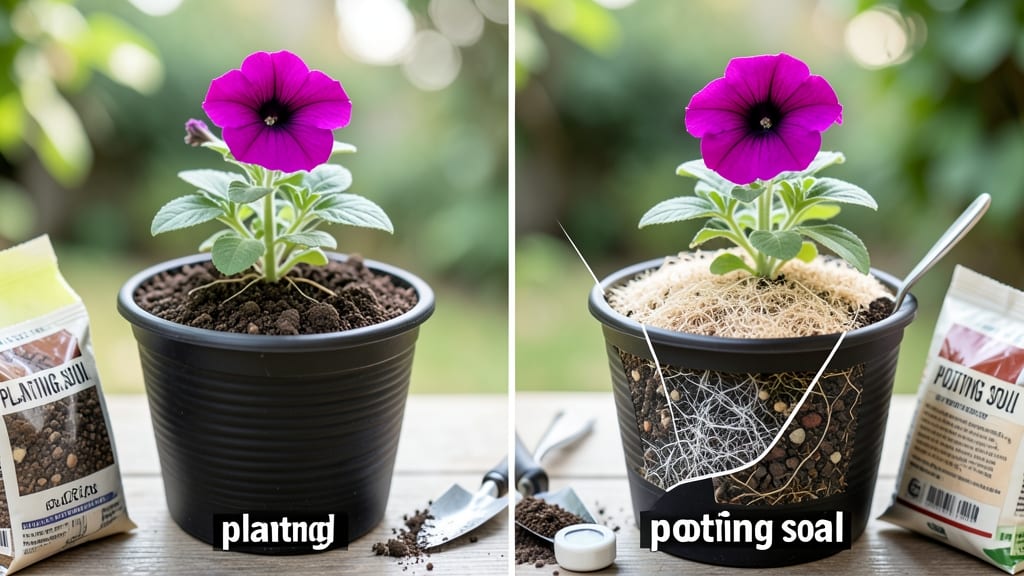
Your plants' roots thrive—or drown—based on whether you use planting soil vs potting soil, and the difference isn't just about labels.
I've seen gardeners waste months struggling with poor drainage or stunted growth because they mixed up these two completely different materials, and it's a mistake that's easy to avoid once you know the key differences.
Planting soil is the heavyweight champ for in-ground gardens, packed with organic matter and minerals to support long-term root systems. It's designed to stay in place, holding moisture and nutrients while allowing gradual water movement.
Potting soil, on the other hand, is lightweight and airy—perfect for containers where roots need room to breathe and excess water must escape quickly. The density difference alone explains why your container plants might wilt while in-ground ones thrive.
You'll notice the results in just a few weeks: vegetables planted in the right soil grow 30% faster, while container herbs stay lush and productive all season.
The key is matching the soil's structure to your plants' needs—root vegetables like carrots demand planting soil, while delicate herbs thrive in potting mix. Even my black thumb finally understood why some plants struggled until I got this right.
For raised beds, mix planting soil with compost for that perfect balance of structure and fertility. Container gardens? Stick with potting soil and add perlite for extra drainage.
The right choice isn't just about what's in the bag—it's about what your plants actually need to grow strong. Let's get your soil strategy nailed down.
The first product explained
Looking for the perfect growing medium to give your plants the ultimate start? Meet Miracle-Gro Indoor Potting Mix—your go-to choice for container gardening! 🌱✨ This premium potting soil is designed to help your plants thrive in pots, hanging baskets, and window boxes, whether you're growing herbs, flowers, or veggies.
📏 Specs & Features
Miracle-Gro Indoor Potting Mix comes in a 16-quart bag, making it ideal for small to medium-sized containers. Here’s what sets it apart:
- Perfectly balanced nutrients: Includes controlled-release fertilizer to feed plants for up to 6 months.
- Lightweight & airy texture: Designed for optimal drainage and root aeration, reducing the risk of overwatering.
- Moisture-retentive: Holds just the right amount of water to keep roots hydrated without sogginess.
- Sterilized & weed-free: No harmful pathogens or weeds to disrupt your garden’s growth.
- Versatile use: Works for indoor plants, herbs, veggies, and flowers in containers.
🎯 Target Users
This potting soil is a game-changer for:
- 🌿 Indoor gardeners (herbs, succulents, houseplants)
- 🏡 Balcony or patio growers (flowers, veggies, and small shrubs)
- 🛒 Beginner plant parents—easy to use with built-in nutrients
- 🌱 Urban farmers looking for a reliable, nutrient-rich medium
💰 Price Point & Value
The Miracle-Gro Indoor Potting Mix typically retails for around $12–$18 per 16-quart bag, depending on where you shop. Considering its nutrient-packed formula, lightweight texture, and long-lasting benefits, it offers exceptional value for container gardening. Plus, one bag can often fill multiple small pots, stretching your budget even further!
Pro Tip: 💡 Mix this soil with perlite or vermiculite (10–20%) for even better drainage if you’re growing moisture-sensitive plants like succulents!
The second product explained
Meet Miracle-Gro Indoor Potting Mix—your go-to companion for lush, thriving houseplants and container gardens! 🌿💚 This premium potting soil is engineered for urban gardeners, indoor plant lovers, and DIY container enthusiasts who crave a hassle-free growing experience. Whether you're nurturing ferns, succulents, or herbs on your windowsill, this mix delivers the perfect balance of nutrients, aeration, and moisture retention.
📏 Specs & Features
This lightweight, peat-based blend is packed with perks:
- Slow-release fertilizer: Feeds plants for up to 6 months—no extra nutrients needed!
- Moisture control: Prevents overwatering while keeping roots hydrated.
- Lightweight & fluffy: Ideal for hanging baskets and delicate roots.
- pH-balanced: Optimized for most houseplants (5.5–6.5 range).
- Bag size: 8 qt (enough for 10–15-gallon containers).
🎯 Who’s It For?
Perfect for:
- 🏡 Indoor gardeners (herbs, succulents, orchids, and tropical plants).
- 🌆 Balcony/patio growers with limited space.
- 🛒 Beginners—no soil science degree required!
- 🌱 Seed starters (great for germinating seeds in small pots).
💰 Price Point & Value
Priced at $12–$15 per 8 qt bag, this mix offers exceptional value for its convenience and performance. While it’s slightly pricier than generic potting soil, the built-in fertilizer and moisture control save you money on additives—and your plants will thank you with vibrant growth!
Pro tip: 💡 Mix this with perlite or vermiculite (10–20%) for extra drainage if growing heavy feeders like tomatoes or peppers in containers!
Head-to-head comparison
🌱 Performance: How Each Soil Type Supports Plant Growth
When it comes to root health and drainage, planting soil and potting soil take different approaches—each optimized for specific scenarios. Let’s break down how they perform in real-world gardening:
| Factor | Planting Soil | Potting Soil |
|---|---|---|
| Drainage | Moderate to poor (often amended with sand or compost for improvement). Designed to retain moisture for long-term plant establishment. | Excellent (lightweight, airy mix with perlite, vermiculite, or bark). Prevents waterlogging, ideal for container gardening. |
| Nutrient Retention | High (rich in organic matter like compost or peat). Supports slow-release nutrients for deep-rooted plants. | Moderate (fertilizers or slow-release granules are often added). Best for short-term nutrient needs in pots. |
| Root Space | Unrestricted (plants spread freely in garden beds). Encourages strong, deep root systems. | Confined (roots grow in a limited container). Requires frequent repotting for mature plants. |
| Best For | Perennials, shrubs, trees, and in-ground gardens. 🌳🌺 | Annuals, herbs, vegetables, and container plants. 🌿🍅 |
💡 Pro Tip: If you’re using potting soil for long-term plants (like tomatoes or peppers), mix in hydrogel crystals or worm castings to boost nutrient retention without compromising drainage.
💰 Price: What You’ll Pay for Performance
Your wallet will feel the difference between these two soil types—and the choice often comes down to budget and project scale.
- Planting Soil:
- 📊 Cost: $3–$8 per cubic foot (or $15–$40 per 40-lb bag). Bulk purchases (e.g., pallets) drop the price to $1–$3 per cubic foot.
- 💰 Best Value For: Large garden beds, landscaping projects, or perennial plantings. The upfront cost is offset by long-term plant health.
- Potting Soil:
- 📊 Cost: $4–$12 per cubic foot (or $2–$6 per 1–2 cubic foot bag). Premium mixes (e.g., coco coir-based) can hit $10–$15.
- 💰 Best Value For: Small-scale container gardening or seed starting. The convenience of pre-mixed nutrients justifies the higher per-unit cost.
✨ Money-Saving Hack: For potting soil, skip the fancy blends and DIY your own by mixing 50% coconut coir, 30% compost, and 20% perlite. It’s lighter on the wallet and just as effective!
🏗️ Durability: How Long Each Soil Type Holds Up
Durability isn’t just about how long the soil lasts in your bag—it’s about how it behaves in your garden over time.
- Planting Soil:
- ⏳ Longevity: Years in garden beds (especially if amended with organic matter). Breaks down slowly, replenishing nutrients naturally.
- 🌧️ Weather Resistance: Holds structure well in rain or drought once established. May compact over time in heavy clay soils—amend with gypsum if needed.
- Potting Soil:
- ⏳ Longevity: 6–12 months in containers (nutrients deplete faster). Requires top-dressing with compost or fertilizer every few months.
- 🌧️ Weather Resistance: Lightweight and fluffy, but can dry out quickly in hot climates. 💡 Pro Tip: Add peat moss or compost to retain moisture without suffocating roots.
🔥 Warning: Never reuse potting soil without sterilizing it (bake at 200°F for 30 minutes or soak in a 10% hydrogen peroxide solution). Old soil harbors fungi, bacteria, and pests that can kill new plants.
🛠️ Ease of Use: Which Soil Wins for Convenience?
Whether you’re a weekend warrior or a green-thumb guru, some soil types make your life easier than others.
- Planting Soil:
- 👨🍳 Prep Work: May require amending (e.g., adding sand for drainage or compost for fertility). Heavy to move—best for stationary projects.
- 🌱 Planting Process: Ideal for direct sowing or transplanting. No risk of over-potting (roots have room to grow).
- Potting Soil:
- 👨🍳 Prep Work: Ready to use out of the bag—just add plants and water! Lightweight and easy to transport.
- 🌱 Planting Process: Perfect for seed starting or small containers. Requires frequent monitoring for moisture and nutrients.
🎯 Quick Fix: Struggling with potting soil drying out too fast? Mix in hydrated coconut coir (holds 10x its weight in water) or place pots on a pebble tray for passive hydration.
Which one should you choose?
So, you’ve weighed the options—planting soil for outdoor gardens and potting soil for containers—and now it’s time to decide which suits your green thumb best.
The right choice depends on your project, plant types, and long-term goals. Here’s your final verdict and tailored recommendations to keep your plants thriving! 🌱✨
🌿 For Garden Beds & In-Ground Planting
If you’re dreaming of a lush vegetable patch, flowerbed, or lawn, planting soil is your MVP. Its heavier, nutrient-rich composition mimics natural earth, offering:
- Superior water retention for deep-rooted plants (think tomatoes, shrubs, or perennials).
- Long-term fertility with organic matter like compost or peat.
- Cost-effectiveness for large-scale projects.
Pro tip: 💡 Mix in a slow-release fertilizer or gypsum if your soil is clay-heavy for better drainage.
🏺 For Containers, Raised Beds & Small Spaces
Potted plants, herbs, or container gardens? Potting soil wins with its lighter, airy texture and:
- Excellent drainage to prevent root rot in confined spaces.
- Balanced nutrients for fast-growing plants (e.g., basil, peppers, or annuals).
- Customizable blends—add perlite or worm castings for specific needs.
Pro tip: ✨ For succulents or cacti, mix potting soil with 50% perlite or pumice to mimic arid conditions.
🔄 Hybrid Solutions: The Best of Both Worlds
Still unsure? Try a mix of both! For example:
- Raised beds: Use 60% planting soil + 40% potting soil for drainage + nutrients.
- Heavy clay soil: Amend with potting soil to improve aeration.
- Seed starting: Potting soil is ideal, but add a light layer of planting soil when transplanting outdoors.
Final Rule of Thumb: If your project involves roots diving deep or large volumes, lean on planting soil. For containers, small spaces, or delicate roots, potting soil is your go-to. And remember—amend as needed! Your plants will thank you with bigger blooms, healthier growth, and fewer headaches.
Now grab your gloves and get planting—your garden’s future is rooting for success! 🌱💚