
How To
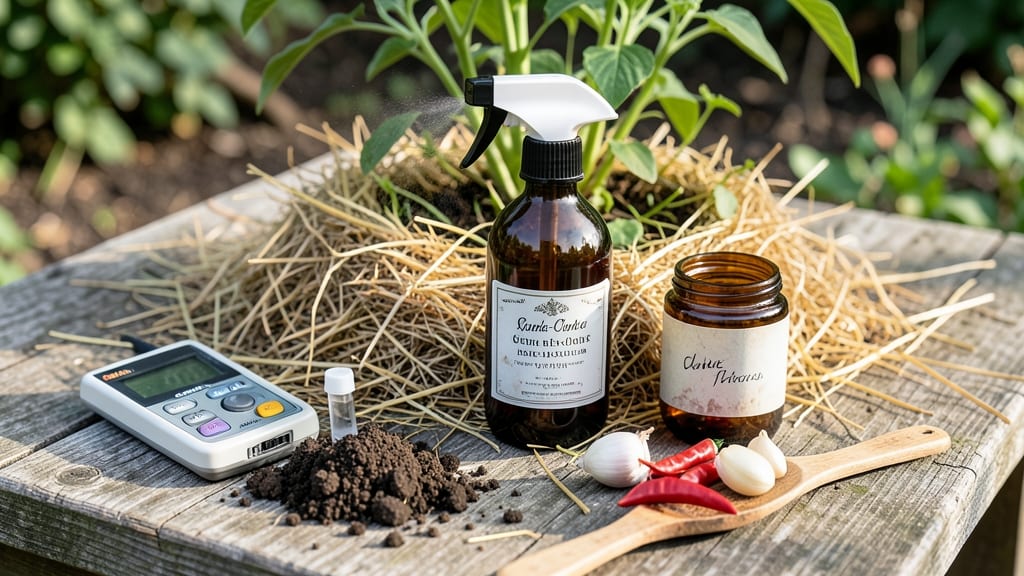
Natural soil fungicides control fungal diseases organically using household ingredients like baking soda, neem oil, or hydrogen peroxide, which disrupt pathogen growth without harming plants or soil health when applied correctly. Always test on a small area first.
Fungal diseases can devastate gardens, but these organic solutions offer a safer alternative to harsh chemicals. 🌱 Baking soda creates an alkaline environment that fungi can't tolerate, while neem oil smothers spores by coating plant surfaces.
Hydrogen peroxide, when diluted properly, acts like a targeted sanitizer that kills fungal cells on contact. The key to success lies in consistency—most pathogens require multiple applications to fully eradicate, and timing matters (early intervention prevents severe infections).
I've found that combining these methods often yields better results than using a single ingredient alone.
For example, a baking soda spray works wonders on powdery mildew, while neem oil is particularly effective against black spot on roses. Always mix your solutions in a well-ventilated area and store leftovers in a cool, dark place to preserve potency.
The beauty of these natural fungicides is their dual benefit: they protect your plants while also nurturing the beneficial microbes in your soil ecosystem.
💡 In This Article
- How DIY Fungicides Work Against Common Plant Pathogens
- Best Natural Fungicide Recipes for Specific Garden Problems
How DIY fungicides work against common plant pathogens
Natural fungicides disrupt fungal growth through three primary mechanisms: altering environmental conditions, physically obstructing spores, and direct cellular damage. Baking soda (sodium bicarbonate) works by raising the soil or leaf surface pH to around 8.0-8.5, creating an alkaline environment where most fungi struggle to survive.
Many pathogens, like powdery mildew, thrive in neutral to acidic conditions (pH 6.0-7.0)—this shift effectively starves them of nutrients and weakens their cell walls. 🔥 The effect is similar to how vinegar (acetic acid) kills bacteria by disrupting their cell membranes, but in reverse: baking soda doesn't kill fungi outright but makes the environment inhospitable.
Neem oil, derived from the Azadirachta indica tree, contains azadirachtin and nimbin, compounds that interfere with fungal spore germination and hyphal growth. When sprayed on leaves, it forms a thin, protective film that physically blocks spores from landing and attaching.
Studies show neem oil can reduce fungal infections by up to 70% when applied preventatively, but its effectiveness drops if fungi have already established colonies. Unlike chemical fungicides that rely on toxic residues, neem oil's action is more subtle—it disrupts the fungi's hormonal signals, preventing them from developing normally.
This makes it particularly useful for long-term soil health, as it doesn't harm beneficial microbes like mycorrhizal fungi.
Hydrogen peroxide (H2O2) operates differently by releasing oxygen gas when diluted, which oxidizes fungal cell membranes on contact. A 3% solution (the strongest household concentration) should be diluted to 1-2% for safe application—any stronger risks burning plant tissues.
The oxygen bubbles also create mechanical agitation that physically dislodges spores from leaf surfaces. What's fascinating is how this mimics the natural defense mechanisms of some plants: when injured, many species produce hydrogen peroxide as part of their immune response.
The downside? Hydrogen peroxide breaks down quickly in sunlight, so it must be reapplied every 7-10 days for best results.
Chemical fungicides, by contrast, typically work through contact poisons or systemic absorption that disrupts fungal metabolism. While these can provide immediate results, they often leave harmful residues in soil and can kill beneficial organisms. Natural alternatives like baking soda or neem oil offer targeted action with minimal collateral damage.
For instance, a 1 tablespoon baking soda + 1 quart water spray won't harm earthworms or nitrogen-fixing bacteria, whereas synthetic fungicides might. The trade-off? Natural solutions require more frequent applications and may not work for advanced infections where chemical fungicides would provide rapid knockdown.
Another critical factor is the fungal life cycle. Many pathogens, like Phytophthora (root rot), produce oospores that can remain dormant in soil for years.
While hydrogen peroxide can kill active mycelium, it won't eradicate these dormant spores—this is where preventive measures like neem oil soil drenches (1 teaspoon per gallon) shine.
The oil's systemic properties allow it to move through soil, creating a protective barrier around roots. 💫 What most gardeners overlook is that combining methods often yields synergistic effects: pairing a baking soda spray with a neem oil soil treatment can create an environment where fungi struggle to establish at any growth stage.
Environmental conditions also play a surprising role. Fungal spores thrive in warm, humid conditions (ideal for many gardeners' climates), but natural fungicides work best when applied during dry periods. After spraying, allow the solution to dry completely before watering—this prevents diluting the active ingredients.
For example, neem oil should never be mixed with soaps or detergents, as these can cause phytotoxicity (leaf burn) by increasing surface tension. The key is patience: natural fungicides build up protective layers over time, whereas chemical treatments provide instant but short-lived results.