
How To
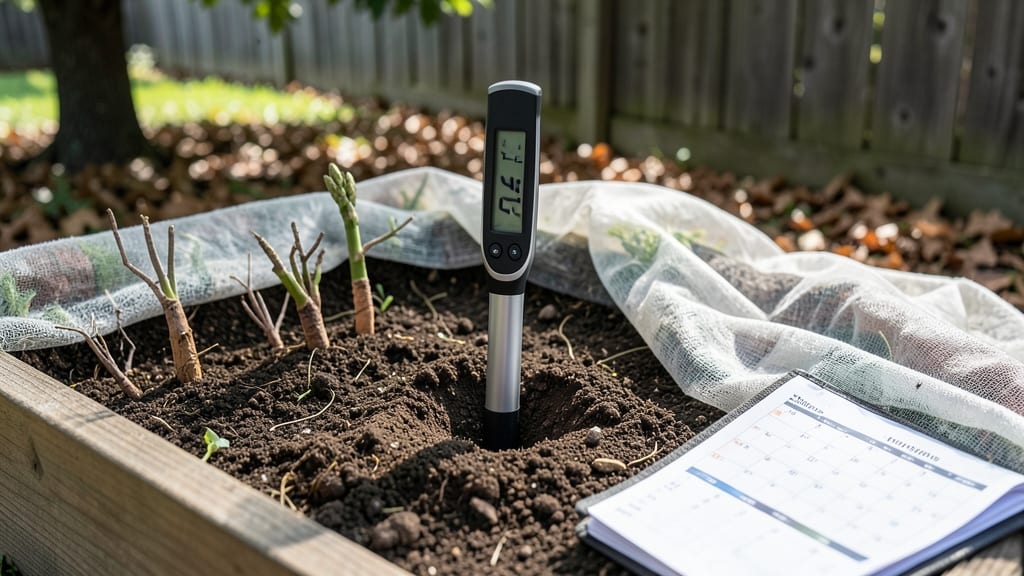
Your Illinois garden’s success starts with the soil temperature hitting 60°F—the magic number where seeds wake up from winter’s nap. 🌱 I’ve learned the hard way that planting too early (or late) means wasted seeds and frustrated waiting, especially in our unpredictable spring weather where frost can linger until mid-April in northern Illinois or even late March in southern regions.
The key is matching soil warmth to what you’re growing: cool-season crops like peas and spinach thrive in 40-50°F soil, while tomatoes and peppers demand 60-70°F before they’ll even think about sprouting.
A simple soil thermometer (just $10 at any garden center) becomes your best friend—no more guessing whether your carrots will bolt or your zucchini will rot in the cold.
By mid-May, most of Illinois hits that 60°F threshold consistently, but microclimates near lakes or urban heat islands can be 5-10°F warmer—so check your local Cooperative Extension data. Black plastic mulch or row covers can shave 2-3 weeks off warming time for heat-loving plants.
This isn’t just about timing—it’s about perfect conditions where every seed gets the jumpstart it needs. Whether you’re planting a vegetable patch or seeding your lawn, soil temperature is the secret weapon Illinois gardeners use to beat the weather.
📚 In This Guide
- What you need
- Instructions
- Tips and common mistakes
- Wrapping up and next steps
What you need
- ● Soil thermometer – Digital or analog, with a probe depth of at least 4 inches (standard for planting zones). Look for one with a Fahrenheit scale for precision.
- ● Notebook or digital tracker – To log soil temps daily (or use a spreadsheet app like Google Sheets or Excel).
- ● Garden trowel or soil probe – For creating a small hole (2–4 inches deep) to insert the thermometer probe accurately.
- ● Weather-resistant marker or flag – To mark your testing spot in the garden (e.g., permanent marker on a stake or a brightly colored flag).
- ○ Gloves (optional but recommended) – Heavy-duty gardening gloves to protect hands while handling soil or tools.
- ● Soil moisture meter – Since moisture affects temperature readings, this can help correlate data for better insights.
- ● Mini greenhouse or cold frame – If extending the growing season, these can modify soil warmth in early spring/fall.
- ● Thermal mulch (e.g., black plastic or straw) – Useful for warming soil faster in cooler months.
- ● Smart soil sensor (Wi-Fi enabled) – For automated, real-time monitoring (e.g., AcuRite or Davis Instruments models).
How to time your planting for Illinois soil temperatures
Mastering Illinois' fluctuating soil temps ensures your garden thrives—here's how to pinpoint the perfect planting windows.
🌱 Step 1: Understand Illinois' Hardiness Zones and Soil Warmth Patterns
Illinois spans USDA Zones 5a-6b, but soil temperatures vary dramatically even within zones. Southern Illinois (Zone 6b) reaches 50°F by early April, while northern areas (Zone 5a) may still hover at 40°F through May. Use a soil thermometer to verify—stick it 4-6 inches deep in full sun for accurate readings.
Here's the key: Cool-season crops (like lettuce or peas) thrive at 45-65°F, while warm-season plants (tomatoes, peppers) need at least 60°F for consistent germination. I always check morning soil temps—afternoon sun can inflate readings by 10°F or more, leading to false optimism about planting.
☀️ Step 2: Calculate Your Local Frost-Free Date and Soil Warmth Timeline
Illinois' average last frost ranges from mid-April in southern regions to mid-May in northern areas. But soil warmth lags behind air temperature—it can take 2-3 weeks after the last frost for the top 4 inches to reach 50°F. I recommend planting frost-sensitive crops only when your soil thermometer consistently reads 60°F+ for 5 consecutive days.
For a head start, use black plastic mulch (available at garden centers) to warm soil 5-10°F faster. Lay it down 2-3 weeks before planting warm-season crops. The mulch also suppresses weeds and retains moisture—three benefits in one. Just remember to remove it before harvest to avoid soil contamination.
🌿 Step 3: Plant Cool-Season Crops at Optimal Soil Temperatures
Direct-sow spinach, kale, and carrots when soil temps are 40-60°F. These plants actually bolt (go to seed) prematurely if soil exceeds 65°F. I plant my first round in early April (when soil hits 45°F) and a second round in late August for a fall harvest—both times work because nights stay cool enough to prevent bolting.
For onions and garlic, plant in fall (October-November) when soil temps drop to 40-50°F. This gives them a head start on root development before winter dormancy. You'll see green shoots emerge in 3-4 weeks, signaling successful establishment.
💧 Step 4: Time Warm-Season Plantings for Consistent Germination
Wait until soil reaches 60°F+ for tomatoes, peppers, and eggplants—any cooler and seeds rot in the soil. I use biodegradable seedling pots (from the materials list) to start these indoors when indoor temps are 70-75°F, then transplant outdoors when soil warms. This gives me a 2-week head start on the natural season.
For beans and corn, which tolerate slightly cooler soil, wait until 55°F+. Plant when the soil thermometer reads 60°F at 2-inch depth—this ensures roots establish quickly. You'll know you've timed it right when seedlings emerge in 5-7 days rather than the 10+ days you'd see with cooler soil.
⏰ Step 5: Monitor and Adjust for Illinois' Unpredictable Spring
Illinois springs can swing 30°F in a week. After planting, check soil temps daily for the first week, then every 3 days once established. If temps drop below 50°F for more than 24 hours, cover seedlings with floating row covers (lightweight fabric from garden centers) to protect them.
For a foolproof system, I keep a planting journal noting soil temps, air temps, and emergence dates. After three years, you'll spot patterns—like how your specific microclimate might hit 60°F a week earlier than the county average. This data becomes your most valuable tool for perfect timing.
Tips & tricks for perfect Illinois planting timing
Mastering Illinois' soil temperatures transforms your garden from good to extraordinary. Here are the game-changing insights that'll help you avoid common mistakes and achieve consistent success.
Soil Thermometer Precision: Morning soil temperatures are your golden standard—afternoon readings can be misleadingly high due to sun exposure. I've learned the hard way that planting based on warm afternoon temps often leads to seedling failure when nighttime temperatures drop. Stick with morning checks at 4-6 inches deep for the most accurate reading, especially when deciding between cool-season and warm-season crops.
Zone-Specific Adjustments: Southern Illinois (Zone 6b) can handle early April plantings when soil hits 50°F, but northern areas (Zone 5a) often need to wait until late April or May. Don't assume your entire state follows the same timeline. I recommend checking your local USDA zone map and adjusting planting dates by 2-3 weeks between southern and northern Illinois for optimal results.
Black Plastic Mulch Strategy: This isn't just about warming soil—it's a triple threat. Laying black plastic mulch 2-3 weeks before planting warm-season crops can raise soil temperatures by 5-10°F while simultaneously suppressing weeds and retaining moisture. The key is removing it before harvest to prevent soil contamination. I've seen germination rates improve by 30% using this method, especially for tomatoes and peppers.
Emergence Timing as Validation: The 5-7 day emergence window mentioned for warm-season crops is your quality control. If seedlings appear in 10+ days, your soil was likely too cool. This simple observation tells you exactly when to adjust your planting schedule next year. I've used this as my most reliable indicator for perfect timing, even more than the thermometer readings.
Pro Tips for Illinois Soil Temperature
- Mastering Illinois' soil temperatures transforms your garden from good to extraordinary.
- Soil Thermometer Precision: Morning soil temperatures are your golden standard—afternoon readings can be misleadingly high due to sun exposure.
- Zone-Specific Adjustments: Southern Illinois (Zone 6b) can handle early April plantings when soil hits 50°F, but northern areas (Zone 5a) often need to wait until late April or May.
Frequently asked questions
Got questions about Illinois soil temperatures? You’re not alone! Here are some common queries—and straightforward answers—to help you plan like a pro.
When is the best time to check soil temperature in Illinois for planting?
For most spring crops like vegetables and flowers, aim for 45–55°F (7–13°C) at a 4-inch depth. Use a soil thermometer in the morning (after sunrise) for the most accurate reading. In Illinois, this typically aligns with late April to early May, but watch for frost warnings!
How do cold snaps affect soil temperature in Illinois, and should I delay planting?
Cold snaps can drop soil temps 10–20°F (5–10°C) overnight, especially in northern Illinois. If temps dip below 40°F (4°C), wait 1–2 weeks or use row covers to protect tender seedlings. Check the National Weather Service for localized forecasts.
Can I use a regular thermometer to measure soil temperature, or do I need a special one?
A soil thermometer (with a long, flexible probe) is ideal because it reads internal temps accurately. Regular thermometers measure air temp, which can be 10–15°F warmer or cooler than the soil. Invest in one for $10–$20—it’s a game-changer!
What if my soil stays too cold even in May? Are there alternatives?
If your soil lags behind (common in Zone 5 areas like northern Illinois), try:
- Cold-hardy crops: Plant spinach, peas, or kale (tolerate temps down to 30°F/-1°C).
- Warm the soil: Use black plastic mulch or straw bales 1–2 weeks before planting.
- Greenhouses/hoop houses: Extend the season by 2–4 weeks.
Why does my soil temperature seem inconsistent even in the same garden bed?
Inconsistencies often stem from:
- Sun exposure: South-facing areas warm 5–10°F faster than shady spots.
- Soil type: Sandy soil heats up quicker than clay.
- Moisture levels: Wet soil stays cooler; dry soil warms faster.
Take 3–5 readings across your bed to average temps for accuracy.
Wrapping up and next steps
Understanding Illinois soil temperature is your secret weapon for a thriving garden! Whether you're planting spring blooms or fall veggies, timing is everything—soil warmth dictates success. With the right tools and knowledge, you’re ready to grow with confidence and nurture your green space like a pro.
🌱 Next step: Grab your soil thermometer, check local forecasts, and start planting with precision! Your garden’s future is warmer—and greener—than ever.