
Planting
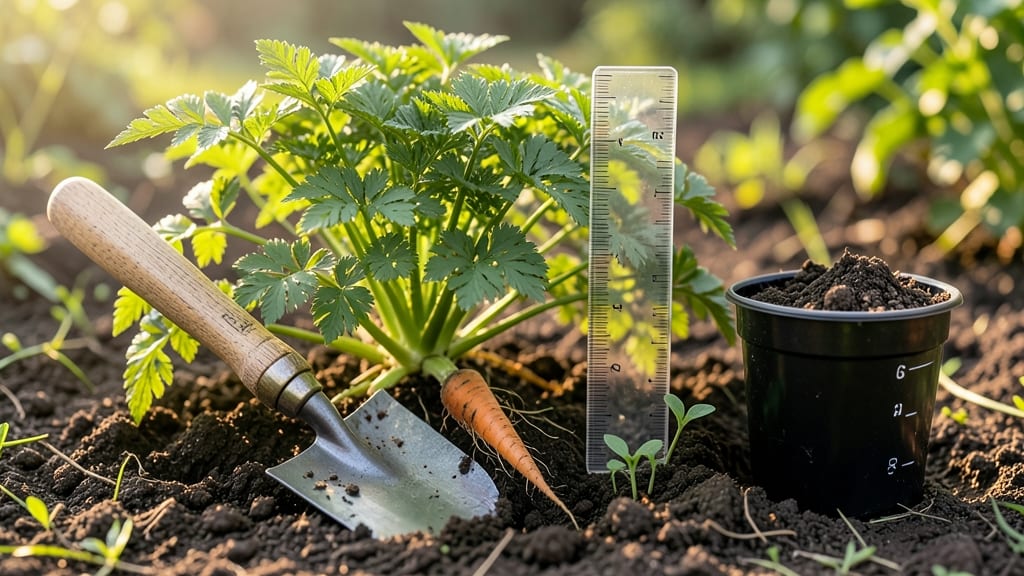
To grow carrots with deep, straight roots, you need to know how deep the soil must be—but most gardeners miss this critical step until their harvests look more like question marks than perfect orange sticks.
Picture this: you’ve sown your 🥕 seeds, watered them faithfully, and waited patiently—only to pull up a crop of forked, knobby roots. The problem? Shallow soil forces carrots to twist and turn, searching for space. Without the right depth, even the best varieties struggle to reach their full potential.
Here’s the good news: you don’t need a backyard full of loose, perfect soil to grow carrots right. Whether you’re working with clay, rocks, or a tiny container, I’ll show you how to create the ideal conditions—from testing your soil to choosing the right carrot types for your space.
By the end, you’ll know exactly how to prep your soil for carrots that grow as straight as a ruler, plus troubleshooting tips to fix shallow soil issues before they ruin your harvest.
The ideal soil depth for carrots: exact measurements to prevent forked roots
If you’ve ever pulled a forked carrot from your garden, you know the frustration. The culprit? Shallow soil that forces roots to twist and split. Carrots need deep, loose soil to grow straight and plump, but how deep is exactly deep enough?
The answer depends on the carrot variety and your garden conditions, but here’s the science-backed breakdown to get it right.
For most gardeners, 12 inches of soil depth is the absolute minimum for growing carrots. However, the ideal depth ranges from 18 to 24 inches—especially for long varieties like Danvers or Chantenay.
Shallow soil (less than 10 inches) guarantees forking or stunted roots, while deep, crumbly soil lets carrots develop their full potential. Let’s dig into the details to ensure your next harvest is flawless.
Why soil depth matters: Carrots grow from the top down, pushing their roots deeper as they mature. When soil is compacted or too shallow, roots hit obstacles like rocks, hardpan, or clay layers, causing them to fork or grow crooked. Even organic matter content plays a role—soil with at least 5% compost or aged manure stays loose longer, allowing roots to penetrate effortlessly.
Carrots develop in distinct stages, each demanding specific soil conditions. In the first 30 days, roots grow rapidly but need loose, stone-free soil to avoid forking. By day 50, roots should reach 6-8 inches deep if soil is ideal.
If your soil is only 10 inches deep, even short varieties like Paris Market will struggle, resulting in stunted or forked roots.
To test your soil depth, use a soil probe or trowel. Push it into the ground until resistance is met—this is your hardpan or subsoil layer. If you hit an obstacle before 12 inches, it’s time to amend.
For rocky or clay-heavy soil, mix in 3-4 inches of compost or use a raised bed filled with a 50/50 mix of topsoil and compost. This creates the perfect deep, crumbly environment carrots crave.
Common mistakes like planting in disturbed soil (e.g., freshly tilled garden beds) or ignoring organic matter can derail your harvest. Disturbed soil compacts quickly, while insufficient organic matter leads to poor drainage or waterlogging—both of which cause roots to split.
Always double-dig your planting area: loosen the top 6 inches, then turn the next 6-12 inches to break up compacted layers.
For container growers, depth is non-negotiable. A 12-inch-deep pot is the minimum for short varieties, but 18-inch pots are ideal for standard types. Use a lightweight potting mix with perlite or vermiculite to prevent compaction.
Pro tip: Place a 1-inch layer of coarse sand at the bottom of containers to improve drainage and root penetration.
If your soil is naturally shallow, consider intercropping with shallow-rooted plants like lettuce or radishes. These companions won’t compete for depth and can even improve soil structure over time. For deeper roots, prioritize longer-season varieties like Danvers 266, which tolerate slightly shallower conditions better than Imperator types.
Remember, consistency is key. Amend your soil before planting, not after. Once carrots are established, avoid tilling around them—this disturbs their delicate root systems. With the right depth and care, you’ll harvest carrots so straight and sweet, they’ll make store-bought look inferior.
How to test and improve your soil depth for perfect carrot harvests
Carrots need deep, loose soil to grow straight and reach their full potential. If your garden soil is shallow, compacted, or rocky, your carrots will fork, split, or stay tiny—no matter how much you water them.
The key is testing your soil's depth first, then amending it properly before planting. I’ll show you how to assess your soil and create the perfect growing conditions for long, fork-free carrots.
Start by testing your soil depth with a simple tool—like a trowel or soil probe. Push it into the ground until you hit resistance (rock, clay, or compacted layers). If the depth is less than 12 inches, you’ll need to improve it.
For ideal growth, aim for 18-24 inches of loose, rocky-free soil. This gives carrots enough space to develop fully without bending or splitting.
Step-by-Step Guide to Testing and Improving Soil Depth
-
Step 1: Test Soil Depth
Use a trowel or soil probe to measure how deep you can push into the soil. Mark the depth with a stick or ruler. -
Step 2: Identify Obstacles
Note any rocks, clay layers, or compacted soil that might restrict root growth. These are common culprits for forked carrots. -
Step 3: Loosen Compacted Soil
Dig down to the maximum depth (12+ inches) and break up clumps with a fork or tiller. This creates space for roots to grow downward. -
Step 4: Amend with Organic Matter
Mix in compost or aged manure (2-3 inches) to improve soil structure and fertility. Avoid fresh manure—it can burn roots. -
Step 5: Build Raised Beds (If Needed)
For shallow soil (<10 inches), create a raised bed filled with a mix of topsoil, compost, and sand. This mimics deep soil conditions. -
Step 6: Remove Rocks and Debris
Sift through the soil to eliminate stones or clods, which can cause carrots to fork or grow crooked. -
Step 7: Mulch to Retain Depth
Apply 2-3 inches of mulch (straw or shredded leaves) to prevent erosion and keep the soil loose over time.
If your soil is naturally clay-heavy or rocky, don’t despair. You can still grow great carrots by creating a deep planting bed. Use a mix of topsoil, compost, and coarse sand to lighten the texture.
For example, a 50/50 blend of topsoil and compost works wonders for breaking up clay. Water the amended soil thoroughly before planting to help it settle and create a uniform growing medium.
For gardeners with limited space, container growing is a fantastic solution. Use a deep pot (12+ inches) filled with a loose, well-draining mix. Fill the bottom 6 inches with a compost-sand blend to encourage deep root growth.
This method works especially well for shorter carrot varieties like 'Paris Market' or 'Little Finger', which thrive in shallower conditions.
Once your soil is prepped, plant your carrot seeds 1/4 inch deep and keep the soil consistently moist. Avoid overwatering, which can cause the soil to compact and lead to forked roots. With the right depth and care, you’ll harvest long, straight carrots that look as good as they taste!