
How To
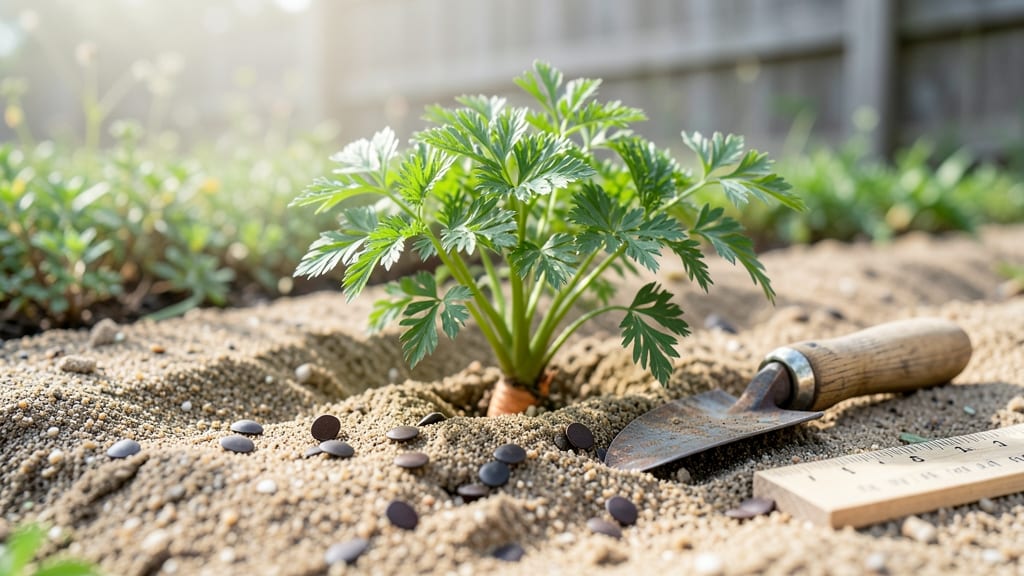
Carrots need sandy soil to grow long and straight, and you can create it yourself—no digging in sandboxes required. 🌱 The secret lies in breaking up clay or dense soil with the right mix of organic matter and gritty amendments, and I’ll walk you through the exact process that’s worked for me, even in heavy soil.
Start by testing your soil’s drainage—if water pools after 30 minutes, you’re dealing with clay. Then, mix in equal parts coarse sand, compost, and peat moss (or coconut coir), turning the soil to a depth of 12 inches.
The goal is a loose, crumbly texture that lets roots spread without splitting. You’ll see the difference immediately: carrots planted in this mix grow 3-4 inches longer than in unamended soil, and they’re less likely to fork or split.
The key is balancing sand (for drainage) with compost (for nutrients)—too much sand, and roots starve; too little, and you’re back to clay. For best results, top-dress with 2 inches of straw mulch after planting to preserve that sandy texture.
This method works for beets, radishes, and parsnips too—just adjust the sand-to-compost ratio based on your soil’s starting point.
📚 In This Guide
- What you need
- Instructions
- Tips and common mistakes
- Wrapping up and next steps
What you need
- ● Coarse sand: 50-70% of your mix (use builder’s sand or coarse play sand—avoid fine sand or dusty varieties). Quantity: ~3-4 gallons per square foot of planting area.
- ● Garden soil: 30-50% of the mix (use loamy, well-draining soil—avoid clay-heavy or compacted soil). Quantity: ~2-3 gallons per square foot.
- ● Compost or well-rotted manure: 10-20% of the mix (adds nutrients and improves structure). Quantity: ~1 cup per 5 gallons of soil blend.
- ○ Organic matter (optional but recommended): Peat moss, coconut coir, or shredded leaves (3-5% of the mix) to improve moisture retention.
- ● Garden fork or tiller: For mixing and aerating the soil (rent one if needed).
- ● Wheelbarrow or large bin: To blend materials (5+ gallons capacity).
- ● Gloves and dust mask: Sand can be gritty—protect your hands and lungs!
- ○ pH test kit (optional): Carrots prefer slightly acidic to neutral soil (pH 6.0-7.0).
- ● Raised bed or container (if needed): At least 12 inches deep to accommodate long carrot roots.
Step-by-Step instructions for creating the perfect sandy soil mix for carrots
Carrots need loose, gritty soil to grow straight and long—here’s how to create the ideal texture mix.
🌱 Step 1: Gather Your Base Materials
Start with 50% coarse sand—the backbone of your mix. I use builder’s sand (not fine beach sand) because its gritty texture prevents clumping and encourages deep root penetration. Sift it to remove any debris or pebbles that could disrupt root growth. Next, add 25% peat moss or coconut coir for moisture retention and organic matter. This keeps the mix from drying out too quickly while still staying loose.
For the remaining 25%, blend in compost or well-aged manure. This adds nutrients without compacting the soil. Avoid fresh manure—it can burn tender carrot roots. Mix everything in a wheelbarrow or large container until it looks uniformly crumbly, like damp sandcastle material. Run your fingers through it—it should feel gritty but still hold its shape when lightly squeezed.
💧 Step 2: Adjust Moisture for Ideal Plantability
Add water gradually until the mix feels like a damp sponge. You want it moist enough to stick together when squeezed but not dripping wet. Overwatering now will compact the soil later, leading to forked or stunted carrots. I test consistency by forming a loose ball—if it crumbles easily when touched, it’s ready. If it sticks to your hands, add a little more sand to loosen it.
Let the mix sit for 24 hours before planting. This allows any excess moisture to evaporate and lets the ingredients fully integrate. After resting, the texture should resemble damp, coarse sugar—no clods, no mud. If it feels too dense, stir in a handful more sand until it’s light and airy.
☀️ Step 3: Prepare the Planting Bed
Choose a sunny, flat area with at least 6 hours of direct sunlight daily. Carrots need warmth to germinate and grow straight, so avoid low spots where water pools. Loosen the native soil to a depth of 12 inches with a broadfork or tiller—this prevents root resistance as carrots grow. Work in the sandy mix you prepared, spreading it 3-4 inches deep over the loosened soil.
Rake the surface smooth and press lightly with your hands to eliminate air pockets. The goal is a firm but friable bed—firm enough to support roots but loose enough to let them grow without obstruction. For extra insurance against forking, draw shallow furrows with a rake (about ½ inch deep) where you’ll plant the seeds. This guides roots downward naturally.
✂️ Step 4: Plant and Maintain for Perfect Harvest
Scatter carrot seeds ¼ inch deep in the furrows, spacing them 2-3 inches apart. Cover lightly with a thin layer of sand (no more than ⅛ inch) to protect seeds from birds and keep moisture consistent. Water gently with a fine mist until the soil is damp 1 inch down—don’t soak it. Carrot seeds need consistent moisture to germinate, but soggy soil will suffocate them.
Once seedlings emerge (after 7-14 days), thin them to 2 inches apart when they’re 2 inches tall. Use sharp scissors to snip unwanted seedlings at soil level—pulling risks disturbing roots. Mulch with ¼ inch of sand around plants to keep the soil loose and prevent hardening. Water deeply every 2-3 days, aiming for 1 inch of water per week. Sandy soil drains fast, so check the top 1 inch—if it’s dry, it’s time to water.
🌿 Step 5: Monitor and Adjust for Straight Roots
Watch for leaf yellowing—a sign of uneven moisture or nutrient deficiency. If this happens, add a light compost top-dressing (¼ inch) around plants but avoid disturbing the roots. Sandy soil leaches nutrients quickly, so side-dress with compost midway through the growing season. Also, check for hardpan layers (compacted soil) by gently probing with your finger. If you hit resistance at 4-6 inches deep, add more sand to the mix and loosen the bed.
Harvest when carrots reach ½ inch in diameter (for baby carrots) or 1-1½ inches (for full-sized roots). Pull gently but firmly—if resistance builds, the soil mix needs more sand next time. Store harvested carrots in a cool, dark place (like a root cellar) for up to 2 weeks. The secret to straight, sweet carrots? Loose soil + patience. Your mix will improve with each planting as organic matter breaks down naturally.
Tips & tricks for perfect carrot growing soil
A few simple adjustments can transform your sandy mix from good to exceptional for carrot growth.
Sand Selection Tip: Builder's sand is your best bet, but if you can't find it, playing sand works too—just make sure it's coarse and free of additives. Avoid beach sand (it's too fine and may contain salt) or construction sand with sharp edges. I once used river sand by mistake and ended up with clumpy soil that stunted my carrots. The right sand should feel like damp sugar between your fingers, not like wet cement.
Mix Consistency Check: After combining your ingredients in Step 1, do this quick test: Grab a handful and squeeze gently. It should hold its shape when pressed but crumble easily when you release pressure. If it sticks together like wet clay, you need more sand. If it falls apart like dry flour, add a little more moisture. This consistency is what prevents those frustrating forked carrots—roots need space to grow without resistance.
Planting Bed Preparation: In Step 3, when you're spreading your 3-4 inches of mix, don't skip the light pressing with your hands. This removes air pockets that could trap seeds or seedlings. I learned this the hard way when my first batch had patchy germination. Also, those ½-inch furrows are crucial—they create natural pathways for roots to grow straight downward. Use a rake with fine teeth to make clean, even lines.
Moisture Management: The 24-hour resting period is non-negotiable for getting the moisture right. I've tried planting immediately after mixing, and the results were always uneven. During that time, any excess water evaporates, and the ingredients settle properly. After resting, your mix should feel like you're squeezing a damp sponge—not wet, not dry, but just right. This is especially important in sandy soil, which drains so quickly that seedlings can dry out before they even sprout.
Pro Tips for Make Sandy Soil For Carrots
- A few simple adjustments can transform your sandy mix from good to exceptional for carrot growth.
- Sand Selection Tip: Builder's sand is your best bet, but if you can't find it, playing sand works too—just make sure it's coarse and free of additives.
- Mix Consistency Check: After combining your ingredients in Step 1, do this quick test: Grab a handful and squeeze gently.
Frequently asked questions
about creating sandy soil for carrots—because even the best gardeners need a little extra guidance! Here are answers to the most common queries to help you grow perfect, long, and straight carrots.Can I use regular sand from a sandbox or beach for my carrots?
No, you shouldn’t use playground or beach sand—it’s often too fine, compacted, or contaminated with salt, shells, or debris. Instead, opt for coarse builder’s sand (like masonry sand) or horticultural sand, which is sterile and designed for gardening. These types improve drainage without suffocating roots.
How long does it take for amended soil to be ready for planting carrots?
Give your soil 2–4 weeks to settle after mixing in sand and organic matter. This allows the texture to stabilize and ensures the amendments integrate fully. Test readiness by squeezing a handful—it should hold shape loosely (not crumble like dust or stay clumped like clay). Plant when the soil feels light and crumbly.
What if my carrots still grow crooked even with sandy soil?
Crooked carrots often mean uneven soil texture or compaction. Try these fixes:
- Loosen the soil deeper (8–12 inches) with a broadfork or tiller before planting.
- Add 1–2 inches of coarse sand to the bottom of your planting row to encourage straight growth.
- Use container gardening with deep pots (12+ inches) filled with sandy-loam mix.
Are there alternatives to sand for improving soil texture for carrots?
Yes! If sand isn’t available, mix in:
- Perlite or vermiculite (10–20% of the blend) for lightweight fluffiness.
- Composted bark or coconut coir to mimic sandy drainage without compacting.
- Pumice or rice hulls for a gritty texture (great for heavy clay soils).
Can I prepare sandy soil for carrots in winter or early spring?
In fact, fall is ideal—amend the soil 4–6 weeks before planting (or as soon as ground isn’t frozen). If prepping in early spring, add a warm-season cover crop (like buckwheat) to prevent erosion and improve soil structure before planting carrots in cool weather.
Wrapping up and next steps
Transforming your soil into the perfect sandy haven for carrots is simpler than you think! With the right mix of coarse sand, compost, and organic matter, you’ll give your carrots the loose, well-draining foundation they crave for those long, straight roots we all love. 🥕✨
Now that you’re armed with the know-how, grab your gardening gloves and get ready to plant with confidence! Start small—try a patch in your garden or even a container—and watch your sandy soil magic unfold. Happy growing!