
Advice
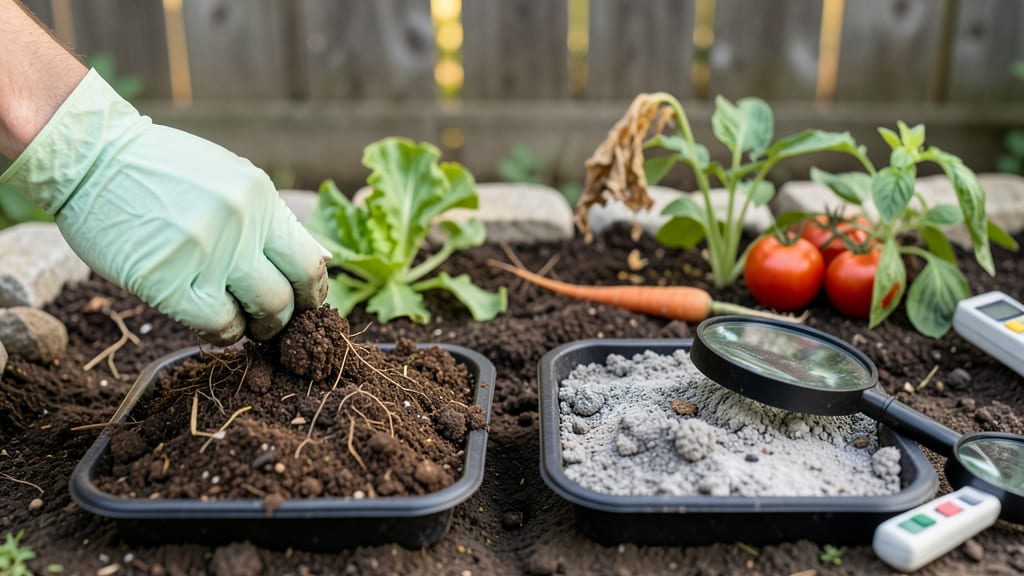
Yes, soil does go bad over time, losing nutrients, structure, and microbial balance, which stunts plant growth and increases disease risk. Poor drainage, salt buildup, or chemical contamination are key indicators it’s time to refresh or replace it.
Soil degradation happens gradually as organic matter breaks down and essential nutrients like nitrogen and phosphorus get used up. 🌱 Without replenishment, the soil’s ability to support plant roots weakens, leading to poor water retention and increased susceptibility to pests.
I’ve seen gardens where the soil became so compacted that water pooled on top instead of soaking in—this is a clear sign it’s lost its natural structure. Testing your soil’s pH and nutrient levels every few years can help you catch these issues early before they affect your plants.
Another red flag is when your plants start showing stress symptoms like yellowing leaves or stunted growth, even with proper watering. This often means the soil’s microbial community—the tiny organisms that help break down nutrients—has declined.
If you notice a foul odor when the soil is wet, that’s another warning sign of poor health, likely due to anaerobic conditions or chemical buildup. Refreshing the soil with compost or switching to a new batch can often revive struggling plants.
💡 In This Article
- How Soil Degrades Over Time and Affects Plant Health
- Signs Your Garden Soil Needs Replacement or Revitalization
How soil degrades over time and affects plant health
Soil degradation begins with the breakdown of organic matter, which typically contains 5-10% carbon by weight. Over time, microbial activity consumes this carbon through respiration, converting it into carbon dioxide and leaving behind a less nutrient-rich medium. This process accelerates in high-temperature or waterlogged conditions, where microbes work faster.
For example, a healthy garden soil might lose 1-2% of its organic matter annually, but in extreme cases, this can jump to 5% or more, drastically altering its fertility.
The loss of organic matter directly impacts soil structure, which is held together by fungal hyphae and bacterial biofilms. When these microbial networks weaken, soil particles compact, reducing pore space by up to 30%.
This compaction restricts root penetration and water infiltration, creating a cycle where plants struggle to absorb nutrients and oxygen. You’ll notice this as a hard, dense texture when digging—almost like working with clay rather than the crumbly, moist soil you’d expect. 🌱 The result?
Plants develop shallow root systems, making them more vulnerable to drought and disease.
Nutrient depletion is another critical factor. Essential elements like nitrogen, phosphorus, and potassium get absorbed by plants or leached away by rain. Over time, this creates a deficiency that manifests as stunted growth or leaf discoloration.
For instance, nitrogen deficiency often appears as pale green or yellow leaves, while phosphorus deficiency may cause dark green leaves with purple stems. Soil tests reveal these imbalances—healthy garden soil typically has 0.1-0.3% nitrogen, but degraded soil can drop below 0.05%, severely limiting plant productivity.
Chemical imbalances, particularly shifts in pH, further accelerate degradation. Most plants thrive in a slightly acidic to neutral range (6.0-7.0), but over time, soil can become too acidic (below 5.5) or alkaline (above 8.0).
Acidic soil, for example, locks up nutrients like phosphorus, while alkaline soil reduces availability of micronutrients like iron and manganese. These pH extremes also disrupt microbial communities, which are essential for breaking down organic matter and cycling nutrients.
Another hidden issue is salt buildup, often caused by over-fertilization or poor drainage. Excess salts create osmotic stress, forcing plants to expend energy to expel the salts from their roots. This stress manifests as leaf burn or wilting, even when soil appears moist.
In severe cases, salt accumulation can reach 0.2% or higher, making it nearly impossible for plants to absorb water—similar to how adding salt to soil in a pot would inhibit seed germination. 💧
Finally, the decline of beneficial microbes—like mycorrhizal fungi and nitrogen-fixing bacteria—weakens soil health. These organisms help plants absorb nutrients and resist pathogens. When their populations drop, plants become more susceptible to diseases like root rot or powdery mildew.
For example, mycorrhizal fungi can increase phosphorus uptake by 20-80%, but their absence leaves plants starved of this critical nutrient.