
How To
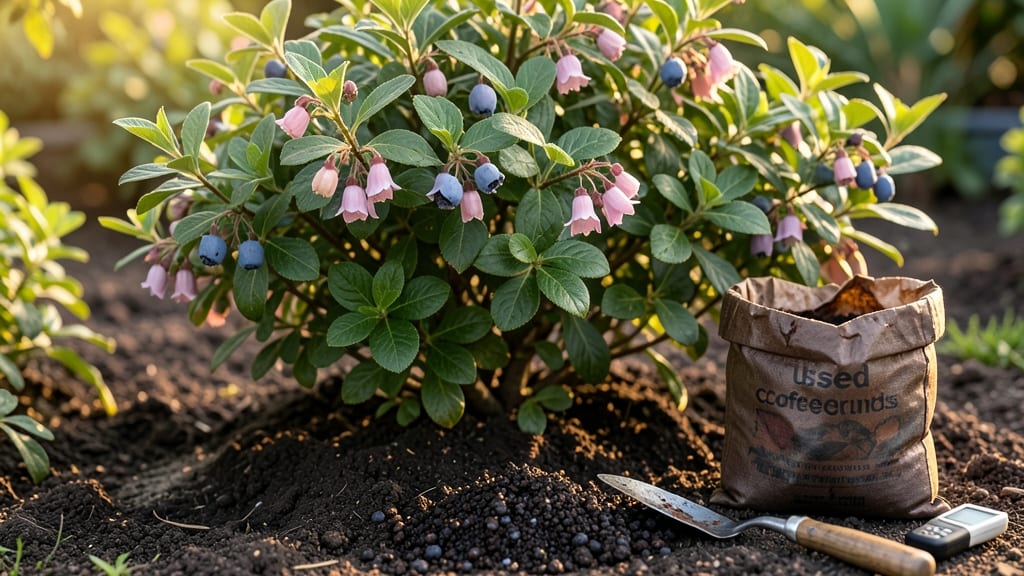
Yes, coffee grounds make soil more acidic by lowering pH levels between 0.3 and 0.5 points, creating a slightly acidic environment ideal for acid-loving plants like azaleas, blueberries, and hydrangeas. However, overuse can disrupt soil balance and harm sensitive plants.
Coffee grounds work their magic through natural compounds like chlorogenic acid and tannins, which release hydrogen ions when they break down.
This chemical process gradually acidifies the soil, but the effect depends on how quickly the grounds decompose—faster in warm, moist conditions. 🌱 Unlike synthetic amendments, coffee grounds also add valuable organic matter, improving soil structure over time.
The key is balance: too much can make the soil too acidic, while too little won’t provide enough benefit.
For best results, I recommend mixing 1-2 cups of used grounds into the top 2-3 inches of soil every 2-3 months, especially for plants that thrive in pH 4.5-6.0 ranges.
Pair them with compost or peat moss to enhance nutrient availability while preventing compaction. Always test your soil first—most garden centers sell affordable pH test kits to track changes over time.
💡 In This Article
- How Coffee Grounds Affect Soil pH Chemistry
- Best Practices for Using Coffee Grounds in Acid-Loving Gardens
How coffee grounds affect soil pH chemistry
The acidifying power of coffee grounds comes from two key compounds: chlorogenic acid and tannins, which break down during decomposition.
These compounds release hydrogen ions (H+) into the soil, directly lowering the pH. Fresh coffee grounds start with a pH of about 4.8-5.0, but their decomposition process is what truly transforms the soil chemistry.
The breakdown rate varies—grounds decompose fastest in warm (70-80°F), moist conditions, with noticeable pH changes occurring within 4-6 weeks. 🌿
When comparing coffee grounds to other acidic amendments, they're milder than elemental sulfur (which can drop pH by 1.0-1.5 points) but more potent than pine needles (which lower pH by 0.2-0.3 points). The organic matter they provide also improves soil structure by increasing porosity and microbial activity.
Unlike synthetic amendments, coffee grounds don't create sudden pH shocks—their effects are gradual and balanced, making them ideal for long-term soil management.
The decomposition process also releases nitrogen as the organic matter breaks down, which can initially "burn" plants if applied in excess. This is why proper application rates (1-2 cups per plant) are crucial—the nitrogen release should complement rather than overwhelm the soil's existing microbial activity.
Over time, the organic matter becomes humus, creating a stable acidic environment that benefits acid-loving plants.
What most gardeners don't realize is that coffee grounds' acidifying effect diminishes significantly after 3-4 months as the organic matter stabilizes. This makes them a temporary amendment rather than a permanent solution.
For sustained acidity, pairing coffee grounds with peat moss (which has a pH of 3.5-4.5) creates a more lasting acidic environment. The combination works synergistically—peat moss maintains the acidity while coffee grounds provide essential nutrients.
Soil type plays a surprising role in how effective coffee grounds are. In sandy soils, which drain quickly, the pH-lowering effect is more pronounced because the hydrogen ions aren't quickly neutralized. In clay soils, however, the effect may be muted as the soil's buffering capacity absorbs some of the acidity.
This is why testing your soil's current pH before application is essential—it helps determine whether you'll need additional amendments to achieve your target range.
For visual learners, imagine coffee grounds acting like tiny acid batteries in your soil. Each application provides a small but measurable charge that gradually accumulates. The key is consistency—regular, moderate applications maintain the ideal pH range without creating extreme conditions that could harm beneficial soil organisms.
This balanced approach is what makes coffee grounds one of the most versatile organic amendments available. ✨