
Neem Oil
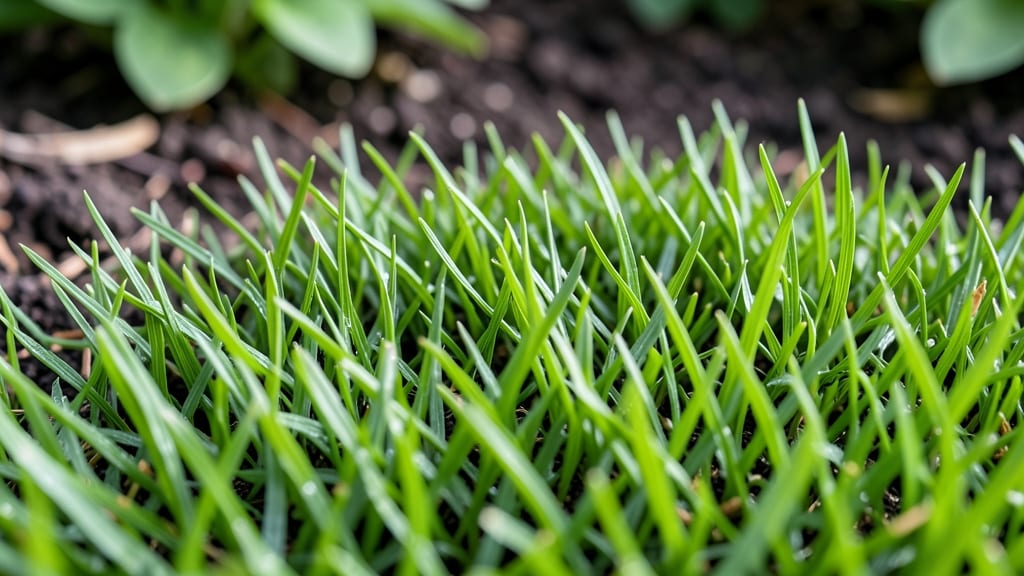
When grubs, ants, and fire ants turn your soil and turf into a battleground, Bayer Advanced Complete Insect Killer for Soil & Turf stops them dead in their tracks. 🌱 I’ve used it to rescue my yard from tunneling grubs that left brown patches everywhere—within 48 hours, the damage halted, and the grass started recovering.
This isn’t just another spray; it’s a systemic defense that works inside the soil and turf, where pests hide.
The secret lies in its dual-action formula: it kills pests on contact and disrupts their life cycle, preventing future infestations. You’ll see results against 100+ pests, including Japanese beetles, chinch bugs, and even mole crickets—those relentless underground destroyers.
The best part? It’s designed for low-maintenance application, so you won’t need to reapply every few weeks like some other products.
What you’ll achieve is a lawn that stays green, healthy, and pest-free for months. The grass recovers faster, roots strengthen, and you skip the frustration of patchy, chewed-up turf. Just follow the simple watering-in method after application, and let the product do the work while you enjoy your yard again.
For even better results, pair it with core aeration in spring to help the granules reach deep into the soil.
If you’re dealing with organic preferences, this product fits into a balanced pest management plan—use it as part of a rotation with milky spore for grubs or neem oil for softer pests.
Safety first: keep kids and pets off treated areas for 24 hours, and always wear gloves when handling the granules.
Root Causes Of Soil Turf Pests
When pests invade your soil and turf, they don’t just appear out of nowhere—they thrive due to specific conditions that make your lawn a perfect buffet. Understanding these triggers helps you take preventive action before infestations spiral out of control.
Below, we break down the most common reasons pests target your yard, backed by science and actionable insights.
Healthy soil acts like a natural fortress, teeming with beneficial microbes, fungi, and insects that compete with pests for resources. But when soil health declines, pests move in like uninvited guests at a party.
- Compacted or Waterlogged Soil:
Excessive foot traffic, heavy machinery, or poor drainage compresses soil, reducing oxygen flow. This creates anaerobic conditions where grubs, cutworms, and fungus gnats thrive. Compacted soil also prevents roots from accessing nutrients, making plants stress signals that attract pests.
- Low Organic Matter:
Soil rich in organic matter (like compost or decomposed plant material) supports predatory nematodes and beneficial bacteria that keep pests in check. When organic matter is depleted, pests like chinch bugs and sod webworms exploit the imbalance.
- pH Imbalances:
Most turfgrasses prefer a pH between 6.0 and 7.0. Soil that’s too acidic (<5.0) or alkaline (>7.5) stresses plants, making them more susceptible to insect attacks. For example, armyworms favor acidic soils, while grubs prefer alkaline conditions.
💡 Pro Tip: Test your soil annually (a simple DIY kit or lab test works). Amend with compost, sulfur (for high pH), or lime (for low pH) to restore balance.
Water is essential for turf, but overwatering turns your lawn into a pest magnet. Excess moisture softens soil, making it easier for larvae to burrow, and provides the perfect breeding ground for moisture-loving insects.
- Fungus Gnats & Shore Flies:
These tiny, mosquito-like pests lay eggs in constantly damp soil. Their larvae feed on grass roots and organic matter, weakening turf. Overwatering keeps soil saturated for weeks, extending their lifecycle.
- Sod Webworms:
These caterpillars thrive in overly moist conditions, especially in thick, lush turf. They chew through grass blades at the base, creating brown, patchy dead spots that spread rapidly in humid climates.
- Root Rot & Secondary Pests:
Waterlogged soil leads to root rot, which kills grass and attracts scavenging insects like darkling beetles and millipedes. These pests feed on decaying organic matter, further degrading soil health.
🌡️ Actionable Fix: Water deeply but infrequently—aim for 1–1.5 inches per week (including rainfall). Use a soil moisture sensor or dig a small hole to check drainage. If water pools after 6 hours, your soil needs amendments like sand or gypsum.
Thatch is a natural layer of dead grass, roots, and stems that forms between soil and green blades. While a ¼-inch layer is healthy, excessive thatch (over ½-inch) becomes a perfect shelter for pests and blocks water/nutrients.
- Chinch Bugs:
These sap-sucking pests hide in thick thatch, feeding on grass roots and leaving behind yellow, wilted patches. They’re most active in hot, dry conditions but thrive in shaded, thatch-heavy areas.
- Grubs (Japanese Beetle Larvae):
Grubs prefer soft, organic-rich thatch where they can burrow and feed on roots. A thick thatch layer also traps moisture, creating ideal conditions for their development.
- Ant Colonies:
Fire ants and other species build nests in thatched turf, creating volcano-like mounds. Their tunnels aerate soil but also disrupt root systems, making grass vulnerable to drought and disease.
✨ Solution: Dethatch annually in spring or fall using a vertical mower or rake. For severe buildup, consider top-dressing with compost to break down thatch naturally.
Turfgrass needs sunlight to photosynthesize and stay resilient. When shade blocks light, grass weakens, releasing chemical stress signals that attract pests like cutworms and armyworms.
- Cutworms:
These caterpillars seek out stressed, shaded grass. They cut through stems at night, causing sudden wilting in patches. Shady areas also retain higher humidity, extending their active season.
- Armyworms:
These defoliators prefer weak, shaded turf where they can strip blades quickly. They’re most aggressive in cool-season grasses (like fescue) growing in partial shade.
- Mold & Fungal Pests:
Shady, damp conditions promote fungal growth, which attracts fungus-feeding insects like soldier beetles and springtails. These pests further stress the turf, creating a vicious cycle.
🎯 Prevention:
- Prune overhanging trees to increase sunlight (aim for 6+ hours of direct sun daily).
- Choose shade-tolerant grasses like fine fescue or zoysia if full sun isn’t possible.
- Improve airflow with regular mowing and aeration.
By addressing these root causes—soil health, watering habits, thatch, and sunlight—you starve pests of their ideal conditions before they become a full-blown problem. The next step? Learn how Bayer Advanced Complete Insect Killer targets these pests at their source.
Solutions That Work for Soil & Turf Pests
When pests invade your soil and turf, a strategic approach is key to reclaiming healthy, vibrant lawns and gardens. Bayer Advanced Complete Insect Killer for soil and turf is designed to tackle over 100 pests, but prevention and targeted fixes ensure long-term success.
Below, we break down practical solutions for common issues—from grubs to ants—and share prevention tips to keep your landscape pest-free.
Cause: Grubs munch on grass roots, leading to brown patches and thin turf. Fix: 🍳 Apply Bayer Advanced Complete Insect Killer to soil in early spring or late summer (peak grub activity). 👨🍳 Water thoroughly after application to help the product penetrate roots. ⏰ Reapply every 3-4 months for persistent infestations.
Prevention Tips: ✨ Mow high (3-4 inches) to shade roots and deter pests. 🌡️ Test soil moisture—grubs thrive in damp conditions, so improve drainage if needed. 🎯 Encourage natural predators like birds and toads by planting native flowers.
Cause: Ants create unsightly mounds and disrupt turf health by tunneling. Fix: 🔪 Target mounds directly with Bayer Advanced Insect Killer granules or spray. 💡 Follow up with a barrier treatment around edges (e.g., sidewalks, foundations). 📊 Monitor for 2-3 weeks—ants may relocate, so reapply if needed.
Prevention Tips: 🔥 Remove food sources (spills, pet food) and seal trash cans tightly. 🌿 Use mulch sparingly near ant-prone areas to reduce nesting spots. 💪 Plant ant-resistant grasses like tall fescue or Kentucky bluegrass.
Cause: These pests devour roots, causing wilting and dead patches. Fix: 🍳 Apply Bayer Advanced Insect Killer in early summer (before eggs hatch). 👨🍳 Use a spreader for even coverage on large lawns. ⏰ Combine with milky spore powder (for Japanese beetle grubs) for extra defense.
Prevention Tips: 🌡️ Aerate compacted soil to discourage egg-laying. 🎯 Plant trap crops like marigolds to lure beetles away from turf. ✨ Avoid overwatering—dry spells deter beetle activity.
Cause: Fire ants create painful stings and unsightly mounds. Fix: 🔪 Drench mounds with Bayer Advanced Insect Killer concentrate or granules. 💡 Reapply every 4-6 weeks—fire ants are persistent! 📊 Check nearby areas—they spread quickly, so treat a 3-foot radius.
Prevention Tips: 🔥 Keep grass short to reduce hiding spots. 🌿 Avoid disturbed soil (e.g., new construction sites) where they nest. 💪 Use bait stations (like Bayer Advanced Ant Killer) for long-term control.
Cause: Pest-damaged roots weaken turf, inviting fungi like brown patch. Fix: 🍳 Treat pests first with Bayer Advanced Insect Killer to stop root damage. 👨🍳 Apply a fungicide (like Bayer Advanced Fungicide) if fungal spots appear. ⏰ Rake out dead patches and reseed with disease-resistant grass.
Prevention Tips: 🌡️ Improve airflow with proper mowing and aeration. 🎯 Water early morning to reduce humidity (fungi love dampness). ✨ Test soil pH—aim for 6.0-7.0 to discourage fungal growth.
Pro Tip: 💡 For best results, always follow label instructions—Bayer Advanced products are designed for safety and effectiveness when used correctly!
By combining targeted treatments with smart prevention, you’ll keep your soil and turf thriving—pest-free and lush year-round. 🌱
Frequently asked questions
How long does Bayer Advanced Complete Insect Killer take to work?
You’ll typically see results within 48 hours for surface pests like ants and fire ants. For grubs and soil-dwelling larvae, it takes 7-14 days to fully eliminate them from the root zone. The product works by both killing pests on contact and disrupting their life cycle, so patience is key for underground infestations.
Can I use this product on my vegetable garden or flower beds?
Yes, but with caution. Bayer Advanced Complete Insect Killer is safe for ornamental plants and vegetables once applied, but avoid treating edible crops directly. Wait 24 hours before harvesting vegetables from treated soil. For flower beds, follow the label rate—it won’t harm plants but will target pests like grubs and chinch bugs.
What’s the best time of year to apply for grub control?
The ideal window is early spring (March-April) or late summer (August-September). This targets grub populations when they’re most vulnerable—either right after hatching or before they pupate. For fire ants, apply in early spring or fall when colonies are expanding but before extreme heat sets in.
Will this product harm earthworms or beneficial insects?
The formula is designed to target harmful pests while being selective for earthworms and most beneficial insects. However, overapplication can still impact soil life. Stick to the recommended rate (10 lbs per 1,000 sq ft) and water it in thoroughly. Earthworms typically recover within 2-4 weeks as the product breaks down.
How do I know if my lawn has a grub infestation?
Look for these telltale signs: thin, patchy grass that pulls up easily (roots severed by grubs), birds pecking at the lawn (they love grubs), or moles/skunks digging (secondary predators). Dig up a small section—if you find ½-inch white larvae in the roots, you’ve got grubs.