
How To
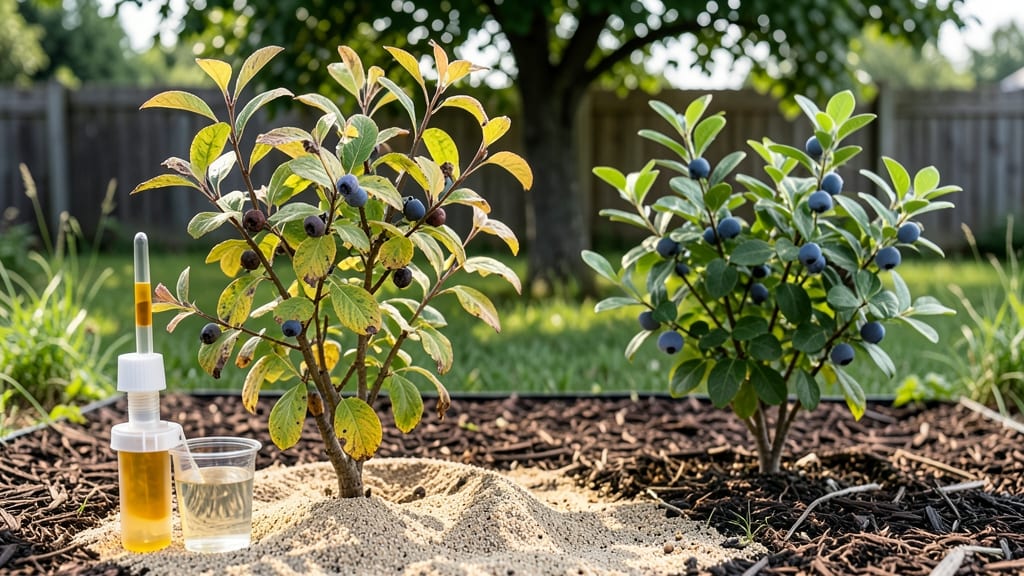
Acidic soil symptoms show up as yellowing leaves on older foliage, slowed growth, and roots that struggle to absorb nutrients. Acid-loving plants like azaleas and blueberries flourish, while vegetables such as tomatoes and lettuce develop deficiencies in magnesium or calcium.
When soil becomes too acidic, plants often display chlorosis—yellowing between leaf veins—because the pH disrupts how they take up key nutrients like iron and manganese. 🌱 The roots may also appear stunted or dark, signaling they're working harder to survive.
Unlike alkaline soil, which locks out phosphorus, acidic conditions can actually make aluminum more available, poisoning roots in sensitive plants.
Testing your soil's pH (ideally between 6.0 and 7.0 for most gardens) is the first step to diagnosing whether these symptoms stem from acidity or other issues like overwatering or disease.
For example, rhododendrons and hydrangeas typically thrive in soil with pH levels as low as 4.5, while most vegetables need near-neutral conditions. If you notice these symptoms, try amending the soil with lime (to raise pH) or organic matter (to buffer acidity) before assuming the worst.
The key is matching your plants' needs to the soil's chemistry.
💡 In This Article
- How Soil pH Affects Plant Health and Nutrient Uptake
- Diagnosing Acidic Soil: Visual Clues and Testing Methods
How soil pH affects plant health and nutrient uptake
Soil pH directly controls which nutrients plants can access. When soil becomes too acidic (below pH 6.0), essential minerals like phosphorus, calcium, and magnesium become less available, even though they may still be present in the soil.
This happens because acidic conditions cause these nutrients to bind tightly to soil particles, making them inaccessible to plant roots. For example, phosphorus—crucial for energy transfer in plants—can drop to 1% availability in highly acidic soil compared to near-neutral conditions.
The real damage comes from aluminum toxicity. As pH drops below 5.0, aluminum ions (Al³⁺) dissolve from soil minerals and become soluble. These ions are toxic to most plants, especially sensitive species like beans, peas, and many vegetables.
The roots absorb these harmful ions instead of nutrients, leading to stunted growth and even root death. You'll often see brown, necrotic root tips in severely affected plants, a clear sign of aluminum poisoning. 🌱
Iron and manganese, however, become more available in acidic soil—which explains why acid-loving plants like blueberries and azaleas thrive. These plants have adapted to extract these nutrients efficiently, but their roots still suffer if the acidity becomes extreme (below pH 4.5).
The result? Chlorosis (yellowing leaves) even in plants that prefer acidic soil, because the roots can't absorb enough water or nutrients despite the favorable pH for certain minerals.
Root systems also physically weaken in acidic conditions. The increased aluminum and manganese levels disrupt cell division in root tips, reducing the plant's ability to develop new roots or absorb water.
This creates a vicious cycle: the plant struggles to take up nutrients, grows slower, and becomes more susceptible to diseases like root rot. Even in acid-tolerant plants, prolonged exposure to pH below 5.0 can lead to necrotic leaf edges and reduced flowering or fruiting.
Consider the contrast between tomatoes (which need pH 6.0-6.8) and blueberries (which thrive at pH 4.5-5.0). A tomato plant in acidic soil will show yellowing between veins (interveinal chlorosis) due to iron deficiency, while a blueberry in the same soil might show stunted growth from aluminum toxicity.
The same soil pH can cause completely different symptoms depending on the plant's native preferences.
What most gardeners don't realize is that soil acidity also affects beneficial microbes. Fungi and bacteria that help break down organic matter often thrive in slightly acidic conditions (pH 5.5-6.5), but extreme acidity (pH 4.0 or lower) can kill these organisms, further reducing nutrient availability.
This microbial decline accelerates nutrient lockout, making the soil less fertile even if it contains plenty of raw materials. 🔥