
How To
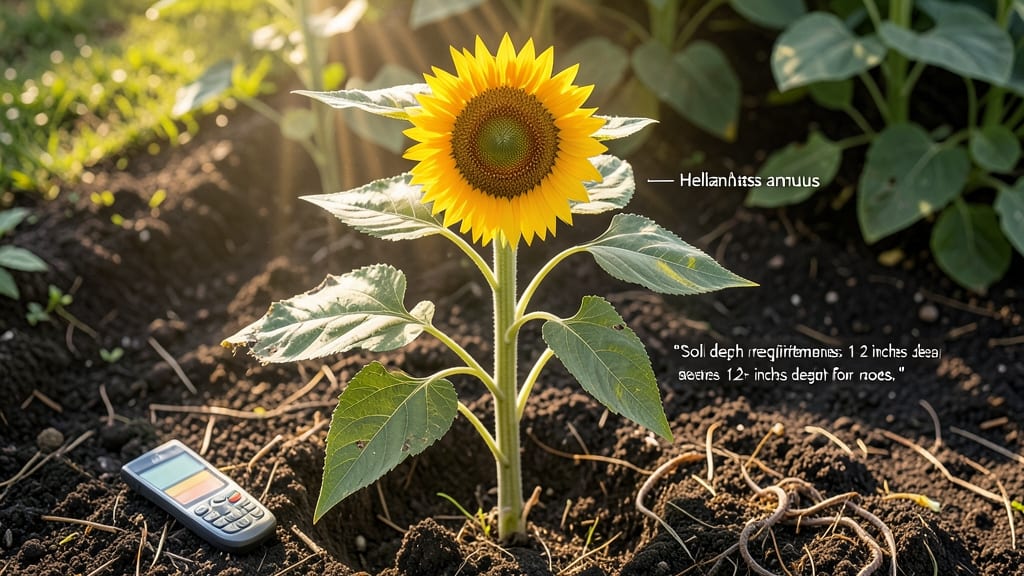
Sunflower soil requirements call for loose, well-draining loam with equal parts sand and silt (40% each) plus 20% clay, a pH between 6.0 and 7.5, and plenty of composted organic material to support vigorous root development.
Sunflowers hate soggy feet, so that perfect soil blend isn't just about nutrients—it's about keeping roots oxygenated. Clay-heavy soils need extra sand and compost to prevent compaction, while sandy soils benefit from peat moss or coconut coir to retain moisture. 🌱 I've seen sunflowers bolt or develop weak stems when the soil mix is off, so testing your garden's pH before planting is a game-changer.
Most garden centers sell affordable test kits, and adjusting with lime (to raise pH) or sulfur (to lower it) takes just a few weeks.
For organic matter, think beyond plain compost—worm castings or well-rotted manure add microbial life that sunflowers devour. Pro tip: Mix in a handful of bone meal at planting time for that extra phosphorus kick, which fuels those towering stems.
The right soil mix doesn't just prevent problems; it turns sunflowers into the powerhouses they're meant to be.
💡 In This Article
- How Sunflower Soil Composition Affects Growth
- DIY Sunflower Soil Mix Guide for Different Climates
How sunflower soil composition affects growth
Sunflowers demand a specific soil texture because their roots need both stability and oxygen. The ideal 40% sand, 40% silt, 20% clay ratio creates a crumbly structure that prevents compaction while allowing water to drain quickly—critical since sunflowers hate "wet feet."
Sand particles (0.05–2mm) create air pockets for root respiration, while silt (0.002–0.05mm) holds moisture and nutrients near the roots. Without this balance, roots suffocate in clay-heavy soils or dry out in sandy soils, both leading to stunted growth or lodging (falling over). 🌱
The 6.0–7.5 pH range ensures sunflowers can absorb essential nutrients like phosphorus and nitrogen efficiently. At pH 5.5 or below, aluminum and manganese become toxic, while above 7.8, calcium and magnesium lock up.
For example, a pH 6.5 soil might have 90% available phosphorus, but drop to pH 5.0, and that availability plummets to 10%. This is why soil tests are non-negotiable—even a 0.5 pH shift can stress plants.
Organic matter acts like a nutrient sponge, holding 2–3 times its weight in water while slowly releasing nitrogen, phosphorus, and potassium. Composted materials like leaf mold or aged manure break down into humus, which improves soil structure by binding particles together.
Without this, sunflowers develop weak stems because they can't access enough potassium, leading to the classic "floppy sunflower" problem in poor soil.
Sunflowers also need deep, loose soil (18–24 inches) for their taproots to reach water tables. In compacted soil, roots grow shallow and compete with weeds, resulting in plants that bolt (flower prematurely) or produce smaller heads.
I've seen sunflowers in heavy clay double their yield when amended with 3 inches of compost and 10% perlite to break up the clay.
Regional climate plays a hidden role too. In arid areas, the soil mix should prioritize moisture retention (more silt), while in rainy zones, drainage becomes the priority (extra sand).
For instance, sunflowers in drought-prone zones benefit from 20% coconut coir in the mix, while those in waterlogged areas need 30% coarse sand to prevent root rot.
What most gardeners miss is how soil temperature affects germination. Sunflower seeds need soil at 55–65°F to sprout—too cold, and they rot; too hot, and they dry out. A well-amended soil stays cooler in summer and warmer in spring, creating the perfect germination window.
This is why pre-warming cold soils with black plastic mulch can boost germination rates by 30% in northern climates. 🌡️