
How To
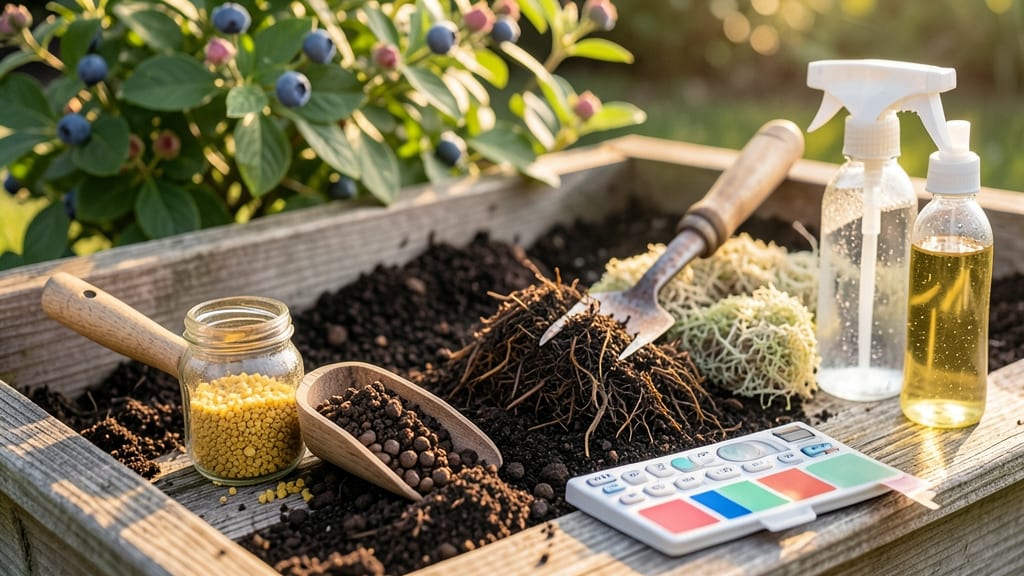
How to add sulphur to soil naturally—your blueberries and azaleas will thank you for it. 🌱 I’ve used simple kitchen scraps and yard waste to naturally lower soil pH and unlock healthier plants—no harsh chemicals required. The secret lies in everyday items like coffee grounds, pine needles, and even eggshells, all of which slowly release sulfur as they break down.
Start with your existing garden beds or containers, then work in organic amendments like composted pine needles (the gold standard) or used coffee grounds (free from your morning brew). For faster results, crushed eggshells add a mild sulfur boost over time.
The key is patience—these materials take weeks to months to fully integrate, but the payoff is plants that thrive in the perfect acidic range.
You’ll notice the difference within a growing season: darker green leaves, more abundant blooms on acid-loving plants, and fewer signs of nutrient deficiencies. Blueberries will fruit more heavily, azaleas will burst with color, and even vegetables like Brussels sprouts will grow stronger.
Just test your soil pH every few months to keep it in the 4.5–6.0 range—that’s the sweet spot for sulfur-loving plants.
This method works for any garden, from raised beds to in-ground plots, and even container gardens. The best time to apply is early spring or fall, when soil is moist and ready to absorb nutrients.
No need for gloves or masks—just a little planning and the scraps you’d normally toss.
📚 In This Guide
- What you need
- Instructions
- Tips and common mistakes
- Wrapping up and next steps
What you need
- ● Eggshells: 1–2 cups (crushed into fine powder or small pieces). Tip: Save shells from cooking or breakfast—just rinse and dry them thoroughly!
- ● Coffee grounds: ½–1 cup (used or fresh). Tip: Collect from your morning brew or ask local cafés for a free supply!
- ● Compost or organic matter: 1–2 gallons (to mix sulfur-rich materials into). Tip: Use well-aged compost to avoid burning plants.
- ● Water: Enough to moisten soil (about 1–2 gallons per application).
- ○ Blender or food processor: For grinding eggshells into a fine powder (optional but speeds up the process).
- ● Garden gloves: To protect your hands while handling materials.
- ● Garden fork or trowel: For mixing sulfur sources into soil.
- ○ pH testing kit: Optional but helpful to monitor soil changes over time.
- ○ Molasses or compost tea: Optional, to enhance microbial activity when mixing sulfur.
Step-by-Step guide to naturally amending soil with sulphur using organic materials
Here's how to boost your soil's sulphur content without harsh chemicals—just use what you already have at home.
🌱 Step 1: Collect and Prepare Your Sulphur-Rich Materials
Start by gathering eggshells and coffee grounds—both are excellent natural sources of sulphur when properly processed. For eggshells, rinse and dry them thoroughly, then crush them into a fine powder using a blender or mortar and pestle. The smaller the pieces, the faster they'll break down and release nutrients. Aim for about 1 cup of crushed shells per 5 square feet of garden bed—this gives plants a steady supply without overloading the soil.
For coffee grounds, use used grounds only—fresh ones can be too acidic and disrupt soil pH. Spread them out to dry completely in the sun for a day or two, then grind them into a powder. Mix 1 cup of dried coffee grounds per 5 square feet into your soil. Both materials should be ready to use once fully dry and finely textured—no clumps should remain.
💧 Step 2: Mix Materials into Soil Before Planting or Top-Dress Existing Beds
For new plantings, work the crushed eggshells and coffee grounds directly into the top 6 inches of soil where roots will develop. Use a garden fork or trowel to loosen the soil first, then distribute the materials evenly. This ensures they’re incorporated where young roots can access them immediately. If amending an established garden, spread a thin layer (¼ inch) over the soil surface and lightly scratch it in with a rake—this prevents compaction while still allowing microbes to break it down.
Water the amended area lightly after mixing to help activate microbial activity. The goal is to create a moist but not soggy environment—think of it like dampening a sponge. Overwatering here can create anaerobic pockets where beneficial microbes struggle to work. Check the soil after 24 hours: if it feels dry to the touch, give it another light watering to keep the process moving.
☀️ Step 3: Monitor Soil pH and Plant Response Over Time
Sulphur helps lower soil pH gradually, so test your soil 4-6 weeks after amending. Use a simple pH test kit to check the levels—most plants thrive in a range of 6.0 to 7.0. If your soil was already acidic (below 6.0), you may not need additional sulphur. For alkaline soils (above 7.0), repeat the process every 3-4 months to maintain balance. I like to test in spring and fall to adjust before planting seasons.
Watch your plants for signs of improvement: darker green leaves, stronger stems, and better flowering or fruiting are all good indicators. If you notice yellowing between leaf veins (a classic sulphur deficiency symptom), it’s a sign you need to increase the frequency of amendments. For heavy feeders like tomatoes or brassicas, consider doubling the initial dose to 2 cups per 5 square feet—they require more sulphur to produce robust yields.
✂️ Step 4: Maintain Sulphur Levels Through Regular Composting
To keep sulphur levels steady without constant amendments, incorporate compost rich in organic matter into your beds annually. Well-aged compost contains residual sulphur from decomposed plant materials and microbial activity. Spread a 2-inch layer over the soil surface in early spring, then till it in lightly. This not only replenishes sulphur but also improves soil structure and microbial diversity—two critical factors for long-term plant health.
For container gardens, mix 1 tablespoon of crushed eggshells and 1 tablespoon of dried coffee grounds into the potting mix at planting time. Repot every 12-18 months to refresh the soil’s nutrient profile. Container soils deplete faster than in-ground beds, so regular top-dressing with these materials keeps sulphur available for potted plants like peppers or herbs.
Tips & tricks for perfect soil amendments with eggshells and coffee grounds
These practical tips will help you maximize the benefits of your natural sulphur boosters while avoiding common pitfalls that can waste your efforts.
Processing Perfection: When crushing eggshells, aim for a powder so fine it passes through a fine-mesh sieve—this ensures faster nutrient release. I learned this the hard way after discovering my chunky shells were still visible months later. For coffee grounds, drying them completely in the sun prevents clumping and ensures even distribution. Spread them on a baking sheet in thin layers and stir occasionally for consistent drying.
Layering Strategy: In Step 2, when mixing materials into established beds, focus on the top 6 inches where most root activity occurs. For new plantings, dig deeper to create a nutrient-rich zone. I've found that adding a thin layer of compost on top after amending helps retain moisture and prevents the sulphur sources from washing away during watering.
Timing Matters: The 24-hour check after initial watering is crucial—this gives microbes time to start breaking down the materials. If your soil feels dry after this period, give it a light watering to maintain that damp-sponge consistency. Overwatering at this stage can create anaerobic conditions where beneficial microbes struggle to thrive, reducing the effectiveness of your amendments.
Visual Cues for Success: When monitoring plant response in Step 3, look for subtle but telling signs: new growth should appear slightly darker green than before, and stems should feel firmer to the touch. Yellowing between leaf veins is your clear signal to increase amendment frequency—this classic sulphur deficiency symptom appears before other nutrient deficiencies show up.
Pro Tips for Add Sulphur To Soil Naturally
- These practical tips will help you maximize the benefits of your natural sulphur boosters while avoiding common pitfalls that can waste your efforts.
- Processing Perfection: When crushing eggshells, aim for a powder so fine it passes through a fine-mesh sieve—this ensures faster nutrient release.
- Layering Strategy: In Step 2, when mixing materials into established beds, focus on the top 6 inches where most root activity occurs.
Frequently asked questions
Got questions about naturally boosting your soil’s sulfur content? You’re not alone! Here are some of the most common queries—and straightforward answers—to help you get it right.
How often should I add sulfur to my soil?
For most plants, adding sulfur-rich amendments like eggshells or coffee grounds every 3–6 months is ideal. Test your soil first—if pH is already low (<5.5), focus on lime first. Overdoing it can harm plants! Spread a thin layer (¼ inch) and till it in lightly for best results.
Can I use eggshells or coffee grounds for all plants?
Yes, but with a caveat! Eggshells and coffee grounds work for acid-loving plants like blueberries, azaleas, and tomatoes. For alkaline-tolerant plants (e.g., lavender, roses), use them sparingly—they’ll lower pH over time. Mulch them instead of tilling if unsure.
What if my soil smells bad after adding sulfur?
A slight sulfur smell is normal when microbes break down amendments. If it’s rotten or foul, you may have too much organic matter decomposing at once. Fix it: Mix in compost or perlite to improve aeration, and water lightly to speed up decomposition. Avoid adding more until the odor fades.
Are there faster alternatives to eggshells or coffee grounds?
If you need quick sulfur, try elemental sulfur powder (dissolves in 2–4 weeks) or gypsum (calcium sulfate, adds sulfur + calcium). For organic options, alfalfa meal or fish emulsion (1–2 tbsp per plant) work faster than eggshells but cost more. Always water after applying!
Will sulfur help with yellow leaves on my plants?
Possibly! Yellowing leaves often signal sulfur deficiency (especially in brassicas like broccoli or legumes). Add sulfur-rich amendments and monitor for 4–6 weeks. But check first: Yellow leaves can also mean overwatering, nutrient imbalance, or pests. Test soil or consult a local extension office for a diagnosis.
Wrapping up and next steps
Adding sulfur to your soil naturally isn’t just possible—it’s easy, cost-effective, and eco-friendly! 🌱 Whether you’re using eggshells, coffee grounds, or composted plant matter, these methods help improve soil structure, boost plant health, and support nutrient uptake without harsh chemicals. Start small, monitor your plants, and adjust as needed.
Ready to give it a try? Pick one method today, test your soil in a few weeks, and watch your garden thrive! 🌟 Happy gardening!