
Tools
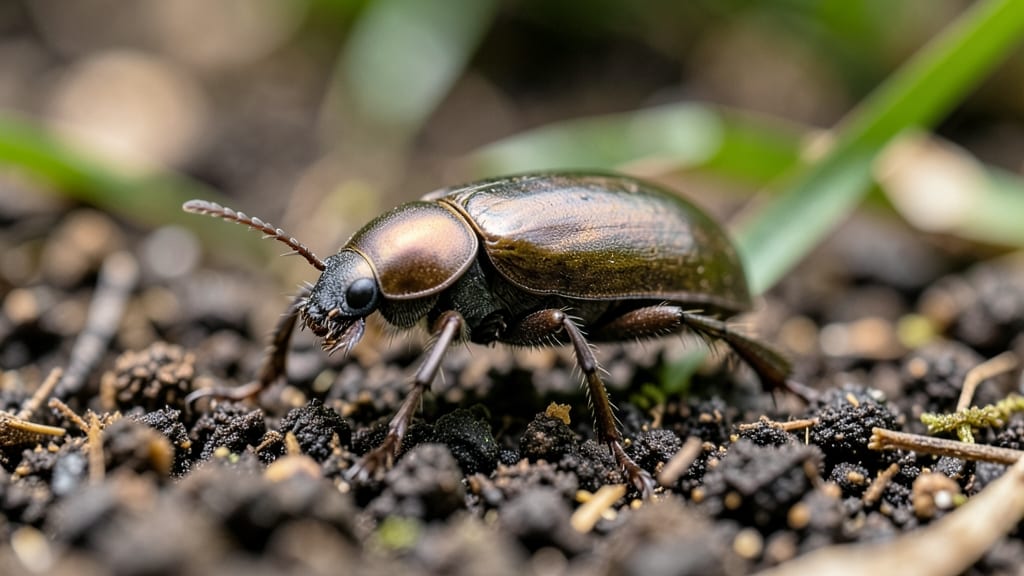
Your soil isn’t just dirt—it’s a hidden ecosystem where tiny insects either protect your plants or sabotage them. 🌱 Some, like earthworms and ground beetles, are your secret allies, while others, such as grubs and nematodes, can turn your garden into a buffet for pests.
The key? Learning to tell the good bugs from the bad and giving your soil the right balance to keep plants thriving.
Most gardeners never notice these soil insects until damage appears—yellowing leaves, wilting stems, or tunnels in roots. The truth is, 70% of soil insects are beneficial, breaking down organic matter, aerating the soil, and even preying on harmful pests.
But when the balance tips—like after heavy rain or overwatering—problem insects multiply, and your plants pay the price. The good news? You don’t need chemicals to fix it.
With the right approach, you can turn your soil into a self-regulating system where beneficial insects outnumber the troublemakers. We’ll cover how to spot signs of infestation, which insects are helping (and which aren’t), and simple, organic ways to restore harmony—no sprays required. Your garden’s health starts below the surface.
Whether you’re dealing with grubs munching on roots or ants marching through your beds, these strategies work for any soil type or climate. The goal isn’t to eliminate insects—it’s to create a thriving underground community that keeps your plants strong and your garden productive. Let’s get started.
Root Causes Of Soil Bug Booms
Understanding why garden soil insects thrive—or overrun—your garden starts with recognizing the environmental triggers that turn your soil into their perfect habitat. Here’s a breakdown of the key factors behind their presence, often tied to imbalances in your garden’s ecosystem.
Unhealthy soil is like an all-you-can-eat buffet for pests. When soil lacks organic matter, beneficial microbes, and proper nutrients, it creates a vacuum that opportunistic insects—like fungus gnats, cutworms, or wireworms—rush to fill. Here’s why:
- Lack of Organic Matter: Soil rich in decomposed plant material (humus) supports beneficial fungi and bacteria that naturally suppress pests.
When organic matter is low, pests dominate because there’s nothing to compete with them. Actionable fix: Amend soil with compost, leaf mold, or well-rotted manure to restore balance.
- Over-Fertilization with Synthetics: Excess nitrogen or synthetic fertilizers can disrupt soil microbial life, making it easier for harmful insects to thrive.
These fertilizers often create a "green wave" of soft, tender plants that attract chewing insects like slugs or beetles. Actionable fix: Switch to slow-release organic fertilizers (like bone meal or fish emulsion) and test soil pH regularly.
- Compacted or Waterlogged Soil: Poor drainage or heavy foot traffic compacts soil, reducing oxygen levels.
This stresses plants and attracts insects like grubs or root maggots that thrive in anaerobic (low-oxygen) conditions. Actionable fix: Aerate compacted soil with a garden fork or add coarse sand to improve drainage.
Planting the same crops year after year weakens your garden’s natural resistance. Monocultures offer pests a predictable food source, leading to outbreaks. Even perennials can suffer if they’re stressed or overcrowded.
- Lack of Biodiversity: Gardens with only a few plant species provide fewer habitats for beneficial predators (like ladybugs or ground beetles) that keep pests in check. Actionable fix: Practice intercropping (planting complementary species together) or succession planting to disrupt pest cycles.
- Stressed or Overcrowded Plants: Plants under stress (from drought, disease, or poor spacing) produce weaker defenses. For example, aphids are drawn to new, tender shoots, while root-feeding beetles target crowded roots. Actionable fix: Space plants properly, prune for airflow, and water consistently to reduce stress signals.
- Dead or Decaying Plant Material: Piles of leaves, stems, or diseased plants attract insects like earwigs, pill bugs, or even termites, which break down organic matter. Actionable fix: Remove debris promptly or compost it in a sealed bin to prevent infestations.
Weather patterns directly influence insect activity. Warmer temperatures, higher humidity, and erratic rainfall can create ideal conditions for soil-dwelling pests.
- Warmer Winters: Mild winters allow pests like cutworms or vine weevils to survive and reproduce earlier in the season. Actionable fix: Use row covers in early spring to block overwintering adults from laying eggs.
- Excess Moisture: Overwatering or poor drainage creates soggy soil, perfect for fungus gnats, slugs, and soil-dwelling nematodes. Actionable fix: Improve drainage with raised beds or mulch to regulate moisture.
- Drought Stress: Dry soil can force plants to seek water deeper in the soil, making them more vulnerable to root-feeding insects like grubs. Actionable fix: Mulch heavily to retain moisture and encourage shallow root systems that pests avoid.
Broad-spectrum pesticides don’t just kill pests—they also wipe out beneficial insects like ground beetles, lacewings, and nematodes that prey on soil insects. Without these natural controls, pest populations explode.
- Overuse of Insecticides: Neonicotinoids and pyrethroids can linger in soil for months, harming pollinators and predators. Actionable fix: Use targeted, organic controls like neem oil or kaolin clay to protect beneficial bugs.
- Fungicide Overapplication: Fungicides can kill mycorrhizal fungi, which help plants absorb nutrients and fend off pests. Actionable fix: Rotate fungicides or use copper-based sprays sparingly.
Even well-meaning gardening practices can inadvertently invite pests. For example, tilling too deeply or using untreated wood can create unintended insect highways.
- Excessive Tilling: Disturbs soil layers, bringing dormant pest eggs (like wireworm or grubs) to the surface where they hatch. Actionable fix: Use no-till methods or broadforking to preserve soil structure.
- Untreated Wood or Mulch: Wood chips from untreated lumber can harbor termites or carpenter ants. Actionable fix: Use certified pest-free mulch or gravel in problem areas.
- Improper Composting: Hot, anaerobic compost piles attract flies and beetles that later migrate to garden soil. Actionable fix: Turn compost regularly and keep it aerated to stay cool and dry.
Pro Tip ✨: Observe patterns—note when and where pests appear. If grubs show up after heavy rain, focus on drainage. If aphids follow new plantings, prioritize companion planting. Every garden’s pest profile is unique!
Natural Ways to Outsmart Soil Pests
Dealing with unwanted soil insects doesn’t have to mean reaching for harsh chemicals. With the right strategies, you can restore balance to your garden naturally—while keeping your plants thriving.
Below, we’ve mapped out practical solutions based on the most common causes of soil pest problems, from overwatering to poor soil health. Each fix is designed to be easy to implement, whether you’re a seasoned gardener or just starting out.
If your soil is soggy or compacted, pests like fungus gnats, slugs, and wireworms love the damp, anaerobic conditions. Here’s how to dry things out and deter them:
- 🔪 Improve drainage: Amend your soil with coarse sand, perlite, or compost to create air pockets. For heavy clay soil, mix in 2-3 inches of organic matter (like leaf mold or well-rotted manure) per square foot.
- 👨🍳 Build raised beds: If drainage is chronically poor, consider raised beds filled with a 50/50 mix of topsoil and compost. This lifts roots above waterlogged zones.
- 🌿 Use mulch strategically: Apply a 2-3 inch layer of straw or wood chips around plants to regulate moisture and prevent soil crusting. Avoid thick mulch near stems to avoid rot.
- ⏰ Water wisely: Switch to drip irrigation or soaker hoses to deliver water directly to roots, reducing surface moisture where pests breed.
💡 Prevention tip: Test your soil’s drainage by digging a 12-inch hole, filling it with water, and timing how long it takes to drain. If it’s slower than 4 hours, your soil needs amending.
When soil lacks organic matter, pests like cutworms and grubs seek out weak plants. Boost fertility with these simple steps:
- 🌱 Add compost: Spread a 1-2 inch layer of compost over the soil surface and gently fork it in. Aim for 10% organic matter in your soil mix for optimal health.
- 🥗 Use worm castings: Mix in 1 cup of worm castings per square foot to improve soil structure and provide slow-release nutrients. Pests dislike the competitive microbial activity.
- 🍎 Plant cover crops: Grow clover, buckwheat, or rye in the off-season to add nitrogen and organic material when tilled under.
- 🔥 Avoid synthetic fertilizers: Overuse of chemical fertilizers can disrupt soil ecosystems. Opt for balanced organic fertilizers (like fish emulsion or bone meal) instead.
💡 Prevention tip: Conduct a soil test every 2-3 years to monitor pH and nutrient levels. Most garden centers offer affordable kits, or send a sample to a local extension service.
If pests are winning because natural predators are missing, invite helpful insects to your garden with these tactics:
- 🐛 Create habitat: Leave patches of bare soil, leaf litter, or logs in shady areas to attract ground beetles, spiders, and predatory mites—all of which eat grubs and larvae.
- 🌿 Plant pest magnets: Grow dill, fennel, or yarrow near vulnerable plants to attract parasitic wasps and ladybugs, which devour soil pests like aphids and whiteflies.
- 💧 Provide water sources: Place shallow dishes of water with pebbles (to prevent drowning) near planting beds. Beneficial insects need hydration too!
- ✨ Avoid pesticides: Even "targeted" sprays can harm predator populations. If you must treat, use neem oil or insecticidal soap sparingly and in the evening to minimize collateral damage.
💡 Prevention tip: Introduce beneficial nematodes (like Steinernema carpocapsae) to your soil in early spring or fall. These microscopic worms seek out and kill grubs, cutworms, and other larvae without harming plants.
For quick wins, combine these hands-on methods to reduce pest populations fast:
- 🛡️ Use row covers: Protect seedlings with fine mesh fabric to block flying pests like fungus gnats and whiteflies. Secure edges with soil or bricks.
- 🕳️ Set up beer traps: Bury a shallow container filled with beer near problem areas. Slugs and pill bugs will crawl in and drown—replace every 2-3 days for best results.
- 🪒 Handpick pests: Check soil and plant bases daily for grubs, cutworms, or wireworms. Drop them into a bucket of soapy water to eliminate them.
- 🌡️ Solarize the soil: In hot climates, cover moist soil with clear plastic for 4-6 weeks to bake out pests. This works best in late spring or summer.
💡 Prevention tip: Rotate crops annually to disrupt pest life cycles. Many soil insects target specific plant families (e.g., cabbage worms love brassicas), so switching up your layout keeps them guessing.
With these targeted fixes, you’ll not only reduce soil pest problems but also create a healthier, more resilient garden ecosystem. The key is consistency—combine prevention with intervention for long-term success! 🌱✨
Frequently asked questions
How can I tell if my garden soil has harmful insects?
Look for chewed roots, wilting plants, or tunnels in the soil. Grubs leave behind irregular holes in roots, while wireworms create small, clean tunnels. Fungus gnats lay eggs in moist soil, and you’ll see tiny black flies hovering near plants. Check soil around struggling plants at dusk when pests are most active.
Are earthworms good or bad for garden soil?
Earthworms are 100% beneficial! They aerate soil, break down organic matter, and create nutrient-rich castings. A healthy garden should have 5-10 earthworms per square foot. If you see fewer, improve soil health with compost or avoid tilling, which harms their tunnels.
What’s the fastest way to get rid of grubs in my lawn?
For immediate results, handpick grubs at night (they’re sluggish then) and drop them in soapy water. Apply beneficial nematodes (like Heterorhabditis bacteriophora) to kill larvae naturally. For prevention, encourage birds (their natural predators) with shallow water dishes.
Can I use coffee grounds to deter soil insects?
Coffee grounds help repel slugs and ants when sprinkled around plant bases, but they won’t stop grubs or nematodes. For best results, mix them into compost first (they acidify soil) or use as a mulch topper. Avoid overapplying—too much can harm beneficial microbes.
Why do I keep getting fungus gnats even after treating them?
Fungus gnats thrive in overly moist, organic-rich soil. Let the top 1 inch of soil dry out between waterings and reduce compost applications. Yellow sticky traps also help monitor adult populations. If using nematodes, apply them to damp (not soggy) soil for best effectiveness.