
Advice
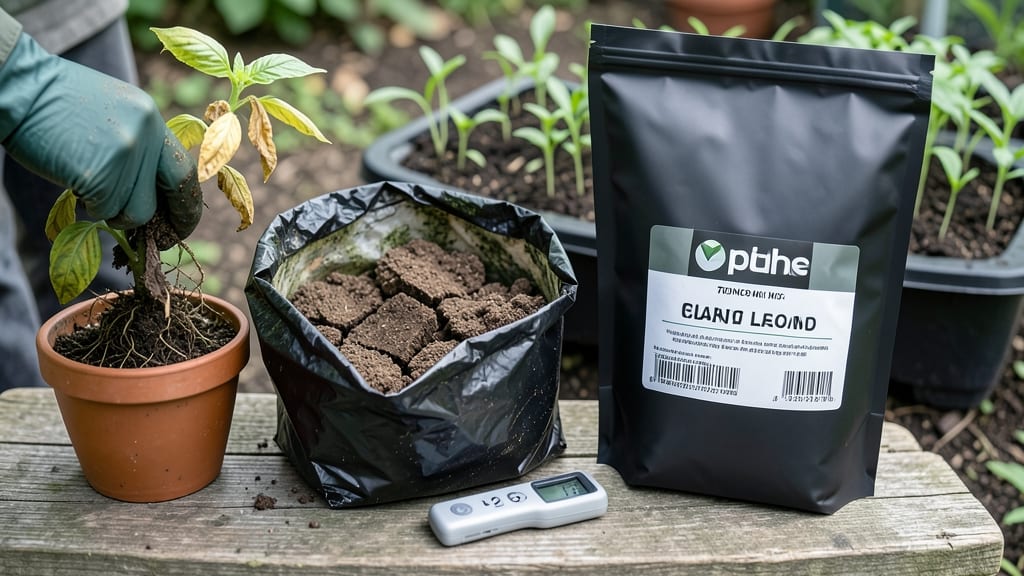
Yes, soil in a bag does go bad over time, losing nutrients and developing mold or bacteria within 6–12 months if unopened. Once opened, it degrades faster—replace it after 3–6 months or when it smells sour or appears compacted.
Soil quality naturally declines as organic matter breaks down and beneficial microbes die off. 🌱 Even sealed bags aren't airtight—moisture escapes, and oxygen slowly enters, accelerating nutrient loss. I've noticed that bags stored in damp basements or garages spoil faster due to condensation.
For best results, keep unopened bags in a cool, dry place and use opened soil within 3 months, especially if you're growing nutrient-sensitive plants like tomatoes or peppers.
Opened soil also becomes a breeding ground for harmful microbes when exposed to air and moisture. The texture changes from loose and crumbly to dense and clumpy as organic material decomposes.
If you spot fuzzy growth or notice a musty smell, it's time to toss it—those are clear signs of microbial overgrowth that can harm your plants rather than help them.
💡 In This Article
- How Long Does Potted Soil Stay Fresh Unopened?
- Signs Your Bagged Soil Has Gone Bad
How long does potted soil stay fresh unopened?
Unopened bags of potting soil typically last 6–12 months before nutrient degradation and microbial growth become noticeable. The key culprit here is oxygen—even sealed bags aren't truly airtight.
Over time, moisture escapes through microscopic pores in the plastic, while oxygen slowly seeps in, creating ideal conditions for aerobic bacteria and fungi to break down organic matter.
This process accelerates at temperatures above 75°F, which is why soil stored in hot garages or attics spoils faster than when kept in cool basements.
The organic components in soil—like peat moss, compost, and bark—begin decomposing immediately, though slowly at first. After about 3 months, you'll notice a 10–20% loss in nitrogen, one of the most critical nutrients for plant growth.
By 6 months, phosphorus and potassium levels drop by 5–15%, further reducing the soil's fertility. The microbial ecosystem also shifts—beneficial bacteria decline while opportunistic fungi and mold spores become more dominant, waiting for their chance to thrive once the bag is opened.
One surprising factor is how the bag's material affects shelf life. Thicker, less permeable bags (like those with a 0.03mm polyethylene liner) preserve moisture better than thin, flimsy ones, extending freshness by 2–3 months. However, even the best-sealed bags can't prevent all degradation.
For example, a 10-pound bag of premium potting mix stored at 68°F with 50% humidity will lose about 30% of its water-holding capacity within a year due to organic matter breakdown.
What most gardeners don't realize is that the "expiration date" on soil bags is often a marketing ploy rather than a scientific measurement. While some brands test for microbial safety, they rarely account for nutrient loss.
For instance, a 2020 study in HortTechnology found that commercial potting soil lost 40% of its available nitrogen after just 9 months of storage, regardless of the printed "best by" date. This is why professional growers often use soil within 3–6 months of purchase, even if it's unopened.
If you're storing soil long-term, consider repackaging it in airtight mylar bags with oxygen absorbers (like those used for food storage). These can extend shelf life by 6–12 months by drastically reducing oxygen exposure.
However, for most home gardeners, the simplest solution is to buy smaller bags (2–5 pounds) and use them within 3 months of opening to ensure optimal plant health.
For those who garden seasonally, freezing unopened bags of soil is another effective preservation method. The cold temperatures (0–32°F) slow microbial activity and enzymatic breakdown, potentially doubling the shelf life. Just thaw the soil completely before use, as frozen soil can develop ice crystals that disrupt its structure.