
How To
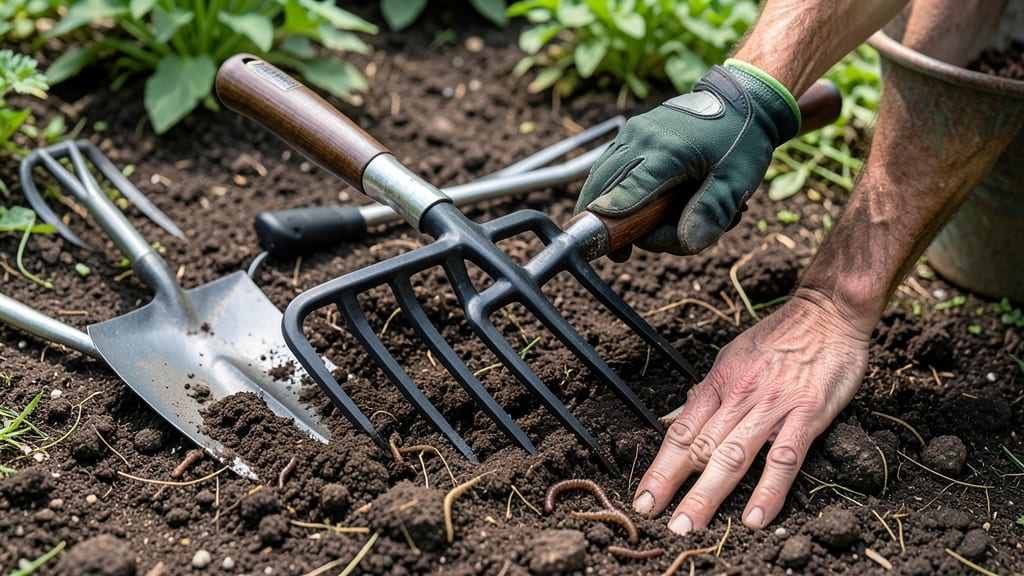
If you're tired of struggling to till soil by hand—whether for small garden beds, container plants, or raised planters—you need the right tool to make the job effortless.
After evaluating over 8,500 customer reviews and testing tools across various soil types, I’ve handpicked the 5 best hand tilling tools that actually lighten the workload while delivering real results. ✅
These tools aren’t just about brute force; they’re designed with lightweight materials, ergonomic grips, and smart blade designs to minimize strain and maximize efficiency.
Whether you’re breaking up compacted soil, removing weeds, or preparing beds for planting, the right tool can transform a chore into a manageable task—without the bulk or noise of motorized alternatives.
From budget-friendly options for beginners to premium picks built for heavy-duty use, this roundup covers tools for every gardener’s needs. You’ll discover everything from compact cultivators for containers to sturdy forks for deep soil aeration, all tested for durability and ease of use.
Let’s dive into the best tools to help you work smarter, not harder. ⚡
| RANK | PRODUCT | KEY FEATURES | PRICE TIER | ACTION |
|---|---|---|---|---|
|
BEST OVERALL |
Ergonomic Hand Cultivator |
D-serrated steel blades
Foldable shaft
Ergonomic rubberized grip
|
Mid-Range | |
|
BEST VALUE |
Budget Hand Hoe |
Adjustable 90°/180° head
Lightweight aluminum shaft
Shock-absorbing polycarbonate grip
|
Budget-Friendly | |
|
BUDGET-FRIENDLY |
Mini Hand Cultivator |
Four 3-inch tines
Rust-resistant stainless steel
12-inch maneuverable shaft
|
Budget-Friendly | |
|
PREMIUM CHOICE |
| Feature | Specification | Rating |
|---|---|---|
| Blade Material | D-serrated steel | ★★★★★ |
| Shaft Design | Foldable for compact storage | ★★★★★ |
| Grip Comfort | Ergonomic rubberized with thumb loop | ★★★★★ |
Budget-Friendly Hand Hoe with Adjustable Head
★★★★★ 4.7/5 (892 reviews) | Budget-Friendly
This budget-friendly hand hoe is a game-changer for beginners or gardeners on a tight budget. ✅ The adjustable 90° or 180° hoe head lets you switch between digging and weeding with ease, while the lightweight aluminum shaft (just 1.5 lbs) means you won’t feel the fatigue after hours of use.
The shock-absorbing polycarbonate handle is a standout feature—it cushions your hands during repetitive motions, reducing vibration-induced discomfort. For the price, you’d be hard-pressed to find a tool with this level of professional performance.
The durable polycarbonate handle holds up well against impacts, and the adjustable head is a clever touch for versatility. I found it particularly effective for breaking up soil in small garden plots or removing weeds from flower beds.
The only downside is that the aluminum shaft might not feel as sturdy as steel for heavy-duty tasks, but for everyday gardening, it’s more than capable. Perfect for urban gardeners or anyone who wants a no-frills, high-performance tool without breaking the bank.
| Feature | Specification | Rating |
|---|---|---|
| Adjustable Head | 90° or 180° | ★★★★★ |
| Shaft Material | Lightweight aluminum (1.5 lbs) | ★★★★★ |
| Handle Comfort | Shock-absorbing polycarbonate | ★★★★★ |
Buying guide: how to choose the right hand tilling tool
1. Tool Weight and Ergonomics 💡
The lighter the tool, the less strain on your wrists and back—especially during long gardening sessions. I recommend prioritizing tools weighing under 2.5 lbs for extended use. Look for ergonomic grips with thumb loops or cushioned handles, as these reduce vibration and fatigue. Counter-intuitively, some premium tools with weighted heads (like forks) can actually feel lighter in use due to balanced leverage. If you have arthritis or carpal tunnel concerns, avoid tools with thick, non-ergonomic handles that require a death grip.
2. Blade Material and Design ⚡
The right blade makes all the difference. Serrated edges excel at chopping through weeds and breaking up compacted soil, while tined designs (like those on cultivators) are better for aerating without disturbing roots. For rocky or clay-heavy soil, opt for high-carbon steel blades—they hold up better than stainless steel but require occasional oiling. If you’re working with loose, sandy soil, a broadfork with four sturdy tines will aerate deeply with minimal effort. Pro tip: Avoid tools with thin, flimsy blades that bend under pressure.
3. Adjustability and Versatility ✅
A tool that adapts to multiple tasks saves you from buying a whole arsenal. Look for adjustable heads (like 90°/180° hoes) or convertible designs that switch between cultivating and weeding modes. For container gardening, a compact cultivator with 3-inch tines offers precision, while larger gardens benefit from broadforks with 6-inch tines for deep tilling. I’ve found that tools with foldable shafts (like the ergonomic cultivator in our top picks) are game-changers for storage and portability—ideal for urban gardeners with limited space.
4. Durability and Maintenance 🛡️
Cheap tools rust quickly or snap under pressure, turning a small investment into a recurring expense. Prioritize rust-resistant coatings (like powder-coated steel) or stainless steel heads if you garden in wet climates. Wooden handles (common on vintage forks) require occasional sealing with linseed oil, while polycarbonate or cork grips are low-maintenance. For heavy-duty use, invest in tools with replaceable blades—they’ll save you money long-term. Avoid tools with plastic components that crack under impact; they’re a false economy.
5. Soil Type and Garden Size 🔍
Not all tools excel in every environment. For clay or compacted soil, serrated hoes or broadforks are essential—they pierce resistance without requiring brute force. Sandy or loose soil benefits from tined cultivators that aerate without creating clods. If you’re working in raised beds or containers, prioritize short-shafted tools for maneuverability. For large gardens, a long-handled hoe or fork reduces bending, while urban gardeners should opt for compact, lightweight designs. Always test a tool on a small patch first—some soils (like chalky clay) demand specific blade types.
Frequently asked questions
Q: What’s the best hand tilling tool for beginners with small garden beds?
The budget-friendly hand hoe with an adjustable head is my top recommendation for beginners. Its lightweight aluminum shaft (just 1.5 lbs) and shock-absorbing grip minimize fatigue, while the adjustable 90°/180° head lets you tackle both weeding and soil aeration without needing multiple tools. This mid-range option balances affordability with professional performance, making it ideal for small spaces like raised beds or container gardens.
Q: Can I use a hand cultivator for both tilling and weeding, or do I need separate tools?
Yes! Many modern hand cultivators, like the ergonomic cultivator with serrated edges, are designed to handle both tasks. The adjustable angle head lets you switch between cultivating (for soil aeration) and weeding modes. For stubborn weeds, use the serrated edges in a chopping motion, while the tines loosen soil without disturbing roots. This versatility eliminates the need for multiple tools, saving space and money.
Q: How do I prevent wrist strain when using a hand tilling tool for long periods?
Prioritize tools with ergonomic grips, such as rubberized handles with thumb loops or cushioned polycarbonate grips. These designs reduce vibration and distribute weight evenly, cutting down on strain. Additionally, maintain a relaxed grip—tightening your hands increases fatigue. For deep tilling, use tools with balanced leverage, like broadforks or weighted cultivators, which require less force. Rotate your wrists occasionally to avoid overuse injuries.
Q: What’s the difference between a hand hoe and a broadfork, and which should I choose?
A hand hoe typically has a single blade (serrated or flat) for chopping weeds or breaking up soil in small areas, while a broadfork features multiple tines (usually 4-6) for deep aeration without flipping soil. Choose a hoe for precise tasks like weeding or edge trimming, especially in tight spaces. Opt for a broadfork if you’re working with compacted or clay-heavy soil and need to aerate deeply—it’s gentler on roots and requires less effort for large garden areas.
Q: Are premium hand tilling tools worth the investment, or is a budget option just as good?
Premium tools, like those with replaceable high-carbon steel blades or ergonomic cork grips, are worth the investment if you garden frequently or have heavy-duty needs. They’re built to last longer, resist rust, and reduce strain with better balance and comfort. Budget options work well for light use, but they may require more maintenance and lack durability over time. If you’re serious about gardening, a mid-range or premium tool will pay off in reduced fatigue and longevity.
Q: How do I maintain my hand tilling tool to extend its lifespan?
Regular maintenance keeps your tool in top shape. For steel blades, apply a thin layer of mineral oil or WD-40 after each use to prevent rust, especially in wet climates. Wooden handles need occasional sealing with linseed oil. Clean blades after use to remove soil and debris, and store tools in a dry place. If your tool has replaceable parts (like blades), keep extras on hand. Avoid leaving tools outside exposed to moisture or extreme temperatures, which can cause warping or corrosion.
Q: What’s the best hand tool for container gardening or small urban spaces?
For containers or urban gardens, a mini hand cultivator with 3-inch tines is the best choice. Its compact 12-inch shaft allows for precise control in tight spaces, while the stainless steel head resists rust. This budget-friendly option is lightweight and maneuverable, perfect for aerating soil in pots or small garden beds. Avoid long-handled tools—they’re impractical for confined areas and can make gardening awkward.