I’ve spent my life surrounded by dirt and plants—first in my grandfather’s overgrown backyard in Michigan, then in the community garden where I volunteered as a teen. There’s something about watching seeds turn into food or flowers that still feels like magic to me. This site is where I share the practical wisdom I’ve picked up over the years, from saving wilting herbs to turning a shady corner into a thriving space. My goal? To help anyone with a patch of soil and a little curiosity grow something beautiful—or delicious.
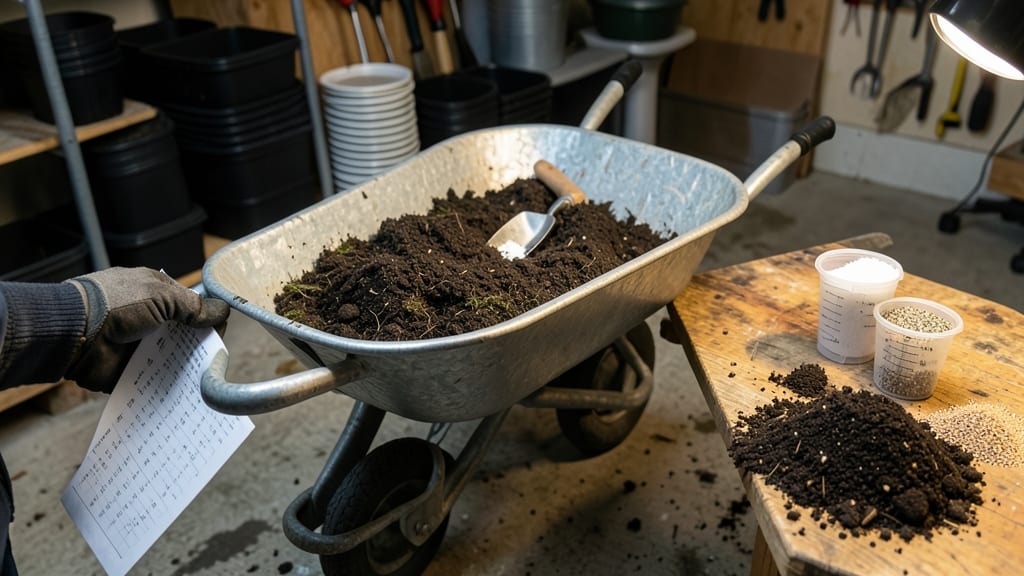
Your potting soil mixture ratio is the secret weapon behind every thriving houseplant or container garden— and science proves the right proportions make all the difference . 🌱 I learned this the hard way when my…
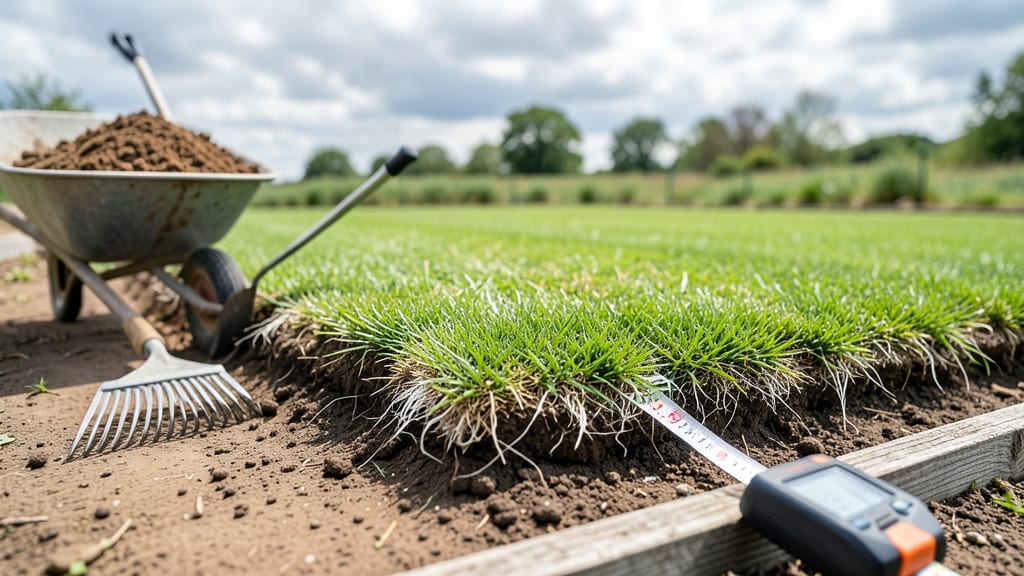
💥 Quick Answer To install sod properly, spread 4 to 6 inches of topsoil over your lawn area to create the ideal growing environment for deep root penetration and moisture control. Getting the topsoil depth right is the…
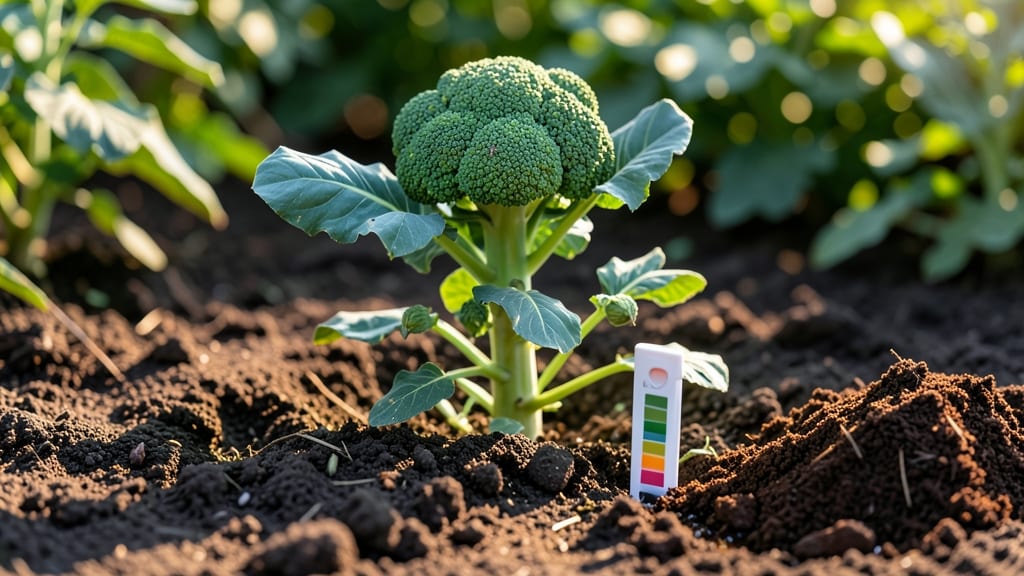
💥 Quick Answer For broccoli, you need soil that drains well and stays rich in nutrients, with a pH between 6.0 and 7.0. A loamy texture mixed with compost or aged manure helps develop strong heads, while heavy clay or…
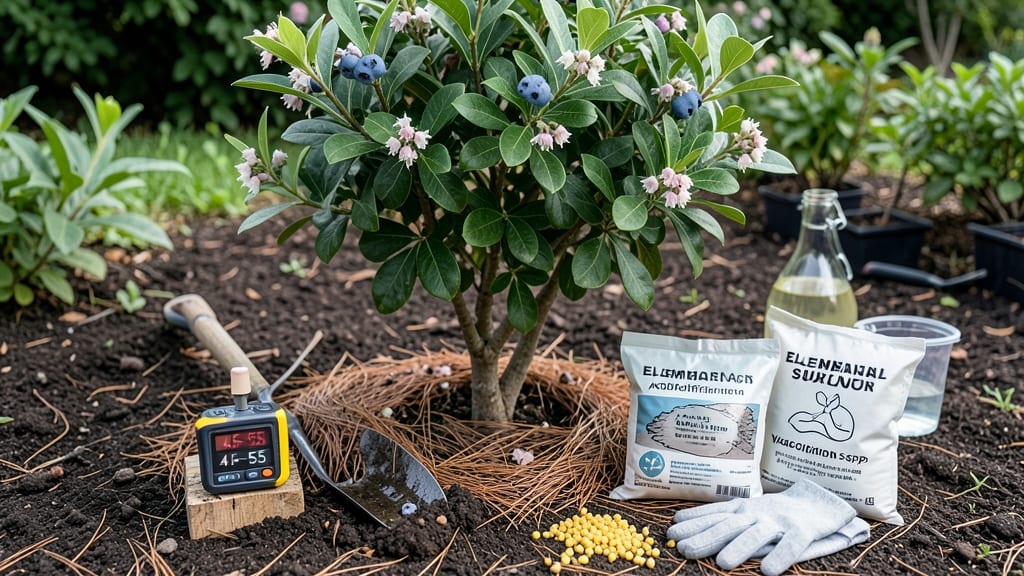
Lowering your soil's pH isn't as tricky as it sounds—especially when you're aiming for that perfect acidic environment azaleas and blueberries crave. 🌿 The sulfur and peat moss method gives you predictable, long-term…
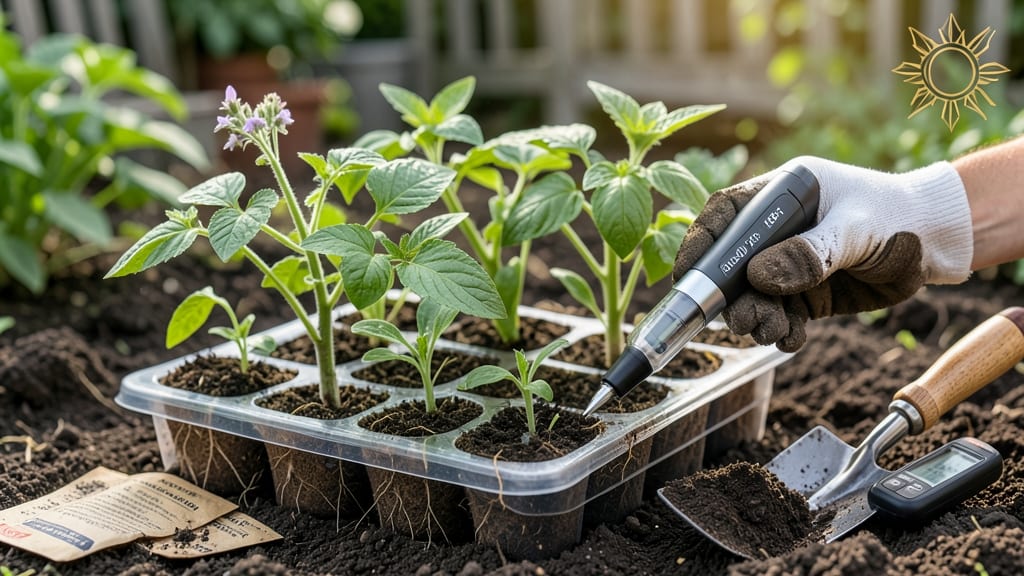
💥 Quick Answer Soil temperature for planting determines when seeds germinate and roots establish, with ideal ranges between 45°F to 85°F depending on your crop type. Cool-season vegetables like lettuce and peas prefer…
The soil needed for a raised bed comes down to three layers that work together for fast root growth and perfect drainage. I learned this the hard way—my first raised bed sat soggy for weeks after rain, and my lettuce…
💥 Quick Answer Loam soil texture combines equal parts sand, silt, and clay for ideal drainage, aeration, and nutrient retention, making it the gold standard for plant growth and root development in gardens and farmland…
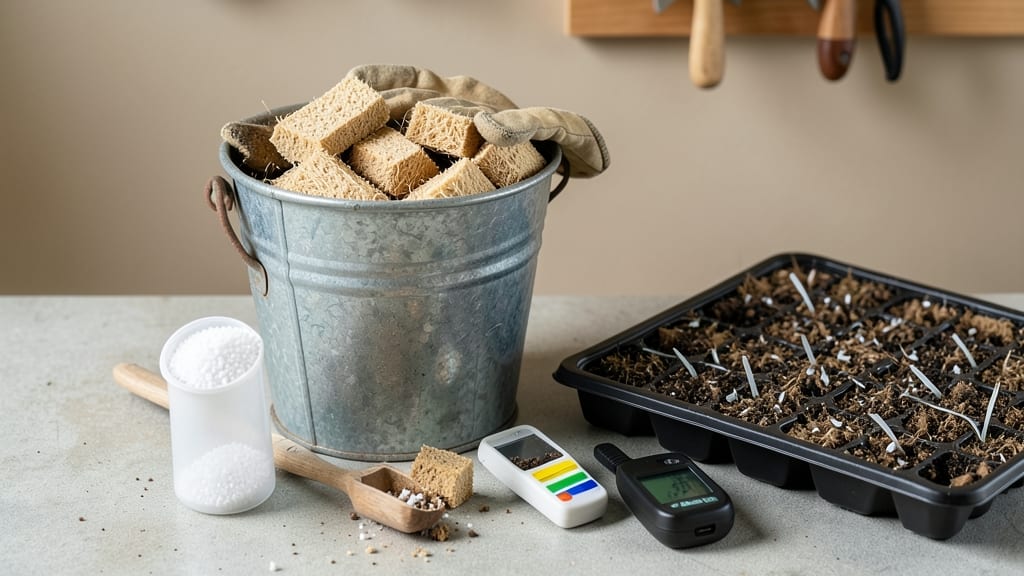
If your seedlings keep wilting from soggy mixes or rotting before sprouting, a coconut coir soil mix could be the game-changer you’ve been missing. 🌱 Unlike peat-based blends that compact or harbor fungi, coir offers a…
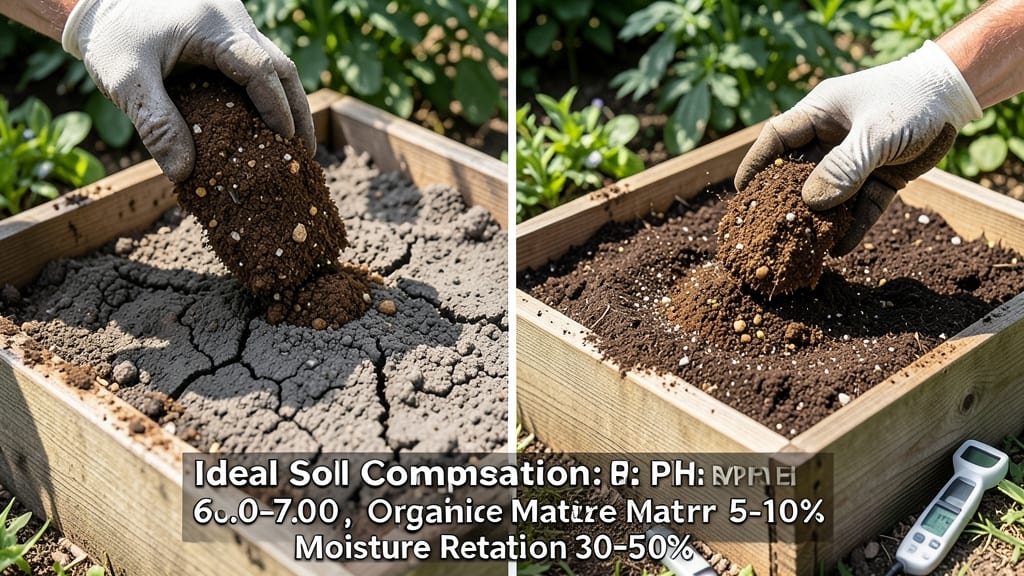
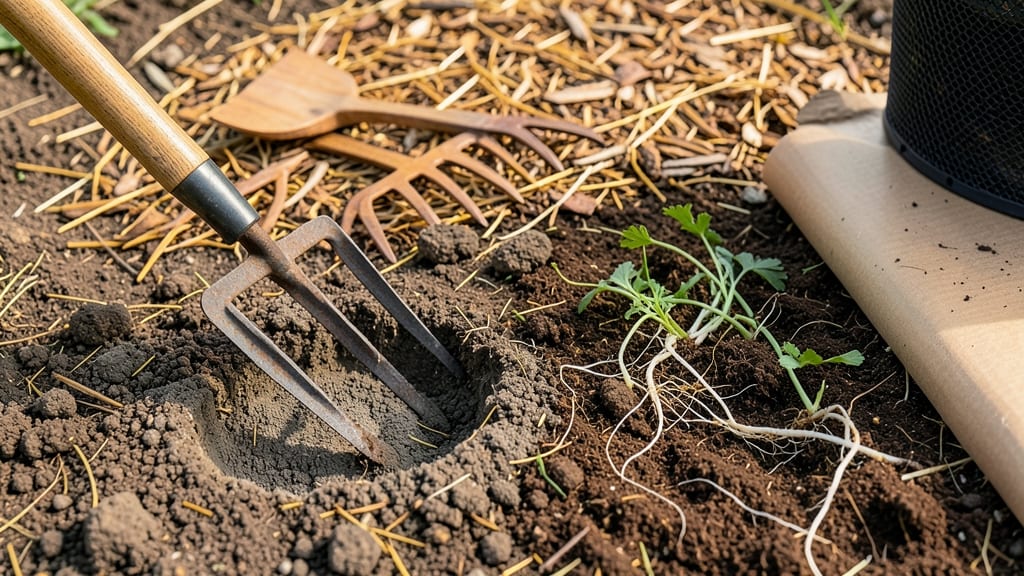
Your garden's struggling because the soil is too hard—roots can't breathe, water pools, and plants fight just to grow. 🌱 Reducing soil compaction doesn't require heavy machinery; it's about working with nature to loosen…
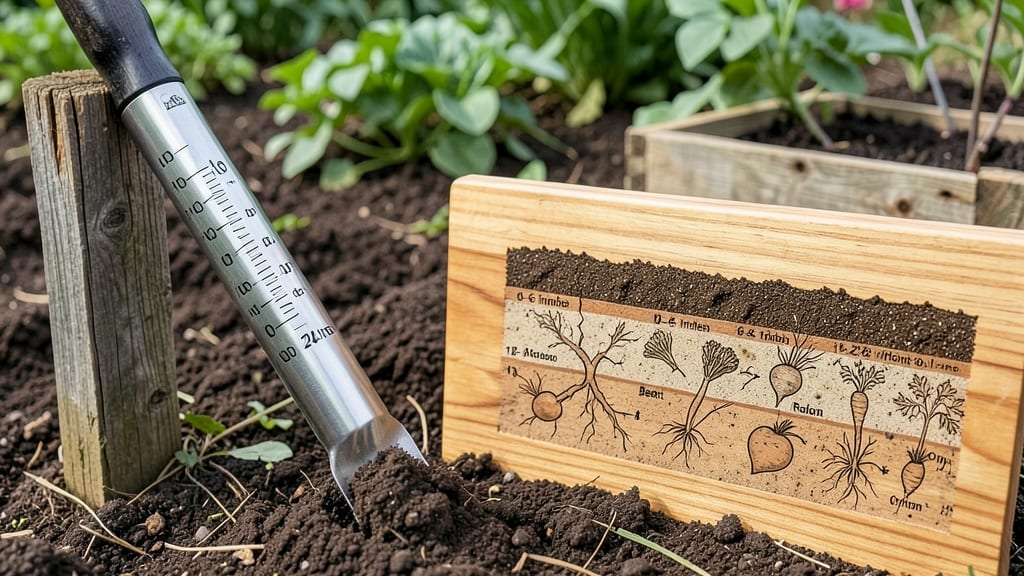
💥 Quick Answer A soil depth chart for vegetables shows that root type dictates space needs: leafy greens like spinach thrive in just 6-12 inches, while deep-rooted vegetables such as potatoes or parsnips demand 24-36…