
Vegetables
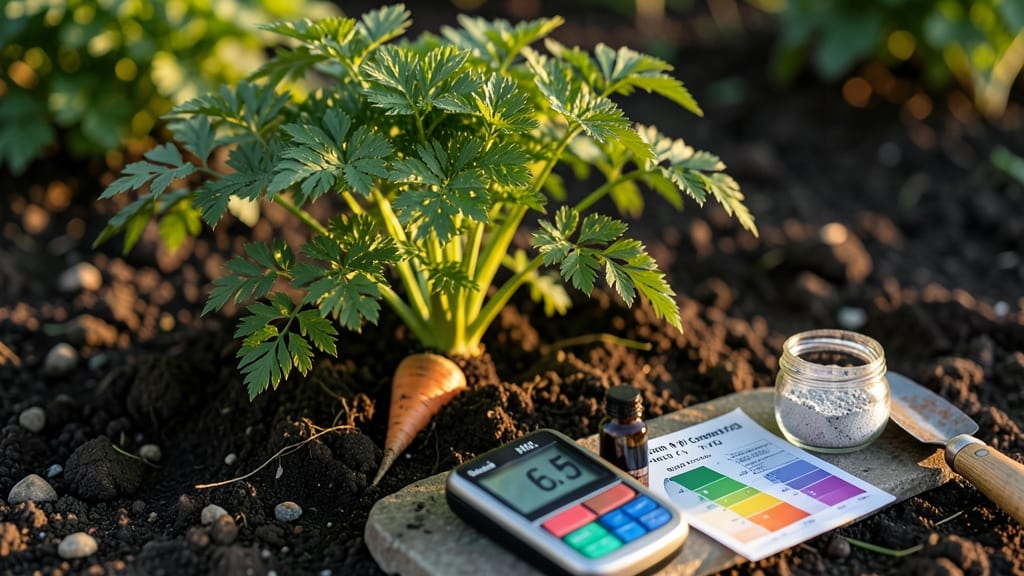
Growing perfect carrots depends on the right soil pH for carrots, and most gardeners miss the mark without even realizing it.
Struggling with forked, misshapen carrots? The secret lies in your soil’s pH balance—getting it wrong can ruin your harvest before the roots even form. 🥕
Carrots thrive when soil pH sits between 6.0 and 6.8, a range that unlocks the nutrients they need to grow straight and sweet. Too acidic or alkaline, and you’ll end up with stunted, twisted roots instead of the crisp harvest you planted for.
In this guide, I’ll walk you through how to test your soil, make simple adjustments, and keep your carrots growing like they’re in a grocery store display—no forks or bends in sight.
The ideal soil pH range for growing perfect carrots
If you've ever pulled a carrot from your garden only to find it forked or stunted, your soil pH might be the culprit. Carrots are extremely sensitive to soil acidity, and maintaining the right balance is key to growing straight, sweet roots.
The ideal pH range for carrots is between 6.0 and 6.8, which ensures they can access all the essential nutrients they need to develop properly. When pH drifts outside this range, nutrient uptake suffers, leading to poor growth and those dreaded forked roots.
Carrots need phosphorus, potassium, and calcium to form strong, uniform roots. At a pH of 6.0-6.8, these nutrients are readily available. If your soil is too acidic (below 6.0), phosphorus becomes locked away, while alkaline soil (above 6.8) reduces calcium and magnesium availability.
Both scenarios can stunt root growth or cause forked, misshapen carrots. Understanding this balance is the first step to a bountiful harvest.
Why does pH matter so much? The answer lies in the soil's chemistry. Carrots have a delicate root system that grows downward, and any imbalance in nutrients can cause them to split or grow unevenly. For example, if your soil is too acidic, the carrot may struggle to absorb enough phosphorus, leading to weak root structures. Conversely, alkaline soil can cause calcium deficiencies, making the roots brittle and prone to forking.
To ensure your carrots thrive, start by testing your soil's pH. You can use a DIY soil test kit, which costs just a few dollars and gives you instant results.
Simply collect soil samples from your garden bed, mix them with distilled water, and compare the color to the chart provided. If your pH is outside the 6.0-6.8 range, don't worry—it's easy to adjust with the right amendments.
When your soil's pH is too acidic (below 6.0), you'll need to raise it using lime or wood ash. These amendments add calcium and magnesium, which neutralize acidity. For alkaline soil (above 6.8), use sulfur or peat moss to lower the pH gradually.
Remember, changes take time—don't rush the process. Aim to adjust your soil's pH 3-4 months before planting to give the amendments time to work.
Another critical factor is soil texture. Carrots need loose, well-draining soil to grow straight. If your soil is compacted or rocky, roots will fork or split, regardless of pH. Before planting, loosen the soil to a depth of 12 inches and remove any stones or debris.
This gives the roots room to grow downward without obstruction, even if the pH is perfect.
If you're growing carrots in containers or raised beds, pay extra attention to your soil mix. Commercial potting soil often has a pH of 6.0-7.0, which is close to ideal, but it can shift over time.
Mix in compost or aged manure to improve nutrient availability and stability. Regularly test your soil—especially in containers—to ensure the pH stays within the 6.0-6.8 range throughout the growing season.
One of the most common signs of pH-related stress in carrots is forking. This happens when roots split or grow in multiple directions due to uneven nutrient uptake. If you notice this, check your soil's pH immediately.
Forking can also occur if the soil is too compacted or contains rocks, so always prepare your bed carefully. A well-balanced pH combined with loose soil is your best defense against misshapen carrots.
Finally, don't forget that organic matter plays a huge role in maintaining stable pH levels. Adding compost or well-rotted manure not only improves soil structure but also buffers pH fluctuations. Aim to incorporate 2-3 inches of compost into your garden bed before planting.
This will provide a steady supply of nutrients and help keep your soil's pH in the ideal range for carrots.
With the right soil pH and careful preparation, you'll be harvesting straight, sweet carrots in no time. Start testing your soil today, and give your carrots the perfect growing conditions they deserve! 🥕
How to adjust soil pH for carrots (quick fixes & long-term solutions)
Carrots are finicky about soil pH, and even small deviations can lead to forked roots or stunted growth. If your pH test shows numbers outside the 6.0-6.8 range, don’t panic—simple adjustments can save your harvest.
I’ll walk you through organic methods to raise or lower pH, plus when to avoid harsh chemicals for edible crops.
First, test your soil before making changes. A DIY pH kit (costing under $10) or a digital meter will give you accurate readings. For quick results, I recommend the Luster Leaf Rapitest—it’s reliable and easy to use.
If your soil is too acidic (pH < 6.0), you’ll need to raise it; if it’s too alkaline (pH > 6.8), you’ll need to lower it.
Raising pH (For Acidic Soil)
- Quick results (weeks vs. months)
- Improves nutrient availability
- Safe for edible crops
- Overapplication can harm plants
- Requires re-testing after 2-3 weeks
Lowering pH (For Alkaline Soil)
- Slow, controlled acidification
- Improves micronutrient uptake
- Organic options available
- Slower process (months)
- Requires consistent monitoring
- Can acidify soil too much
For long-term solutions, focus on organic matter. Compost, well-rotted manure, or leaf mold gradually improve soil structure and buffer pH swings. I’ve found that adding 2-3 inches of compost before planting helps maintain the ideal 6.0-6.8 range with minimal effort.
Test your soil again in 4-6 weeks to check progress.
If you’re dealing with compacted soil (a common issue for carrots), combine pH adjustments with deep tilling or garden fork aeration. Loose soil prevents forking and allows roots to grow straight. For containers, use a 50/50 mix of potting soil and compost to ensure proper drainage and pH balance.
Remember, patience is key. Soil pH changes aren’t instant—give amendments 4-6 weeks to take effect before replanting. And always re-test after adjustments to avoid overcorrecting. With the right balance, you’ll be harvesting straight, sweet carrots in no time!